Ignoring car overheating signs while driving can quickly turn a simple issue into a stressful roadside emergency and lead to serious engine damage if not handled properly. From rising temperature gauges and steam coming from the hood to strange smells and sudden power loss, recognizing the warning signs early and knowing what you should — and should never — do during an overheating situation can help you avoid expensive repair costs and major mechanical problems.
Top overheating engine symptoms You Should Never Ignore
The most critical warning signs that indicate your engine is running dangerously hot are:
1. car temperature gauge high or in the Red Zone
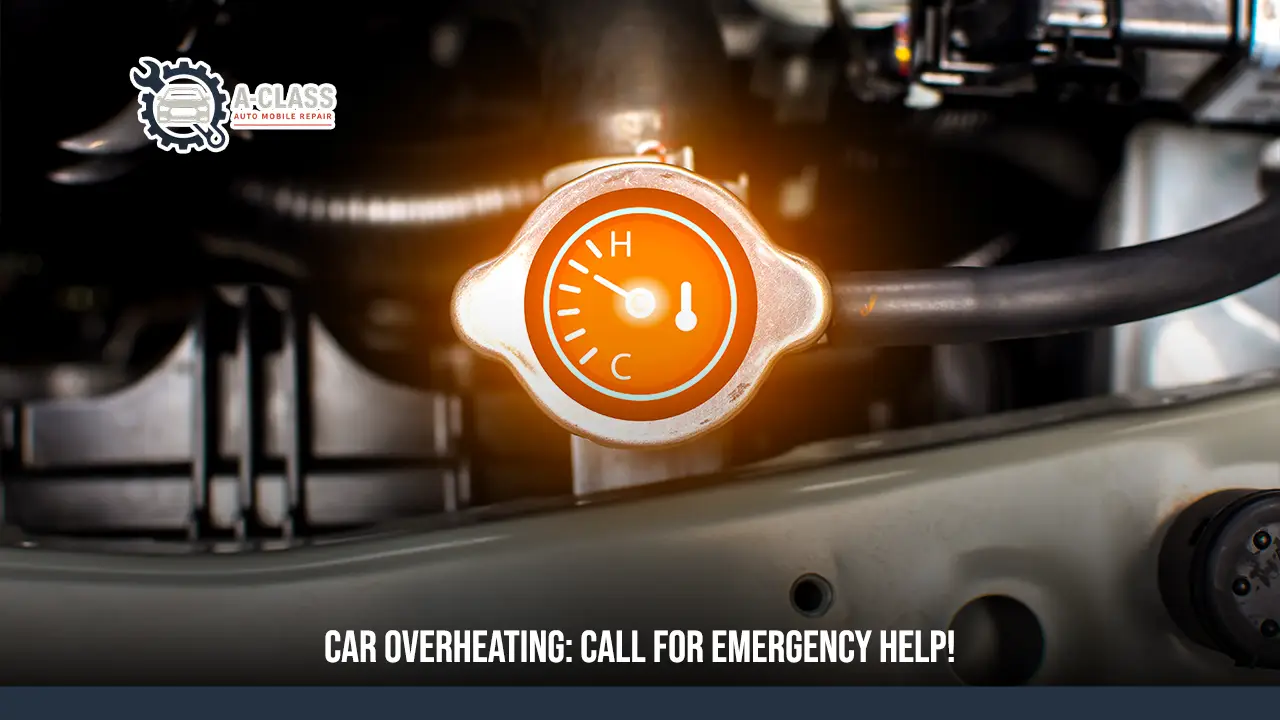
The dashboard needle moving past the middle and into the red area is your primary defense line, signaling that the cooling system has completely failed to regulate the internal climate.
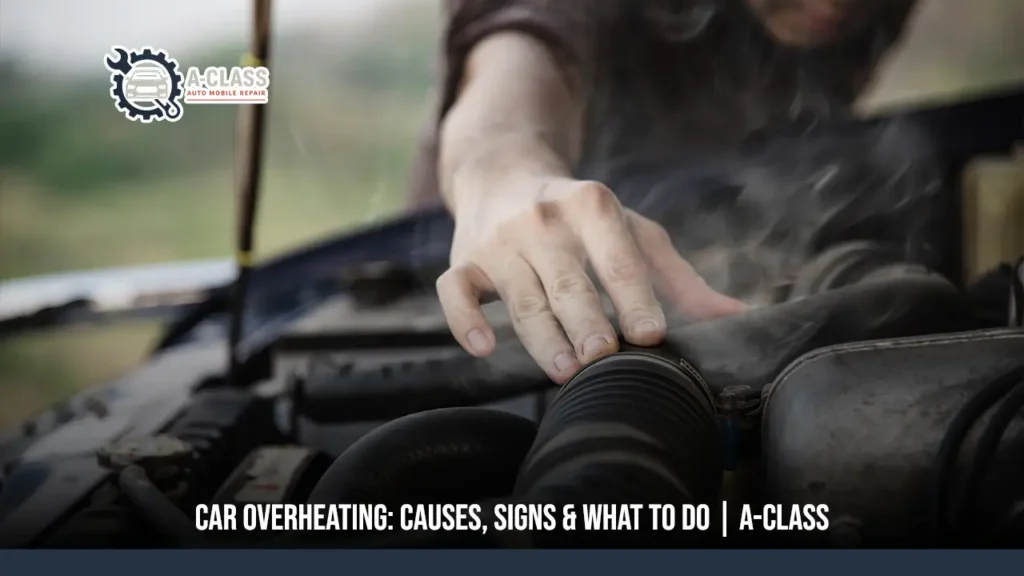
2. Steam or Smoke Coming from the Hood
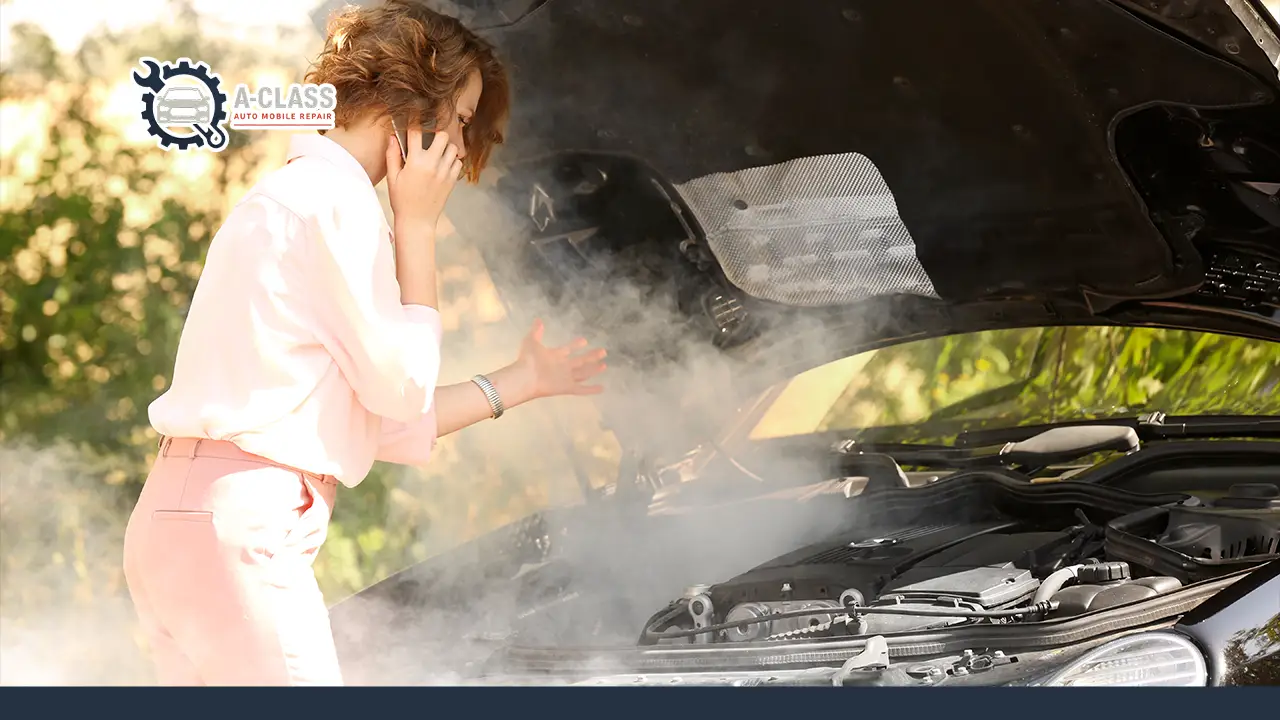
Seeing thick white clouds escaping from the front grille means pressurized fluid is boiling over rapidly, which usually indicates a popped hose or a severely compromised radiator.
3. Loss of Engine Power or Sudden Limp Mode
The vehicle’s computer intentionally restricts acceleration to protect the motor from melting itself down, resulting in a sudden, massive, and very noticeable drop in driving performance, similar to what many drivers experience when dealing with car losing power situations caused by deeper engine or cooling issues.
4. Strange Smells Ranging from Sweet to Burnt
A sweet, syrupy scent points to a quiet antifreeze leak, whereas a harsh burning rubber odor means engine components and drive belts are physically scorching due to intense metal friction.
5. Warning Lights Illuminating the Dashboard
The sudden appearance of the check engine light or a glowing red thermometer symbol acts as a final, urgent command from your vehicle demanding an immediate stop to prevent total mechanical destruction.
What to do when car overheats?
If you find yourself stuck in this stressful roadside situation, follow these immediate recovery steps:
1. Turn Off the AC and Turn On the Heater
Surprisingly, blasting your interior heater pulls excess thermal energy straight out of the engine bay and pushes it into the cabin.
While it might make your ride temporarily uncomfortable, this clever trick acts as a secondary radiator to save your motor from warping.
2. Pull Over Safely and Stop the Engine
Navigate your vehicle to the shoulder of the road immediately to avoid holding up traffic or risking a sudden stall at an intersection.
Shutting down the ignition stops the combustion process entirely, immediately halting any further heat generation inside the pressurized cylinders.
3. Let the Engine Cool Down Completely
Patience is absolutely crucial here; you must wait a minimum of thirty to forty-five minutes before inspecting anything under the metal hood.
Rushing this cooldown period is the leading cause of severe roadside burns, as the fluids remain highly pressurized and extremely volatile.
4. Check Coolant Level Safely
Only attempt to open the plastic reservoir cap once the surrounding metal and components are entirely cool to your bare touch.
If the tank is completely empty, or if the remaining fluid looks milky like coffee, you might be dealing with a blown internal head gasket.
5. Restart Carefully or Call for Help
You can add distilled water in a pinch to limp to a nearby mechanic, but watch the dashboard temperature gauge like a hawk while driving. If the needle climbs rapidly again, turn the key off immediately and call a tow truck to avoid catastrophic engine seizure, or consider reaching out to a mobile mechanic houston service for on-site assistance if you’re unable to reach a workshop safely.
What NOT to Do When Your Engine Overheats?
To avoid incredibly expensive repair bills and severe personal injury, make sure you never do the following:
1. Never Open the Radiator Cap Immediately
The entire cooling system is under extreme pressure, and twisting the cap off too soon will cause scalding hot fluid to violently spray directly into your face and hands.
2. Do Not Keep Driving the Vehicle
Pushing your luck for just one extra mile can warp the cylinder head or crack the block, turning a relatively minor hose fix into a complete and devastating motor replacement.
3. Avoid Pouring Cold Water on the Engine
Shocking baking-hot metal with ice-cold liquid causes immediate thermal shock, which will instantly crack and destroy the engine block beyond any hope of repair.
4. Don’t Ignore the Dashboard Warning Signs
Even if the temperature needle temporarily drops back to normal after a few minutes, the underlying mechanical issue is still present and will inevitably strike again at a much worse time.
5. Never Touch Engine Parts Barehanded
The surrounding metal components and metal brackets retain extreme heat for a very long time, so always use a thick protective rag if you absolutely must inspect the bay.
Need a fast and reliable mobile mechanic in Houston Texas? A-Class Auto offers 24/7 mobile auto repair with 47+ expert mechanics & 8+ years of experience. Call now!
Call NowCommon engine overheat causes You Need to Know
Understanding the root reasons behind car overheating helps you explain the issue properly to a mechanic, and the main culprits are:
1. Low Fluid Levels or a Hidden coolant leak
This is by far the most frequent offender, usually stemming from a tiny pinhole leak in a rubber hose or a hairline crack in a plastic joint.
Without enough specially formulated fluid to circulate and absorb the internal friction, the engine block is essentially left to bake itself dry.
2. Faulty Radiator or Blocked Cooling System
Over time, road dirt, stray leaves, and dead bugs can severely clog the delicate metal cooling fins on the very front of your radiator.
This physical blockage prevents fresh air from flowing through the system, completely ruining the vehicle’s ability to naturally dissipate heat.
3. Broken or Failing Water Pump
Functioning as the absolute heart of your cooling system, this mechanical pump actively pushes the vital fluids through the hot engine block continuously.
If the internal impeller breaks after high mileage, the hot liquid just sits stagnant inside, boiling rapidly without ever moving to the radiator, similar to issues often detected during a full car diagnostics test before they turn into major engine failures.
4. Stuck or Damaged Thermostat Valve
This small, temperature-sensitive valve is designed to naturally open up and allow fluid flow once the motor reaches its optimal operating range.
When it malfunctions and gets stuck in the closed position, it traps the heat entirely, triggering an almost instant and severe overheating crisis.
5. Damaged Serpentine Belts or Low Oil
A snapped drive belt immediately stops the water pump from spinning, while dangerously low engine oil increases internal friction immensely.
Both of these neglected maintenance failures strip the engine of its secondary cooling abilities, guaranteeing a rapid and dangerous spike in temperature.
How to Prevent Car Overheating Problems?
Keeping your engine running at the perfect temperature requires some basic preventative habits, including:
1. Regular Coolant Checks and Maintenance
Always maintain a proper fifty-fifty mixture of antifreeze and distilled water, as pure water boils way too easily and straight coolant lacks the optimal heat transfer properties required.
2. Inspect the Radiator and Cooling System
Make a habit of gently washing the front grille of your vehicle with a garden hose to clear away suffocating debris and instantly restore maximum airflow to the radiator fins.
3. Monitor the Temperature Gauge While Driving
Treat the heat needle just like your speedometer, glancing at it frequently so you can easily spot a slight rise and safely pull over before a major disaster happens.
4. Avoid Heavy Engine Load in Hot Weather
On sweltering summer afternoons, go easy on the accelerator and avoid towing heavy trailers, as aggressive driving drastically increases the internal thermal load on the motor.
5. Schedule Routine Cooling System Flushes
Antifreeze naturally loses its essential anti-corrosive properties over time, so completely flushing the system every fifty thousand miles prevents dangerous internal rust and sludge buildup.
FAQs About Car Overheating and Engine Heat Issues
Here are the most common questions and concerns drivers have when facing extreme engine temperatures on the road:
1. What happens if a car overheats while driving?
Extreme thermal expansion causes the internal metal components to warp, stretch out of shape, and eventually grind harshly against one another.
This catastrophic friction can easily blow the head gasket or even permanently weld the moving metal pistons straight to the cylinder walls.
2. Can a low coolant level cause these issues?
Yes, lacking proper fluid volume is the absolute primary reason vehicles struggle to manage their internal climate during long highway drives.
The system physically needs that liquid to absorb the intense friction heat and carry it away to the front grille for rapid cooling.
3. How long can you drive an overheating car?
The safest and most accurate answer is absolutely zero miles; you must pull over to the shoulder the exact second you notice the red warning.
Pushing the vehicle for even one additional city block exponentially increases the risk of a massive, multi-thousand-dollar repair bill.
4. Is it safe to drive with a high temperature gauge?
A needle creeping into the red zone is a stage one emergency, even if the vehicle still feels completely smooth and normal to drive.
Ignoring this visual warning is exactly like ignoring a kitchen fire simply because the flames haven’t reached the living room curtains yet.
5. How does normal heat differ from a failing system?
A healthy engine keeps the gauge perfectly steady right in the middle, naturally handling the stress of stop-and-go traffic and max air conditioning.
However, if the needle rapidly swings back and forth or climbs higher during every red light, your thermal management is clearly compromised.