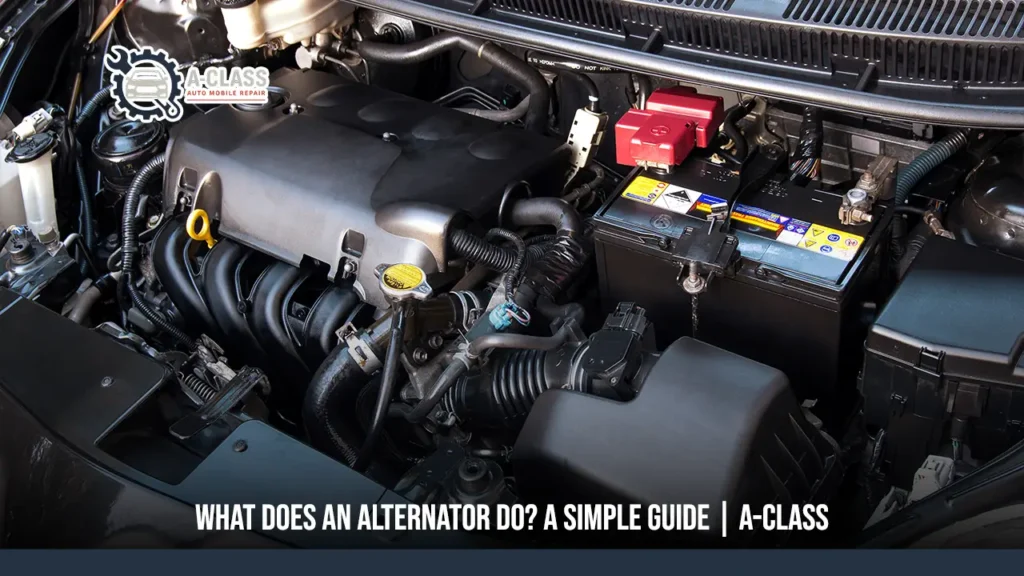
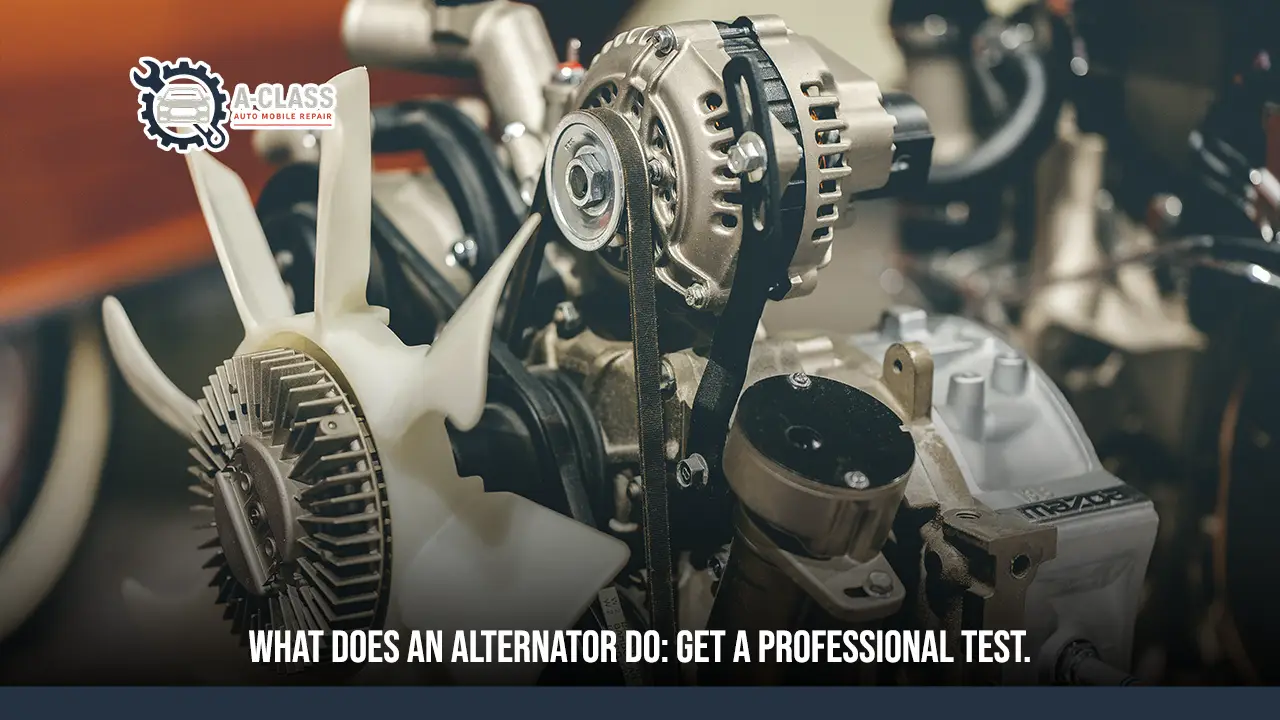
An alternator converts mechanical energy into electrical energy to power a vehicle’s electrical systems such as lights, radio, and wipers, while recharging the battery when the engine is running. The battery starts the car, but the alternator supplies continuous power and keeps the battery charged during driving.
What Does an Alternator Do in a Car?
An alternator transforms mechanical power into electrical current, operating your vehicle’s electrical accessories (like lights, wipers, and the radio) and keeping the battery fully charged while the motor operates. Although the battery is responsible for cranking the engine, the alternator becomes the primary power source once the vehicle is active, functioning much like an onboard generator.
Crucial operations and facts regarding this component include:
- Power Generation: It shifts mechanical force from the engine into electrical power (specifically alternating current).
- Charging the Battery: As you commute around areas like The Woodlands, the alternator continuously replenishes the battery, ensuring it has enough juice for your next start.
- Operating Components: It drives the car’s electrical systems, including the stereo, headlights, power windows, and fuel injection mechanisms.
- How it Works: Powered by the engine’s drive belt, the alternator rotates an internal rotor to produce an electrical current. A rectifier then changes this from alternating current (AC) to direct current (DC) for the vehicle’s network.
- Voltage Regulation: A built-in voltage regulator maintains a steady electrical flow to prevent the battery and sensitive electrical networks from sustaining damage.
How Alternator Works?
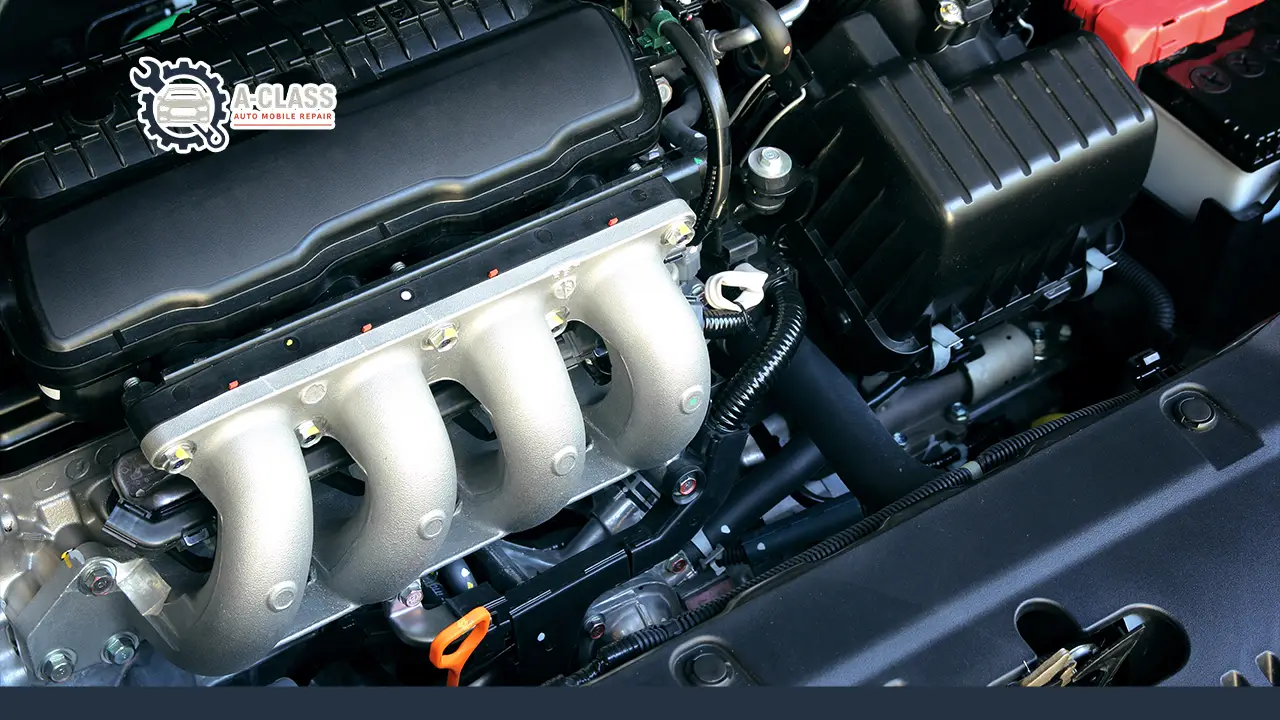
The alternator serves as the primary electrical generator for your car, turning the engine’s mechanical movement into DC electrical energy to operate electronics and replenish the battery. By spinning magnets within wire coils, it generates power continuously as long as the engine runs, usually powered by a robust belt. If you ever need car parts replacement, understanding how this system functions is highly beneficial:
- Engine Spinning: The engine rotates a pulley located on the alternator through a drive belt (commonly known as a serpentine belt).
- Magnetic Field Creates Electricity: Internally, a magnetic rotor spins within fixed wire coils called a stator. This motion generates a magnetic field that pushes electrons, resulting in Alternating Current (AC).
- Converting Power: This AC power is subsequently transformed into Direct Current (DC)—the standard for automotive batteries—via a part known as a rectifier.
- Voltage Regulation: The voltage regulator oversees the output, making sure the alternator provides a consistent 13.5 to 14.5 volts, which stops the battery from being overcharged.
Core Internal Components:
- Rotor: The rotating element responsible for generating the magnetic field.
- Stator: The fixed wire coils that capture the magnetic field to produce electricity.
- Rectifier (Diodes): Transforms the AC power into usable DC power.
- Voltage Regulator: Dictates and stabilizes the electrical voltage output.
What Is the Alternator Function in Car?
This vital automotive part transforms mechanical force into electricity, delivering power to the vehicle’s electrical network and restoring the battery’s charge while the motor is active. It is absolutely crucial for vehicle performance because it guarantees steady voltage to all accessories, stops battery drain, and ensures the engine continues to run dependably without stalling. When performance drops, visiting a reliable mechanic shop in Houston is highly recommended.
Primary Duties of the Alternator:
- Powering Electronics: After the battery initiates the engine start, the alternator assumes control to run the climate control, infotainment, electric steering, and lighting.
- Recharging the Battery: It constantly restores the battery’s charge while you are driving, ensuring it is at peak capacity for the next time you turn the key.
- Electrical Load Balancing: It acts as an electrical buffer, managing sudden voltage spikes and providing a consistent power flow to all electronic modules.
Why It Is Crucial for Performance:
- Reliable Operation: Lacking a functional alternator, your vehicle relies solely on battery reserves and will inevitably stall once that power is depleted.
- Component Longevity: Working correctly, it stops undue stress on your battery, vastly improving the battery’s overall lifespan.
- Advanced Feature Functionality: Contemporary safety mechanisms, like airbags and ABS brakes, strictly rely on the continuous power generated by a healthy alternator.
What Is the Difference Between Alternator vs Battery Role?
The fundamental distinction is that the battery fires up the engine utilizing stored chemical power, whereas the alternator maintains engine operation and fuels the car’s electrical array when comparing battery vs alternator. (sensors, radio, lights) by creating electricity while driving. Consider the battery as the initial starter and the alternator as the ongoing energy supplier while navigating through places like Katy. If you suspect issues with either, an expert charging system repair shop can diagnose it accurately.
Battery (Energy Storage):
- Main Job: Delivers the massive surge of high-amperage electricity required for the starter motor to turn over the engine.
- Secondary Job: Operates electronic accessories (lights, stereo) when the engine is completely turned off.
- Lifespan: Generally survives for roughly 4 to 6 years before needing replacement.
- Sign of Failure: The engine refuses to crank, often accompanied by a rapid clicking noise.
Alternator (Energy Generation):
- Main Job: Changes mechanical rotation into electrical current to operate the vehicle’s systems while it is running.
- Secondary Job: Actively replenishes the battery’s charge during your commute.
- Lifespan: Often outlasts the battery itself but can eventually fail due to degrading internal parts.
- Sign of Failure: The vehicle dies while driving, headlights become dim, or a red battery icon illuminates on the dash.
Summary of Distinctions
| Feature | Battery | Alternator |
| Primary Role | Start the engine | Power electronics/recharge |
| Energy Type | Stores chemical energy | Generates electrical energy |
| When it works | Engine off (mostly) | Engine running |
| Failure Symptoms | Slow/no start | Stalling, dim lights, dead battery |
How the Car Charging System and Alternator Work Together
The car charging system, primarily anchored by the alternator and battery, supplies power to all onboard electronics and meticulously recharges the battery while the engine runs.
While the battery initiates the startup, the engine-driven alternator assumes responsibility for handling the vehicle’s entire electrical load, including lights and AC. If you notice persistent charging issues, searching for a mobile mechanic near me can help you diagnose and resolve these complex system failures quickly. Core Components and Warning Signs:
- Alternator: The core workhorse that changes mechanical engine rotation into usable electricity to run the car and charge the battery.
- Battery & Regulator: The battery stores starting energy, while the voltage regulator ensures the system receives a consistent, safe voltage level.
- Warning Signs: Look out for a red battery icon on your dashboard, flickering lights, or a completely dead battery that might require a quick battery jump start.
- Unusual Noises: A screeching or whining sound often indicates a failing internal bearing or a compromised drive belt within the charging network.
What Does the Alternator Belt Do and Why It Matters?
The alternator belt, frequently referred to as a serpentine belt, is a critical rubber component that transfers rotational force from the engine’s crankshaft directly to the alternator.
This vital connection allows the system to generate electricity, but a snapped belt will immediately lead to severe issues like a drained battery and an engine smoking in stop and go traffic 610 loop. If you need an emergency mechanic in Spring, TX, for a broken belt, addressing it immediately is crucial to avoid complete engine failure. Functions and Consequences of Failure:
- Powers the Alternator: Its main job is spinning the alternator to create electrical energy for components like headlights, wipers, and the radio.
- Drives Accessories: In modern vehicles, this single belt also drives the AC compressor and power steering pump, making steering incredibly difficult if it snaps.
- Engine Cooling: It often spins the water pump to circulate coolant; if it breaks, you might quickly find your car overheating on I-10.
- Immediate Breakdowns: A broken belt leads to an instant loss of power steering and electrical failure, often requiring immediate roadside assistance.

Need a fast and reliable mobile mechanic in Houston Texas? A-Class Auto offers 24/7 mobile auto repair with 47+ expert mechanics & 8+ years of experience. Call now!
Call NowSigns of a Bad Alternator and When to Replace It
Recognizing the early symptoms of a bad alternator can save you from being stranded on the side of the road with a completely dead vehicle.
Symptoms usually begin subtly with electrical anomalies and progress to severe operational failures that demand immediate professional intervention and car parts replacement. Whether you need a standard inspection or a comprehensive 100,000 mile tune-up, watching for these specific warning signs will help protect your engine’s overall health. Common Symptoms of Failure:
- Dimming or Flickering Lights: Your headlights and interior dashboard lights may lose brightness or fluctuate randomly in intensity as you drive.
- Electrical Glitches: You might experience slowly moving power windows, malfunctioning seat heaters, or a radio that abruptly cuts out.
- Dashboard Warnings: The vehicle’s computer will trigger a battery-shaped icon, or a light reading “ALT” or “GEN” on your instrument panel.
- Mechanical Noises: Damaged internal bearings will create a distinct, loud growling or whining friction sound coming from the engine bay.
- Stalling Engine: The spark plugs and fuel injectors will eventually lack the necessary electrical power to keep the engine firing, causing unexpected stalls.
Common Alternator Problems and How to Fix Them
Alternators consist of several intricate internal components, and the failure of just one small part can disrupt the entire electrical generation process.
While some minor electrical issues can be patched, most internal mechanical failures require a complete unit replacement from a reputable mechanic shop near me to ensure total reliability. From corroded wiring to worn-out brushes, maintaining regular vehicle maintenance schedules is the best way to catch and resolve these specific internal problems early. Frequent Issues and Solutions:
- Worn Carbon Brushes: The internal brushes naturally wear down over time from friction; the fix involves rebuilding the unit or replacing the brush assembly.
- Failed Voltage Regulator: This causes the alternator to dangerously overcharge or undercharge the battery, requiring a new regulator installation.
- Bad Diode (Rectifier): A blown diode allows alternating current (AC) to leak into the direct current (DC) system, which requires replacing the diode trio.
- Corroded Connections: Severe rust and grime can block the current flowing to the battery; this is fixed by thoroughly cleaning or replacing the affected cables.
How Long Does an Alternator Last in a Car?
Like most hardworking engine components, an alternator will not last forever and eventually succumbs to mechanical wear or intense engine heat over its typical alternator lifespan. Knowing its average lifespan helps you anticipate failures before you get stranded and urgently need a mobile mechanic in Houston to get your car back on the road.
Integrating this replacement into a broader schedule of Tune-Ups and general upkeep keeps your vehicle running smoothly. Lifespan and Replacement Guidelines:
- Average Lifespan: These critical electrical generators typically survive between seven and ten years of daily driving under normal conditions.
- Mileage Range: The internal components usually begin to degrade and fail once the vehicle hits the 100,000 to 150,000-mile mark.
- When to Replace: Swap the unit immediately if you smell burning rubber, fail a diagnostic voltage test, or experience constant engine stalling.
How to Test an Alternator at Home?
Before you schedule a major engine repair or panic about your electrical system, you can easily verify the alternator’s health using a basic digital multimeter in your driveway.
This simple diagnostic process takes only a few minutes and is often the first step a mobile mechanic near the Energy Corridor that does battery replacement will take. If you are unsure about doing it yourself, you can always request this specific check during a standard Pre-Purchase Inspection:
- Get a Multimeter: Turn your digital multimeter dial to the 20-volt DC setting.
- Test the Battery Off: Place the probes on the battery terminals with the car off; a healthy resting battery reads around 12.6 volts.
- Start the Engine: Turn the ignition key and check the meter’s voltage reading while the motor idles in your driveway.
- Analyze the Idle Reading: A properly functioning alternator must push out a steady stream of 13.5 to 14.5 volts to the battery.
- Load Test the System: Turn on every major electrical accessory, including the high beams, the radio, and the cabin heater.
- Analyze the Loaded Reading: The voltage will naturally drop, but if it dips below 13.0 volts under this heavy load, your alternator is officially failing.
Can a Car Run Without an Alternator?
Technically, a vehicle can drive without a functioning alternator, but this is an extremely temporary situation that relies entirely on the battery’s limited stored energy.
Within minutes, the spark plugs will stop firing, leaving you stranded and potentially needing a Lock-Out service or immediate towing. If this happens far from home, finding a mobile mechanic near me in Sugar Land that’s open on Sunday becomes an absolute necessity:
- Yes, Temporarily: The engine will continue to run for a very short, unpredictable window of time relying on backup power.
- Battery Dependent: Without the generator, all electrical demands are immediately shifted to the 12-volt starting battery.
- Short Duration: Expect the vehicle to completely stall out and die within 5 to 30 minutes of continued driving.
- Component Drain: Using power-hungry features like headlights, the AC compressor, or windshield wipers will kill the battery much faster.
- Critical Failure: Once the battery is entirely drained, the ignition system fails, and the engine immediately shuts down.
What Is the Cost Value of a New Alternator?
The value of a new alternator is determined by several factors beyond just the purchase price, primarily the vehicle’s manufacturing complexity and the quality of the replacement unit. Since the alternator is the heart of the charging system, selecting a high-grade unit is an investment in the vehicle’s long-term electrical stability. The final cost of the service is typically influenced by:
- Vehicle Specifications: High-end luxury cars and heavy-duty trucks require specialized, high-output alternators that are engineered to handle massive electrical loads, unlike standard economy vehicles.
- Part Quality (OEM vs. Aftermarket): Opting for an Original Equipment Manufacturer (OEM) part ensures perfect compatibility and factory-level durability, whereas budget aftermarket options may vary in reliability and lifespan.
- Installation Complexity: In some vehicle designs, the alternator is easily accessible, while in others, technicians must remove several engine components to reach it, which significantly impacts the professional labor time required.
Tips to Maintain Your Alternator and Avoid Failure
Preventive maintenance is the ultimate key to extending the life of your electrical system and avoiding catastrophic breakdowns during your daily commute.
Whether you are scheduling routine Oil Changes or getting brakes repair in Houston, asking your technician to quickly inspect your charging network is always a smart move. Protecting the unit from harsh environmental conditions will save you from expensive, unexpected electrical repairs down the line.
Best Maintenance Practices:
- Check the Drive Belt: Ensure the serpentine belt has proper tension and replace it immediately if you spot severe cracking or fraying.
- Clean Terminals: Actively scrub away acidic corrosion from the battery terminals to ensure a strong, low-resistance electrical connection.
- Avoid Overloading: Switch off massive aftermarket power draws, like giant stereo amplifiers, especially when idling in heavy traffic.
- Protect from Fluids: Handle a Gasket Reseal instantly to ensure engine oil, power steering fluid, or coolant does not drip into the alternator housing.
- Jumpstart Correctly: Always cross-reference your owner’s manual when using jumper cables to prevent sending a lethal power surge through the sensitive internal diodes.
Expert Alternator Repair at A-Class Auto
Don’t let a failing electrical system leave you stranded on the side of a busy Texas highway when you least expect it. At A-Class Auto, or by calling a mobile mechanic houston tx, our expert technicians utilize advanced diagnostic tools to accurately test and replace your alternator, getting you back on the road safely. Schedule your charging system inspection today and drive with total confidence.
FAQs About Alternators
What are the symptoms of a bad alternator?
The most common warning signs include dimming or flickering headlights, electrical glitches like slow power windows, and a red battery warning light on your dashboard. You might also hear a whining noise from the engine bay or experience frequent engine stalling. If you notice these, you likely need a charging system inspection immediately.
Does the alternator do anything other than charge the battery?
Yes, while charging the battery is critical, the alternator actually provides the primary electrical power for the entire vehicle while the engine is running. It actively runs the headlights, infotainment system, power steering pump, and critical engine sensors. The battery simply acts as a buffer and starter, while the alternator does the heavy lifting.
Can an engine start without an alternator?
An engine can absolutely start without a functioning alternator, as the starter motor relies entirely on the stored chemical energy inside the 12-volt battery. However, once the engine is running, the vehicle will quickly drain the remaining battery power. Within minutes, the spark plugs will lose power, and the engine will inevitably stall.
Where can I find a mobile mechanic in Houston for alternator repair?
If your car stalls in the Houston heat, a certified mobile mechanic can come directly to your home, office, or stranded location to replace the alternator on the spot. Services operating around the Energy Corridor, Katy, and Downtown Houston offer rapid response times to get you back on the road safely. This saves you the high cost and hassle of scheduling a tow truck.
How does Houston’s weather affect my car’s alternator?
The extreme summer heat and high humidity in Houston put tremendous stress on both your battery and your alternator’s internal cooling fans. Running your AC at full blast while idling in heavy 610 loop traffic forces the alternator to work at maximum capacity, accelerating wear on its internal bearings. Regular inspections before the summer peak can prevent sudden breakdowns.