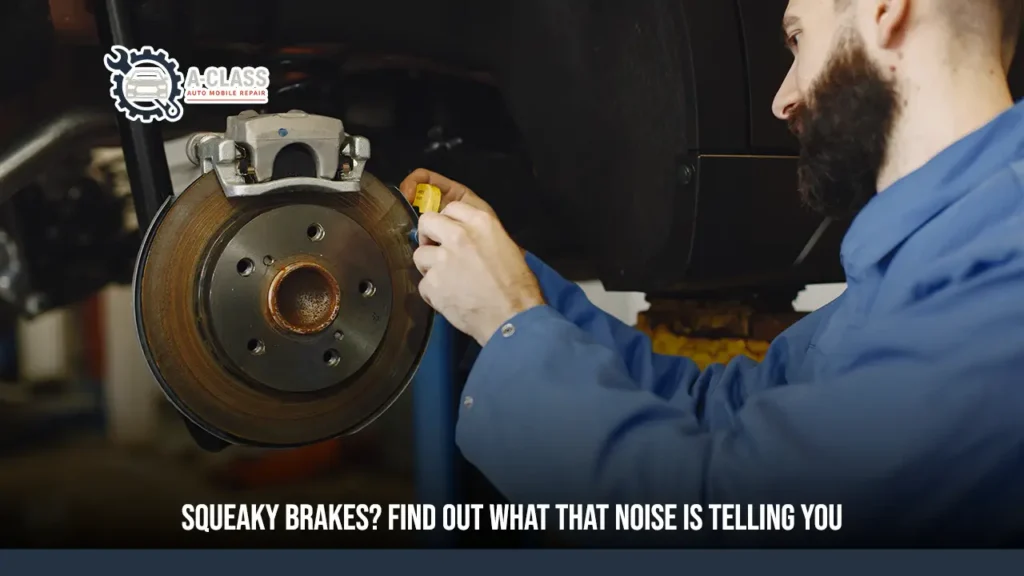
In Houston, squeaky brakes are often more than just a nuisance, they are a direct response to the city’s unique driving conditions. From the intense Gulf Coast humidity that creates overnight surface rust to the relentless stop-and-go traffic on the 610 Loop and I-10 that glazes your pads, your car is constantly under pressure.
While a faint squeak can sometimes be a harmless result of morning dew, consistent noise is your vehicle’s primary warning that its most critical safety system needs immediate attention.”
How to Fix Squeaky Brakes: A Quick Guide for Immediate Relief
Finding a fast and effective squeaky brakes fix requires understanding the exact root cause of the annoying noise so you can take the proper action to ensure your vehicle stops smoothly and safely:
Why Your Brakes Squeak When Stopping Slow in Houston Traffic
When you hear that frustrating, high-pitched noise while lightly pressing the pedal in heavy Texas gridlock, several mechanical factors are usually at play:
- Built-in Wear Indicators: Modern brake pads feature tiny metal tabs that intentionally scrape against the rotor when the pad gets too thin, acting as a loud, built-in alarm that your car needs immediate attention.
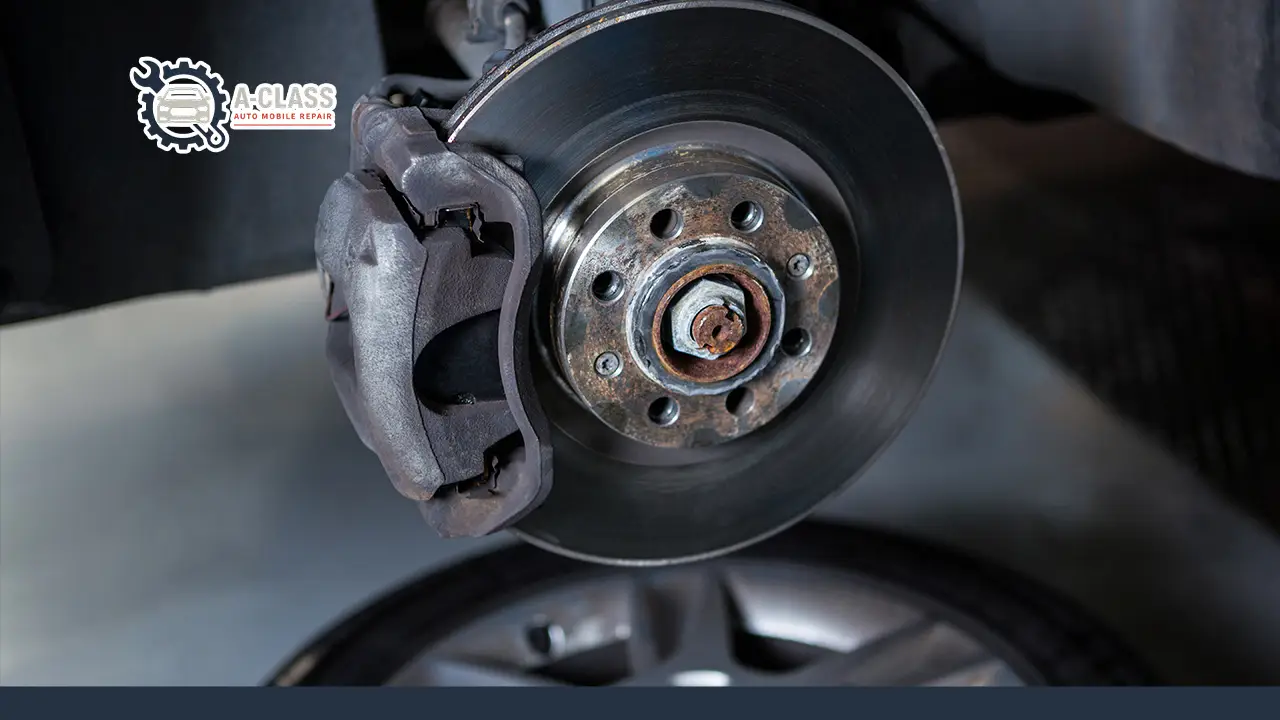
- Morning Humidity and Surface Rust: The intense Houston coastal moisture often creates a thin layer of overnight rust on your metal rotors, causing a temporary squeak until morning driving friction scrapes it off.
- Glazed Braking Components: Constantly riding your brakes in endless stop-and-go traffic on the 610 loop generates excessive heat, which can harden and “glaze” the pads, making your brakes squeak when stopping slow.
- Trapped Dust and Debris: High winds and dusty roads can easily force tiny rocks and dirt particles directly into the caliper assembly, creating a terrible grinding sound every time you try to slow down.
- Warped Metal Rotors: Extreme temperature changes and heavy braking can permanently warp the smooth surface of your rotors, signaling that you urgently need a professional Brake replacement Heights Houston or nearby.
Simple Steps to Stop Squeaky Brakes Before Your Next Commute
Taking immediate, smart action is the only way to stop squeaky brakes from escalating into a catastrophic and incredibly expensive mechanical failure. Here is exactly what you need to do:
- Listen to the Pitch First: Pay close attention to whether the sound is a high squeal or a deep metal-on-metal grind, as this tells your mechanic exactly how severe the internal damage is.
- Never Use DIY Lubricants: Never spray WD-40 or random garage oils onto your braking system hoping to quiet the noise; this ruins the friction material and makes your car dangerously unable to stop.
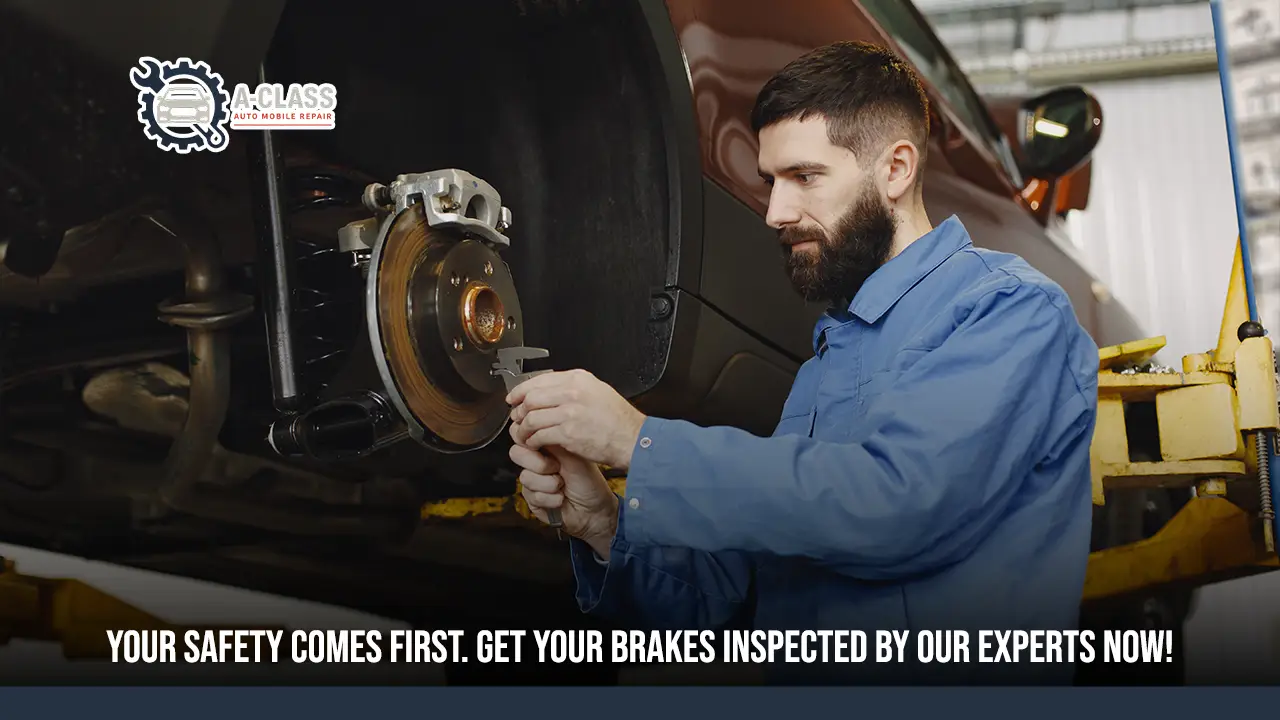
- Schedule a Professional Visual Inspection: The absolute safest route is having a certified technician measure the exact thickness of your brake pads and inspect the caliper slider pins for proper lubrication.
- Hire A-Class Auto for Ultimate Convenience: Instead of wasting your Saturday morning stuck in a repair shop waiting room, our roadside assistant experts will come directly to your office to fix brakes while you are at work in Downtown Houston.
- Rely on On-the-Spot Replacements: A-Class Auto brings premium OEM parts and heavy-duty hydraulic tools directly to your exact location, instantly restoring your smooth, silent stopping power without ever disrupting your busy schedule.
The 4 Common Culprits Behind Brake Noise in Texas Humidity
Understanding exactly what triggers that highly annoying sound on your daily commute involves looking closely at these four specific mechanical factors:
Moisture-Induced Overnight Rust
The incredibly thick, humid air rolling in from the Gulf coast naturally settles directly onto your vehicle’s metallic rotors every single night while parked.
This morning surface rust creates a loud, scraping squeal when you first drive out of your Pearland driveway, which usually fades harmlessly after your first few stops.
Worn Out Ceramic Brake Pads
Every time you press the pedal to navigate heavy traffic in The Woodlands, your brake pads naturally lose a microscopic layer of essential friction material.
Once the pad thickness drops dangerously low, a small metal wear indicator intentionally scratches the rotor to loudly warn you that a replacement is absolutely urgent.
Lack of Proper Caliper Lubrication
The intense summer heat constantly baking the Houston asphalt rapidly dries out the essential silicone grease protecting your sliding caliper pins.
Without this vital lubrication, the metal components forcefully grind against each other instead of sliding smoothly, creating a constant, irritating squeak at every red light.
Glazed Pads from Heavy Braking
Aggressively riding your brakes in endless bumper-to-bumper traffic on I-10 causes your internal braking temperatures to spike to dangerously high, unnatural levels.
This intense heat essentially cooks and hardens the soft pad material into a smooth, glassy surface that loudly squeals instead of safely gripping the spinning rotor.
Read more: top 10 low maintenance car brands
Is it Safe to Drive with Squeaky Brakes in Houston?
The short answer is absolutely no. While you might be tempted to ignore the noise for a few more days, driving with compromised brake pads is incredibly dangerous because it causes these severe risks on Texas roads:
- Drastically Increased Stopping Distances: Ignoring that high-pitched warning means your brake pads are dangerously thin, causing your car to take much longer to come to a complete stop when Houston freeway traffic suddenly halts.
- Unpredictable Braking Performance: When worn-out pads continuously rub against the metal, they generate massive amounts of abnormal heat, which causes your brake pedal to suddenly feel spongy, unresponsive, and terrifyingly weak.
- Severe Rotor Damage and Gouging: Driving past the initial squeaky brakes warning stage forces the metal wear indicator to violently dig into your smooth rotors, carving deep, permanent grooves that will cost you hundreds of extra dollars to replace.
- Boiling Brake Fluid Hazards: The unnatural friction heat caused by metal-on-metal grinding can actually transfer directly into your brake lines and boil the hydraulic fluid, leading to an immediate and total loss of your braking power.
- The Risk of Complete Caliper Lock-Up: If you continue to drive and ignore the loud screeching, the extreme heat and friction can literally weld the braking components together, causing the wheel to lock up completely while you are driving at highway speeds.
Need a fast and reliable mobile mechanic in Houston Texas? A-Class Auto offers 24/7 mobile auto repair with 47+ expert mechanics & 8+ years of experience. Call now!
Call NowProfessional Squeaky Brakes Fix vs. DIY Lubrication
Knowing exactly when to roll up your sleeves with a can of brake cleaner and when to immediately call a certified mechanic shop near me can save your life and your wallet. Here are the specific scenarios where a quick driveway adjustment is perfectly fine, versus the critical situations that strictly require a professional intervention:
When a DIY Approach is Safe and Effective
- Washing Away Heavy Road Grime: If your wheels are coated in thick Houston storm mud or heavy brake dust, thoroughly spraying the entire wheel hub with a dedicated aerosol brake cleaner safely removes the squeaking debris without dismantling any major parts.
- Greasing the Pad Backing Plates: If you recently installed brand-new pads yourself but completely forgot to apply high-temperature silicone paste to the metal backplates, taking the wheel off to properly grease those specific contact points safely stops minor vibration noises.
- Removing Trapped Pebbles: Driving through active suburban construction zones can easily lodge tiny rocks between the rotor and the metal dust shield; safely pushing the shield back slightly with a long screwdriver to let the pebble drop out is a completely harmless DIY fix.
- Lubricating Dry Caliper Pins: If you already possess a heavy-duty hydraulic floor jack, proper torque wrenches, and solid mechanical experience, carefully removing the slider pins to apply fresh silicone grease is an acceptable weekend maintenance task.
When You Absolutely Need a Professional Mobile Mechanic
- The Wear Indicators are Actively Grinding: When that high-pitched chirp turns into a constant metal-on-metal scrape, your friction material is completely gone, and no amount of DIY grease will magically restore your dangerously thin brake pads.
- The Steering Wheel Violently Shakes: A loud squeal combined with a violently shuddering steering wheel when you press the pedal means your steel rotors are permanently warped from the intense Texas heat and require an urgent professional replacement.
- You Experience a Spongy Brake Pedal: If your vehicle aggressively pulls to one side or the pedal sinks straight to the floorboards, you have a seized hydraulic caliper or boiling brake fluid that requires advanced diagnostic tools to safely repair.
- Lacking the Proper Safety Equipment: Attempting to forcefully pry off rust-fused brake components while your heavy SUV is balanced on a cheap, flimsy emergency trunk jack puts you at a massive risk for a fatal crushing injury if the vehicle suddenly shifts.
Choosing Ultimate Convenience with A-Class Auto: When you don’t want to risk your personal safety or waste your only day off covered in toxic brake dust, booking a top-rated Mobile mechanic in Houston ensures your braking system is flawlessly restored right in your own driveway.
Dealing with squeaky brakes is your vehicle’s built-in warning system alerting you that the brake pads are dangerously thin or heavily contaminated with road grime.
While washing the wheels with a dedicated brake cleaner can safely remove minor dust, you must never apply WD-40 or ignore a constant metal scraping sound.
The absolute safest and fastest way to restore your stopping power is to book a certified mobile mechanic from A-Class Auto to professionally replace your worn-out pads directly in your Houston driveway.
FAQs About Squeaky Brakes in Houston
Can I spray WD-40 on my brakes to stop squeaking?
Absolutely not. Spraying WD-40 or any standard household oil directly onto your rotors completely ruins the vital friction material on contact.
It makes your braking surface incredibly slick and dangerous, meaning your vehicle will completely fail to stop in heavy Houston traffic.
What can I spray on my brakes to stop them from squeaking?
The only product you should ever apply to the outside of your wheel assembly is a dedicated, automotive-grade aerosol brake cleaner.
This safely washes away the thick buildup of coastal road grime and heavy brake dust without leaving behind any slippery, dangerous residue.
How much does it cost to fix squeaky brakes?
The final price highly depends on how long you ignored the noise. A standard mobile brake pad replacement usually costs between $150 and $300 per axle.
However, if you wait until the metal wear indicators carve deep grooves into your rotors, that repair bill will easily double.
Can I still drive if my brakes squeak?
You can safely drive for a few days if it is just a light, intermittent chirp or morning humidity rust burning off. However, if the high-pitched squeal is completely constant or suddenly turns into a violent metal-on-metal grinding crunch, you must pull over and book a mobile repair immediately.