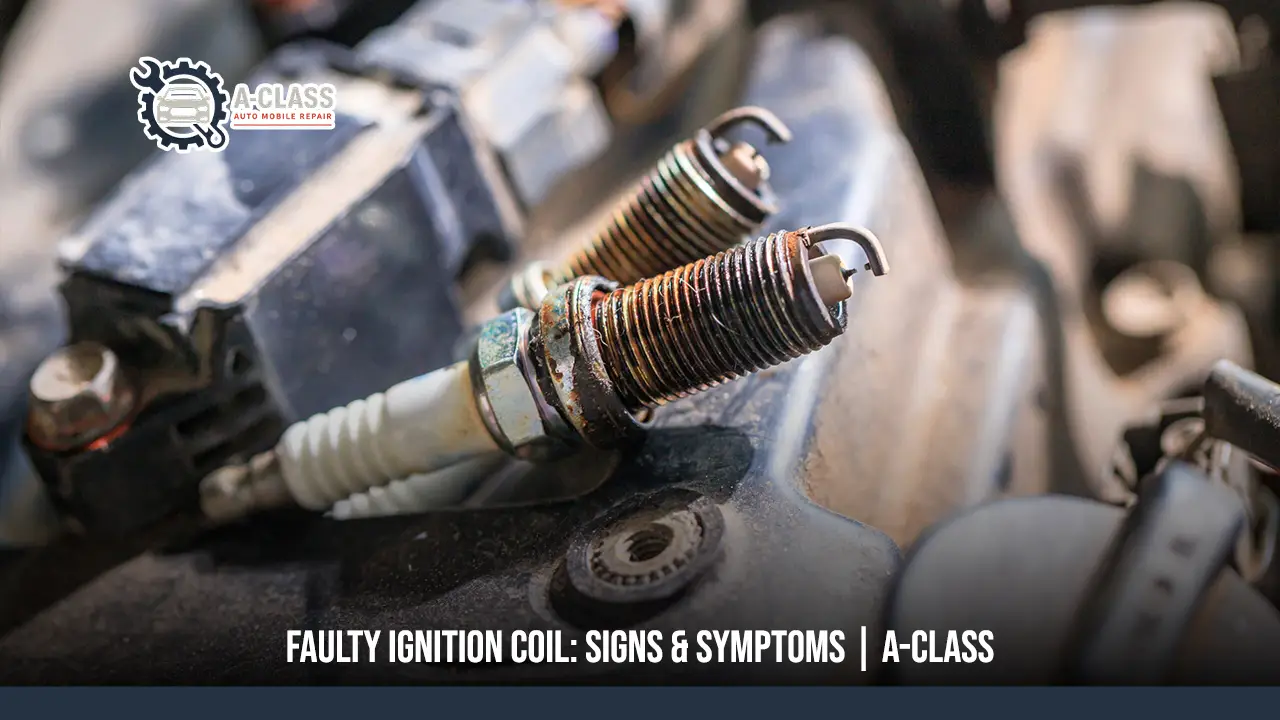
Faulty ignition coil symptoms include engine misfires, rough idling, poor fuel combustion, and noticeable power loss during acceleration. These issues happen when the ignition coil fails to deliver the required voltage to the spark plugs, leading to unstable engine performance and reduced fuel efficiency. If ignored, the problem can escalate into a flashing check engine light and costly catalytic converter damage.
Faulty Ignition Coil Symptoms You Shouldn’t Ignore
A faulty ignition coil prevents cylinders from firing, causing misfires, hesitation, and poor fuel economy. If ignored, this unburned fuel can overheat your catalytic converter and cause expensive, permanent engine damage.
You can verify and tackle these issues using an OBD2 Scanner and car electrical diagnostics to read diagnostic codes and an Automotive Multimeter to check electrical resistance. Watching out for faulty ignition coil symptoms is crucial.
Warning Signs of a Failing Coil
- Misfiring & Shaking: The engine will feel jerky, sputter, or vibrate, especially during acceleration or at idle.
- Severe Power Loss: A dead cylinder makes the vehicle feel sluggish and unresponsive when you press the gas.
- Check Engine Light (CEL): The ECU will typically flash or illuminate the CEL, storing misfire or ignition codes (e.g., P0300 through P0308).
- Hard Starts & Stalling: The engine may struggle to turn over, or it may die unexpectedly at stoplights.
- Poor Fuel Economy & Exhaust Smell: Incomplete combustion requires the engine to burn more gas, leaving a strong gasoline smell from the tailpipe.
- Backfiring: Unburned fuel igniting in the hot exhaust system causes loud popping noises and potential dark smoke.
Why Immediate Action is Critical
Ignoring faulty ignition coil symptoms puts a massive strain on other parts of your vehicle. Unburned fuel entering the exhaust can overheat the catalytic converter, leading to expensive and potentially permanent damage. It can also foul your spark plugs and worsen misfires quickly. If you’re in Houston, a mobile mechanic houston tx can diagnose the issue on-site and help prevent further engine damage.
Next Steps & How to Test
If your vehicle shows these symptoms, you can inspect the ignition system using the following approach:
- Pull the Codes: Plug an OBD2 scanner into your car’s diagnostic port to read the exact misfire or ignition codes.
- Visual Inspection: Turn the engine completely off, let it cool, and visually inspect the coils for cracks, burn marks, or melted plastic.
- Test with a Multimeter: If equipped with a removable coil or coil pack, you can measure the internal resistance of its primary and secondary windings.
- Primary Winding: Should read between 0.5 and 2.0 ohms depending on your vehicle specs.
- Secondary Winding: Should read roughly 6,000 to 15,000 ohms.
- (Note: Always consult your vehicle’s service manual or refer to a localized Auto Repair Manual for exact values for your specific year, make, and model).
- Swap Test: If your vehicle uses individual coil-on-plug units, move the suspected faulty coil to a known good cylinder. If the misfire follows the coil to the new cylinder, the coil is definitely bad.
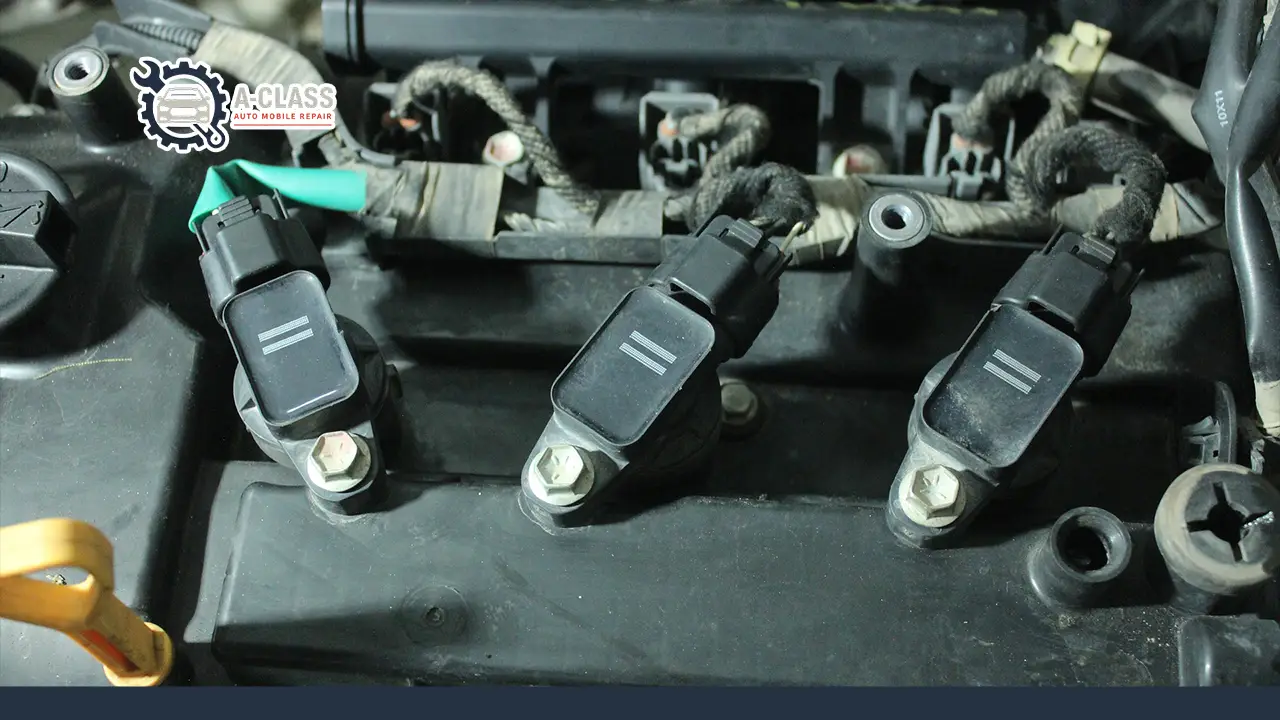
Early Warning Signs of Ignition Coil Failure
Early warning signs of ignition coil failure include rough engine idling, frequent misfires (jerking or sputtering), sudden loss of power, reduced fuel economy, a strong smell of gas from the exhaust, and an illuminated Check Engine light.
Ignoring these symptoms can damage your catalytic converter. To ensure a proper diagnosis, always look for bad ignition coil signs.
To verify the cause of your Check Engine light, use an OBD-II Scanner to read specific trouble codes, or use a Multimeter Tool to test the coil’s resistance.
Key Symptoms to Watch For
- Engine Misfires & Rough Idle: A failing coil causes inconsistent sparks, making the engine sputter, vibrate, or shake, especially when stopped at traffic lights.
- Sluggish Acceleration: The car may hesitate, jerk, or lack standard power when you step on the gas pedal.
- Gas Smell & Exhaust Smoke: Unignited fuel from misfiring cylinders passes through the exhaust, causing a distinct smell of gasoline and sometimes thick black smoke.
- Hard Starts: Your vehicle may struggle to turn over in the morning or may fail to restart after the engine gets hot.
- Backfiring: Excess unburned fuel can occasionally explode inside the hot exhaust system, causing sudden popping or banging noises.
If you suspect your ignition coil is failing, replacing it promptly can restore engine performance and protect much more expensive exhaust components from overheating.
How Ignition Coil Failure Affects Engine Performance
Ignition coil failure instantly degrades engine performance by preventing the proper ignition of the air-fuel mixture.
This causes the engine to misfire, resulting in severe hesitation, rough idling, poor acceleration, and wasted fuel. It triggers a flashing Check Engine Light and can cause permanent, expensive damage to your catalytic converter.
Engine Misfires and Rough Idling
The most immediate symptom of a bad ignition coil is an engine misfire that can be confirmed through proper engine diagnostics. Because the coil fails to send the necessary voltage to the spark plug, one or more cylinders stop firing.
This throws off the rhythmic balance of the engine, causing harsh shaking, shuddering, and jerky vibrations that are especially noticeable when you are stopped at a red light.
Sluggish Acceleration and Power Loss
For an engine to produce maximum power, all cylinders must fire consistently. When a coil weakens, the engine lacks the raw energy required to speed up.
You will experience noticeable hesitation when you press the gas pedal, making it difficult to merge onto highways or pass other vehicles.
Poor Fuel Economy
Because the cylinder is not firing correctly, the air-fuel mixture in that cylinder does not burn. This unburned fuel is pushed out through the exhaust system.
Not only does your vehicle burn more gas to compensate for the lost power, but your mileage per gallon drops drastically.
Backfiring and Stalling
In severe cases of coil failure, the unburned fuel and air can build up in the exhaust and ignite suddenly, causing a loud backfire. If the vehicle stalls out, you may find the car difficult to start or it may not start at all.
Risk of Catastrophic Engine Damage
Continuing to drive with a faulty ignition coil is highly risky. The raw fuel passing through your exhaust will cause your catalytic converter to overheat, resulting in severe and costly damage.
Additionally, unburned fuel can wash the lubricating oil off your cylinder walls, potentially causing metal-on-metal friction that ruins your piston rings and cylinder block.
Check Engine Light and Ignition Coil Issues Explained
For a visual guide on how to identify bad ignition coils and understand exactly what happens beneath the hood during a failure, you should consult your repair manual. An ignition coil converts your car battery’s 12V into the thousands of volts needed to spark and ignite your engine’s fuel.
When a coil fails, the engine misfires, triggering the Check Engine Light (CEL). To pinpoint the issue immediately, you can use an OBD2 Scanner to read the specific error codes. A check engine light ignition coil code is a clear sign of trouble.
What Happens When an Ignition Coil Fails?
Your car’s Engine Control Unit (ECU) constantly monitors the ignition process. If a coil goes bad, it stops delivering the necessary voltage to the spark plug, preventing combustion in that cylinder.
The unburned air-fuel mixture is expelled, throwing off the car’s emissions and prompting the vehicle’s computer to store a diagnostic trouble code (e.g., P0301 through P0308 for specific cylinder misfires, or P0351 for a primary coil circuit fault).
Key Symptoms to Look For
A faulty ignition coil often causes a rapid change in your vehicle’s performance. These faulty ignition coil symptoms include:
- Engine Misfire: A distinct sputtering or jerking sensation, particularly when accelerating or idling.
- Flashing Check Engine Light: If the CEL is flashing, it indicates severe misfires that require immediate attention to prevent expensive catalytic converter damage.
- Rough Idle: The car may feel jittery, shaky, or unstable when stopped at a red light.
- Engine Backfiring: Unburned fuel ignites in the exhaust system, resulting in loud popping or banging noises.
- Hard Starts: The engine struggles to turn over, especially in cold or damp conditions.
- Loss of Power & MPG: Noticeably sluggish acceleration and an unexpected drop in fuel economy.
Why Coils Fail
Ignition coils wear out due to internal short circuits, excessive heat, moisture intrusion, or general age and vibration. Additionally, worn-out spark plugs or bad spark plug wires force the ignition coil to work harder, accelerating its failure.
How to Diagnose and Fix?
- Read the Codes: Hook up an OBD2 scanner to identify the exact misfiring cylinder (e.g., P0302 means cylinder 2 is misfiring).
- Swap Test: Move the coil from the misfiring cylinder to a working cylinder and clear the codes. If the misfire follows the coil to the new cylinder, the coil is definitively bad.
- Replace: It is highly recommended to replace both the bad ignition coil and its corresponding spark plug at the same time. If your coils are older, mechanics often suggest replacing the whole set to prevent a domino effect of failures on the remaining coils.
Is the Ignition Coil to Blame?
Yes, the ignition coil is one of the most common causes of an engine misfire. If your car is stuttering or showing a “check engine” light, you can scan the trouble codes using an OBD2 Scanner to pinpoint exactly which cylinder is misfiring.
Symptoms of a Bad Ignition Coil
If your ignition coil is failing to send sufficient voltage to the spark plug, you will likely experience these faulty ignition coil symptoms:
- Rough or erratic idling: The car may vibrate or shake noticeably when stopped at a red light.
- Hesitation or jerking: The engine may stumble when you try to accelerate or merge onto a highway.
- Poor fuel economy: Unburned fuel gets dumped into the exhaust, causing your gas mileage to drop.
- Strong fuel smell: You may smell raw, unburned gasoline coming from the tailpipe.
Check Engine Light and Ignition Coil
An illuminated check engine light caused by ignition coil issues indicates an engine misfire. To immediately diagnose your vehicle’s problem, you can visit local repair shops for estimates or utilize free diagnostic scanning services. Dealing with ignition coil failure promptly prevents further complications.
What is an Ignition Coil?
Your car’s ignition coil is essentially a heavy-duty transformer. It converts the low 12-volt charge from your car battery into the tens of thousands of volts required to spark the spark plugs. Modern vehicles generally feature a “coil-on-plug” setup, where each spark plug has its own dedicated ignition coil, whereas older vehicles often used a single, centralized coil pack.
Why the Check Engine Light Comes On?
When an ignition coil begins to fail, it fails to send the necessary electrical charge to ignite the air/fuel mixture in the cylinder.
This causes the engine to “misfire”. The engine’s computer (ECU) detects this irregular voltage and combustion failure, triggering the check engine light.
- Flashing Light: If your check engine light is actively flashing, pull over safely and get the vehicle towed. This indicates a severe misfire that can rapidly destroy your catalytic converter.
- Common Codes: You will typically see Diagnostic Trouble Codes (DTCs) ranging from P0300 (random/multiple cylinder misfire) to codes like P0301, P0302, etc., which pinpoint the exact cylinder where the misfire is happening (e.g., P0301 means Cylinder 1 is misfiring).
Common Symptoms
Aside from the check engine light, failing ignition coils present several distinct warning signs. Being aware of faulty ignition coil symptoms helps in early detection:
- Engine Misfires: A jerking, sputtering, or hesitant sensation when you attempt to accelerate.
- Rough Idling: A shaky, unstable, or vibrating feeling when your car is stopped at a red light.
- Hard Starts: The engine struggles to turn over or takes multiple attempts to start, especially in damp conditions.
- Poor Fuel Economy: Inefficient combustion leads to reduced gas mileage.
- Engine Backfiring: Unburned fuel enters the exhaust system and ignites, causing loud popping noises.
Causes of Failure
Ignition coils operate in extreme heat and under high electrical stress. Common reasons for failure include:
- Worn Spark Plugs: Severely worn spark plugs force the coil to work much harder to bridge the gap, eventually causing the coil to short out.
- Thermal Stress: Constant heating and cooling cycles degrade internal windings.
- Oil or Moisture Intrusion: Leaking valve cover gaskets can allow oil to pool on top of the coils, causing them to fail.
Why a Bad Ignition Coil Causes Car Stalling?
A bad ignition coil causes a car to stall by failing to provide the high-voltage electricity needed to ignite the engine’s air-fuel mixture.
Without this critical spark, the cylinder goes dead. If multiple cylinders misfire, or if a central coil fails entirely, the engine rapidly loses power and dies. Understanding the link between a car stalling ignition coil issue is essential.
For reliable auto parts or to find a local mechanic to diagnose your vehicle’s specific symptoms, consider visiting an auto parts store to get your car running smoothly again.
Why Stalling Happens?
- Loss of Spark: The ignition coil acts as an induction transformer that steps up your car’s 12-volt battery power to as much as 30,000 to 40,000 volts. If the coil breaks down or shorts out, the spark plugs cannot ignite the fuel.
- Intermittent Failures: Coils often expand and contract as they heat up and cool down. Internal wiring breaks may separate when hot, dropping the electrical connection and cutting the spark without warning.
- Misfires & Fouling: A weak coil results in a weak spark, leading to incomplete combustion. The unburned fuel builds up and fouls the spark plug, worsening the misfire until the engine struggles too much to stay running, especially while idling.
- Lack of RPM Support: At higher speeds, the engine’s momentum helps keep it turning. When you slow down or stop, the engine load drops, and a weakened coil struggles to fire precisely enough to maintain the engine’s idle speed, resulting in a sudden stall.

Need a fast and reliable mobile mechanic in Houston Texas? A-Class Auto offers 24/7 mobile auto repair with 47+ expert mechanics & 8+ years of experience. Call now!
Call NowIgnition Coil Failure and Poor Fuel Economy
Ignition coil failure directly impacts your vehicle’s fuel efficiency. When a coil weakens, it fails to send adequate voltage to the spark plugs, resulting in an incomplete or weak combustion cycle.
To compensate for the lost power and maintain speed, the vehicle’s computer dumps extra fuel into the engine, significantly degrading your gas mileage. If you notice a drop in MPG, look for faulty ignition coil symptoms.
How to Diagnose Ignition Coil Issues?
If you suspect a bad ignition coil, confirming the problem requires checking for misfires and faulty parts.
- Scan for Trouble Codes: Use an OBD-II Scanner to pull error codes. Look for codes ranging from P0300 (random misfire) to specific cylinder misfires like P0301 (cylinder 1 misfire).
- The Swap Test: To verify the coil is the culprit, move the suspected bad coil to a known good cylinder. If the misfire code follows the coil to the new cylinder, the coil is definitively bad.
- Visual Inspection: Check the coil for hairline cracks, melting plastic, or signs of oil/moisture intrusion.
Primary Symptoms of a Failing Coil
- Engine Misfires: You will feel sudden jerking, hesitation, or sluggishness, particularly when accelerating.
- Rough Idling: The vehicle may vibrate intensely or idle unevenly when stopped at traffic lights.
- Backfiring: Unused fuel is pushed out of the exhaust, which creates loud popping or banging sounds.
- Hard Starts: The engine may struggle to turn over, especially in damp or cold conditions.
- Check Engine Light: The dashboard light will turn solid or blink (indicating an active misfire).
The Impact on Fuel Economy
When the air/fuel mixture fails to ignite completely, the resulting unburned fuel is expelled through the exhaust system.
This represents a massive waste of gasoline. Furthermore, the engine’s powertrain control module (PCM) may overcompensate by running the engine too rich to maintain optimal performance, compounding your worsening gas mileage.
Driving with a bad ignition coil is not recommended, as the unburned fuel and excessive heat can quickly destroy your catalytic converter, leading to repairs that cost thousands of dollars.
Why a Bad Ignition Coil Causes Stalling?
For an internal combustion engine to run smoothly, it requires three things: air, fuel, and an ignition source (spark). An ignition coil is the electronic transformer responsible for delivering that spark to your spark plugs. Here is how a failure leads to stalling:
- Engine Misfires: If the coil cracks, wears out, or suffers an internal short, it cannot deliver a strong enough charge, or it delivers it intermittently. This results in a “misfire,” meaning the cylinder’s fuel does not properly combust.
- Loss of Power: When one or more cylinders fail to fire, the engine loses significant power and runs rough.
- The Stall: When the engine is idling (such as at a stoplight) or running at low speeds, it is operating on lower RPMs. If a weak ignition coil cuts out completely during this low-power state, the engine cannot maintain its rotation and shuts off.
The Check Engine Light (CEL) Connection
Your vehicle’s Engine Control Unit (ECU) constantly monitors sensor data, including the performance of the ignition system.
- Error Codes: When the ECU detects irregular voltage signals or registers an un-combusted cylinder, it stores a Diagnostic Trouble Code (DTC). Common codes for coil issues are P0300 through P0308 (cylinder misfires) or codes like P0351 through P0353 (ignition coil primary/secondary circuit malfunctions).
- Flashing vs. Solid Light: A solid CEL means the computer has detected an emissions or performance fault. A flashing CEL is a warning of a severe, catalyst-damaging misfire and indicates you should pull over safely and seek immediate help to avoid destroying your catalytic converter.
Ignition coils fail primarily due to excessive heat, voltage overloads from worn spark plugs, and moisture or oil intrusion. A failing coil causes engine misfires, meaning unburned fuel exits the exhaust, which severely degrades fuel economy.
Diagnosing and fixing these issues quickly prevents damage to expensive parts like the catalytic converter.
The Fuel Economy Connection
When an ignition coil weakens, it cannot deliver the required voltage to the spark plug. This results in incomplete combustion, where the air-fuel mixture fails to ignite.
- Wasted Fuel: Unburned fuel is pushed out of the exhaust, giving you significantly fewer miles per gallon (MPG).
- Compensating: Your engine control unit (ECU) may try to compensate by dumping more fuel into the cylinder, further tanking your fuel efficiency.
Common Causes of Ignition Coil Failure
Coils are built to last roughly 80,000 to 100,000 miles, but several factors can cause them to fail prematurely.
- Worn or Damaged Spark Plugs: As spark plugs wear out, the gap the electricity must jump widens. This forces the ignition coil to work significantly harder and output higher voltages, leading to overheating and electrical breakdown.
- Excessive Engine Heat: Coils are mounted directly on or near the hot engine. Overheating from a failing radiator, low coolant, or a stuck thermostat degrades the coil’s internal insulation and electrical resistance.
- Oil or Moisture Intrusion: If your valve cover gaskets leak, oil can pool into the spark plug tube, causing a short circuit. Similarly, water from engine washing or heavy rain can corrode connections.
- Excessive Engine Vibration: Constant engine movement can break down the internal winding insulation of the coil, causing an internal short.
- Electrical Overload: Faulty wiring, a bad alternator, or a weak battery can disrupt power delivery, causing the coil to overheat and fail.
Primary Symptoms of a Bad Coil
Aside from poor fuel economy, you will likely experience these signs:
- Engine Misfires: A noticeable stutter, hesitation, or jerkiness when pressing the accelerator.
- Rough Idle: The engine may vibrate heavily or irregularly when the vehicle is stopped.
- Check Engine Light: The ECU will register misfire codes (commonly P0300 through P0312).
To instantly diagnose an ignition problem, use a symptom guide or your vehicle’s manual. Continuing to drive with a faulty ignition coil is highly discouraged, as it can destroy expensive emission components.
Ignition Coil vs. Spark Plug: Spot the Difference
While both work together to start and run your engine, they do entirely different jobs and fail differently.
The Ignition Coil
- Function: Acts as an electrical transformer. It converts your car’s standard 12-volt battery power into the massive voltage (up to 50,000 volts) needed to create a spark.
- Design: A heavy-duty coil pack made of copper windings. Modern vehicles usually have one coil per cylinder (called coil-on-plug).
- Failure Signs: Coils usually fail suddenly. You will experience immediate violent shaking, a dead cylinder, sudden loss of power, or a flashing Check Engine Light.
The Spark Plug
- Function: Receives the high voltage from the ignition coil and physically creates the electrical arc inside the combustion chamber to ignite the air-fuel mixture.
- Design: A small, passive metal plug with a ceramic insulator and an electrode at the tip.
- Failure Signs: Spark plugs degrade slowly over time. Symptoms develop gradually, including poor fuel economy, minor hesitation during acceleration, and hard cold starts.
Is It Safe to Drive with a Faulty Ignition Coil?
No, it is not safe or recommended. While the car may technically move or idle, driving with a bad coil causes severe “misfires” (the cylinder does not fire).
Continued driving will result in significant damage, including:
- Melted Catalytic Converter: Unburned raw fuel from the misfiring cylinder is dumped directly into your exhaust system. The fuel burns inside the catalytic converter, creating temperatures that can melt the precious metal core—resulting in repairs costing upwards of $1,000 to $2,000.
- Washed-out Cylinder Walls: The unburned liquid gasoline washes the essential lubricating oil off the cylinder walls. This causes metal-on-metal friction that will severely score your pistons and ruin the engine block.
- Diluted Engine Oil: Unburned fuel leaks past the piston rings and seeps into your oil pan, thinning out your engine oil and leading to catastrophic internal bearing failures.
- Drivability Hazards: You may experience sudden stalling, sluggish acceleration, and violent jerking, which are incredibly dangerous in highway traffic.
When Ignition Coil Problems Turn Serious?
Ignition coil problems turn serious when early warning signs—like rough idles or misfires—are ignored. A deteriorating coil starves spark plugs of voltage, causing unburned fuel to flood the exhaust system. This can escalate to irreversible engine stalling, destroyed catalytic converters, and total breakdown situations.
For more reliable auto-parts resources or to find a diagnostic specialist near you, use local directories or store locators.
When ignored, faulty coils escalate from annoying to dangerous in several specific ways:
- Catalytic Converter Failure (The Most Expensive Consequence)
- The Process: When an ignition coil goes bad, the spark plug doesn’t ignite the air-fuel mixture. The engine computer tries to compensate by injecting more fuel. This excess unburned raw fuel is pushed directly into the red-hot exhaust system.
- The Seriousness: This fuel detonates inside the catalytic converter, superheating the delicate honeycomb core and melting it. A converter replacement can easily cost upwards of $1,000 to $2,500.
- Serious Drivability Hazards
- Sudden Stalling: A misfiring engine builds up unburned fuel deposits on the spark plug, worsening the misfire until the cylinder stops working entirely. This frequently causes sudden engine death, which is exceptionally dangerous if it happens at high speeds or in heavy traffic.
- Dangerous Overtaking: Sluggish acceleration and intermittent power loss can leave you stranded or dangerously underpowered when you need to speed up to merge or pass another car.
- Backfiring: When unburned fuel ignites in the exhaust, it causes violent, loud pops, bangs, and black smoke that can damage exhaust pipes and sensors.
- Engine and Transmission Wear
- Rough Vibrations: An engine missing its regular power strokes vibrates awkwardly and suffers from an uneven idle. These harsh vibrations over time can damage sensitive engine mounts, and the erratic shifting can put unnecessary strain on your transmission.
- The “Limp Home” Danger
- Total Breakdown: If a single coil fully shorts out, your car may enter “limp mode,” heavily restricting your speed. Worse, widespread spark loss can leave you with a completely non-starting car in a very inconvenient place.
A faulty ignition coil prevents your spark plugs from receiving the voltage needed to ignite the fuel-air mixture, leading to severe drivability issues. If left ignored, a failing coil will quickly damage expensive components like your catalytic converter. Common red flags include an illuminated check engine light, engine misfires (sputtering), rough idling, and sudden power loss. Always look out for faulty ignition coil symptoms.
Use diagnostic tools and online guides to pinpoint your exact symptoms and explore replacement resources before further damage occurs.
Top Symptoms of a Failing Ignition Coil
- Illuminated Check Engine Light (CEL): Often the very first indicator. Your car’s computer will register a misfire code (typically between P0300 and P0312).
- Engine Misfires: The engine will feel like it is coughing, jerking, or hesitating, particularly when you try to accelerate.
- Rough Idling and Vibrations: Your car should sit quietly at red lights. A bad coil causes uneven engine operation, making the vehicle shake or vibrate intensely while parked or idling.
- Poor Fuel Economy: When your engine fails to burn fuel efficiently due to a weak spark, the car’s computer compensates by dumping more fuel into the cylinder, leading to noticeably worse gas mileage.
- Sudden Backfiring: Unburned fuel gets forced out into the exhaust system and detonates, resulting in loud popping or banging sounds.
- Hard Starts and Stalling: You may struggle to turn the ignition (especially in cold weather), or the car may suddenly die while you are driving.
- Loss of Power: You’ll notice sluggish acceleration or a severe drop in the vehicle’s responsiveness, especially when attempting to pass or drive up steep hills.
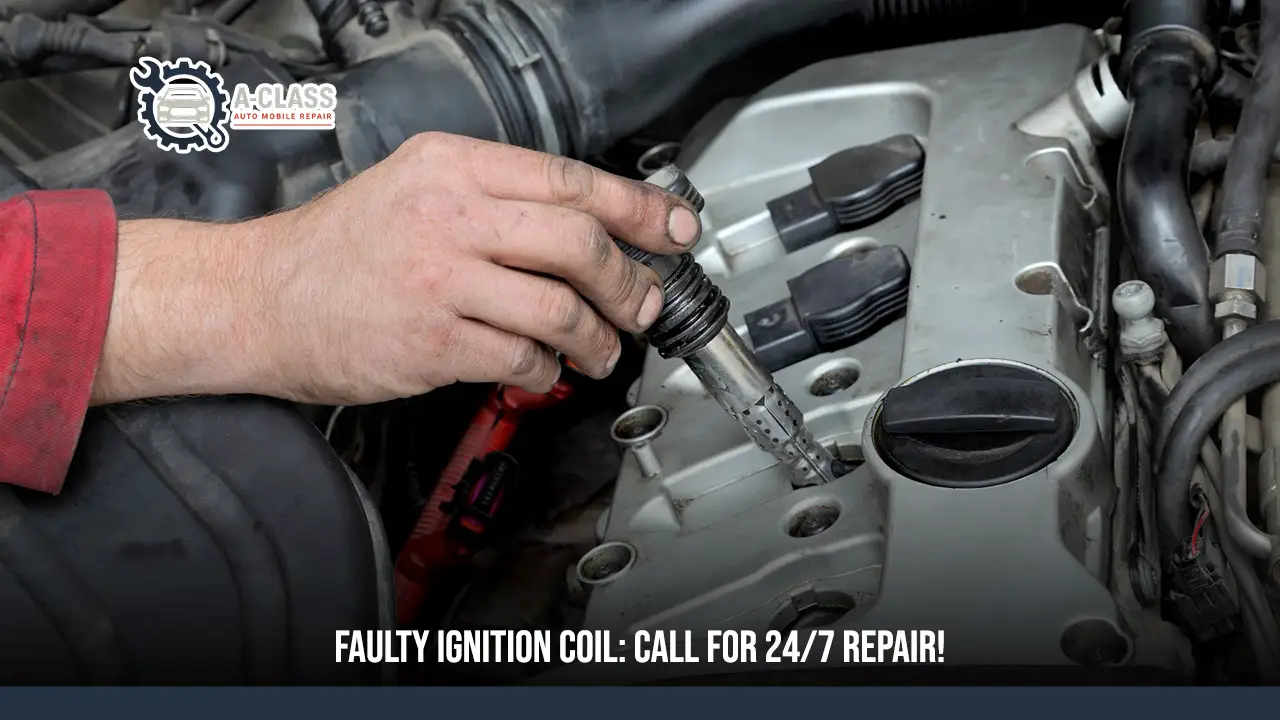
FAQs About Faulty Ignition Coil Symptoms
How can you tell if your ignition coil is bad?
You can identify a failing coil by observing faulty ignition coil symptoms such as frequent engine misfires, rough or jerky idling, and sluggish acceleration. Additionally, an illuminated or flashing Check Engine Light is a primary indicator, often confirmed by using an OBD-II scanner to pull specific misfire codes.
How expensive is it to fix an ignition coil?
The total cost to replace an ignition coil depends heavily on several factors, including your vehicle’s make, model, and the specific design of its ignition system.
Some vehicles feature easily accessible coils, while others may require more labor-intensive procedures to reach them. Additionally, professional repair costs will vary based on the labor rates at your chosen workshop or dealership.
However, if you have the proper tools and basic mechanical knowledge, performing the replacement yourself can significantly reduce your total expense by eliminating labor costs entirely.
How expensive is it to fix an ignition coil?
The cost varies depending on your vehicle’s make and model, but you can generally expect to pay between $100 and $300 per coil, including parts and professional labor. However, if you have the proper tools, performing the replacement yourself can save you a significant amount on labor costs.
What is the most common cause of ignition coil failure?
The most common cause is excessive heat and electrical stress, often accelerated by worn-out spark plugs. When spark plugs degrade, the coil must work harder to bridge the electrical gap, eventually causing the internal windings to break down or short-circuit. Additionally, moisture or oil leaks pooling around the coil can cause premature failure.