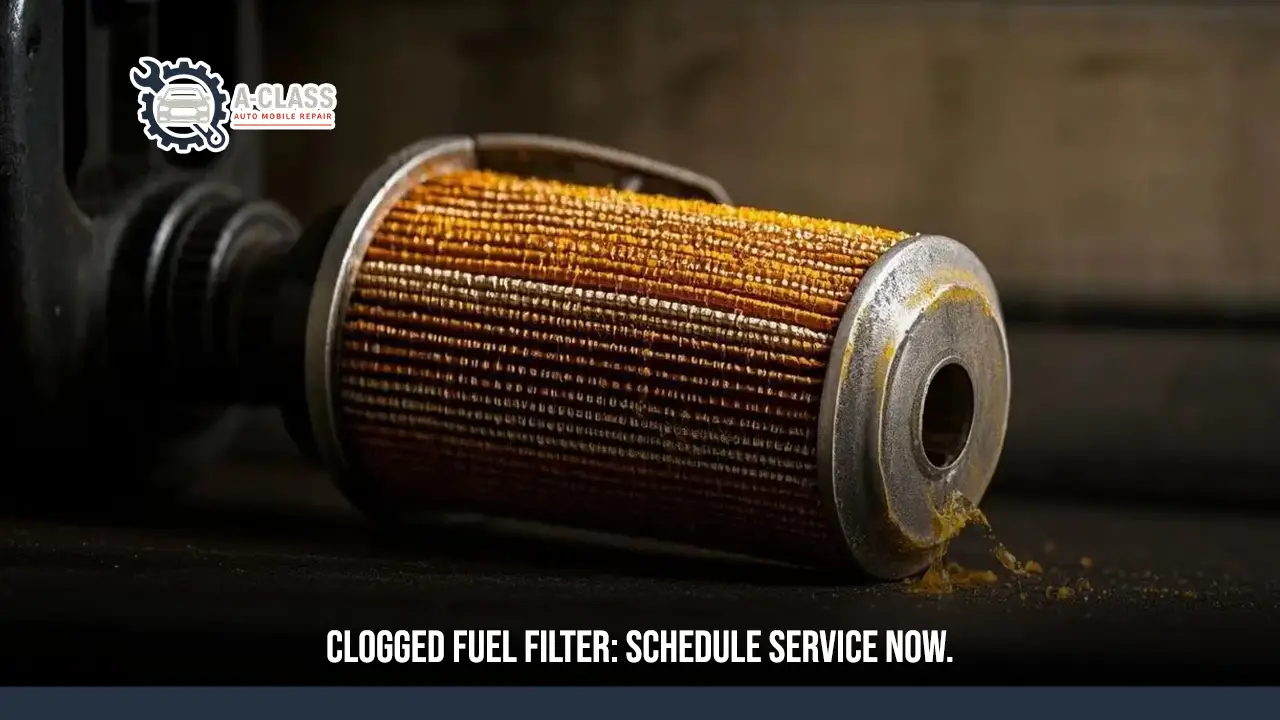
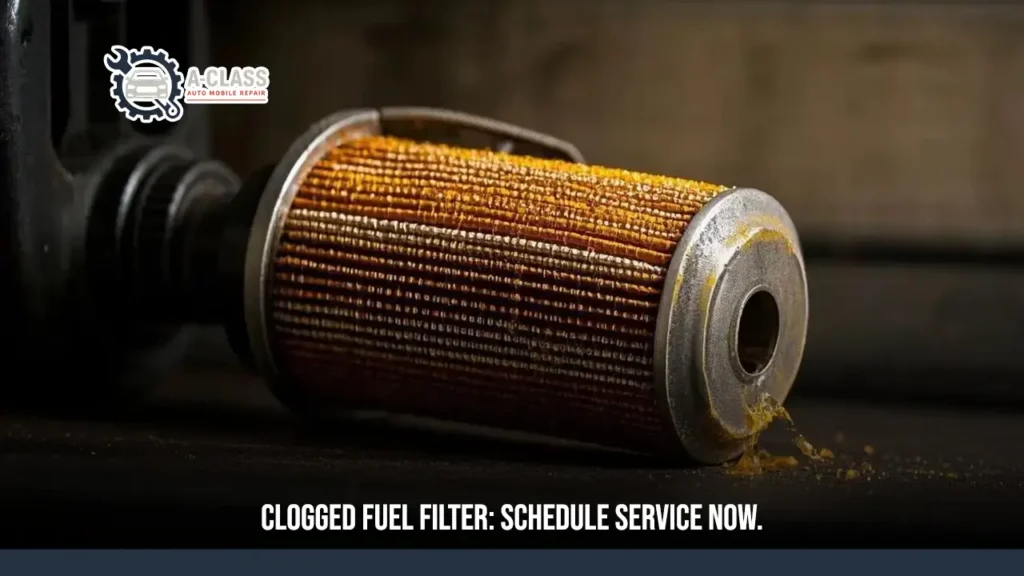
Common clogged fuel filter symptoms include sluggish acceleration, engine sputtering, and frequent stalling, as the restricted fuel flow prevents your engine from performing under load. These issues often lead to hard starting and an illuminated Check Engine Light, signaling that your fuel pump is under excessive strain.
Diagnosing the problem involves using an OBD2 scanner for error codes or checking fuel pressure, and timely replacement is essential to prevent permanent damage to your fuel system or catalytic converter.
Clogged Fuel Filter Symptoms You Shouldn’t Ignore
A clogged fuel filter starves your engine of the fuel it needs to run properly. Warning signs you shouldn’t ignore include hard starts, sluggish acceleration, sudden engine stalling, rough idling, and an illuminated Check Engine Light. Ignoring clogged fuel filter symptoms can damage your fuel pump or catalytic converter.
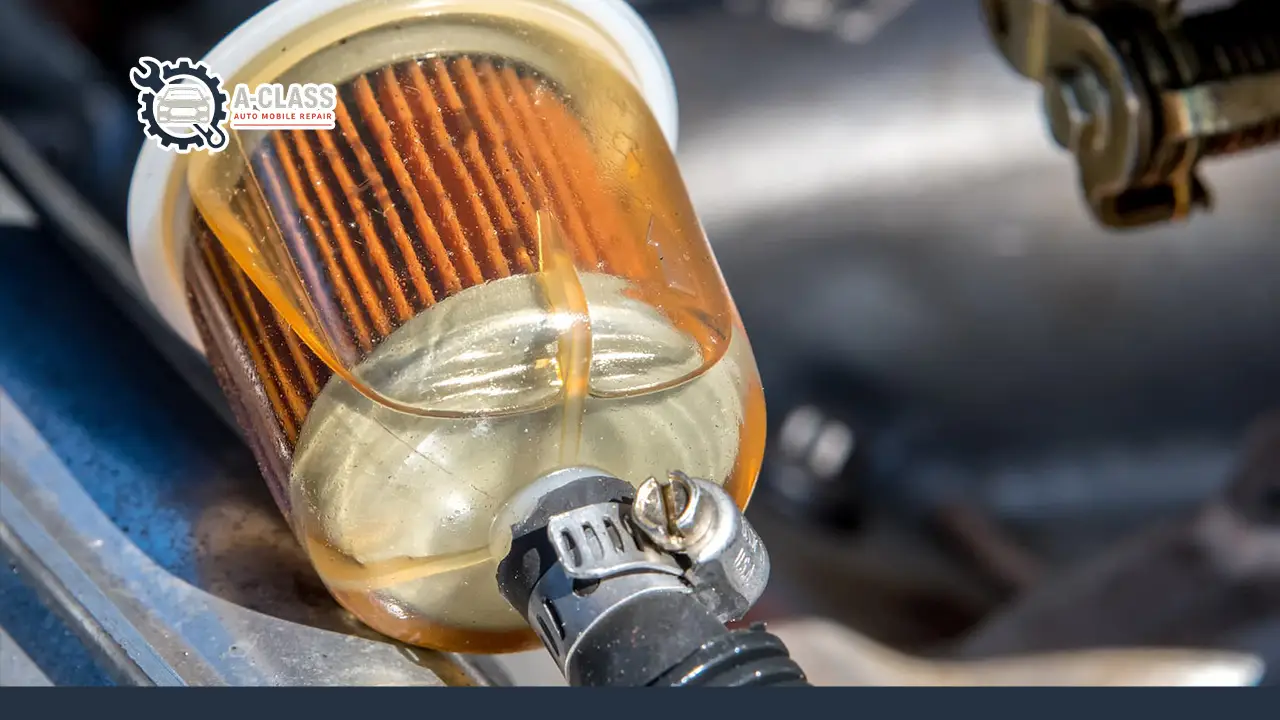
Top Symptoms of a Clogged Fuel Filter
When your fuel filter is blocked by debris, the flow of gas or diesel is restricted, mimicking the effect of a kinked hose. Watch out for these red flags:
- Sluggish Acceleration & Power Loss: If your car feels like it is gasping for air when you press the gas pedal, the fuel filter is likely struggling to keep up with your engine’s fuel demand. You will usually notice this power loss most acutely when merging onto a highway, climbing a hill, or carrying a heavy load.
- Difficulty Starting (Hard Starts): A clogged filter makes it hard to build the necessary fuel pressure for combustion. You might notice your engine takes much longer to crank, or it may require multiple attempts before it finally fires up.
- Engine Stalling: As the fuel supply drops, your engine can literally run out of fuel. If the filter is severely restricted, your vehicle may stall unexpectedly while driving, sitting at a stoplight, or idling in traffic.
- Rough Idling or Misfires: For smooth operation, your engine needs a precise air-to-fuel mixture. A dirty filter causes uneven fuel flow, which leads to intense vibrations, a rough idle, or engine misfires while stationary.
- Check Engine Light: Your car’s computer will likely detect an abnormal drop in fuel pressure or an improper air-to-fuel ratio. This often triggers a Check Engine Light (frequently accompanied by a “lean system” trouble code, like P0171).
- Strain on the Fuel Pump: Because the filter is restricted, your car’s fuel pump has to work much harder to push fuel through the system. Over time, this extra strain can cause the fuel pump to fail completely, resulting in an expensive and inconvenient breakdown.
Early Fuel Filter Blockage Signs Before Engine Trouble
Early fuel filter blockage often presents subtle warning signs before severe engine trouble occurs. The most common fuel filter blockage signs include sluggish acceleration (especially on hills), frequent engine misfires, rough idling, and hard starts. Acting early prevents costly fuel pump strain and total engine breakdown.
Recognizing these subtle red flags can help you address the issue before your vehicle requires expensive repairs or breaks down entirely. Paying attention to clogged fuel filter symptoms is key.
Key Early Warning Signs
- Sluggish Acceleration: Your car may hesitate or lag when you press the gas pedal, particularly when trying to pass another car or drive up a steep incline. The engine is gasping for fuel under high demand.
- Rough Idling: When stopped at a red light, the engine may feel unsteady, vibrate heavily, or sound like it is struggling to stay on.
- Engine Misfires: A restricted fuel flow can cause individual cylinders to misfire, resulting in a sudden jerky or stumbling sensation while driving.
- Hard Starting: The engine might crank for longer than usual before turning over, or it may start and then quickly die.
- Check Engine Light: The vehicle’s computer may detect a lean air-to-fuel ratio, resulting in a triggered or flashing dashboard light.
Hard to Start Car: Could the Fuel Filter Be the Cause?
Yes, a clogged or failing fuel filter is a very common cause of a hard-starting vehicle. By restricting the flow of fuel from the gas tank to the engine, it starves the combustion process, making the vehicle struggle to fire up or causing it to stall shortly after starting.
If you have a hard to start car fuel filter issue, it should be investigated immediately.
Why a Fuel Filter Causes Starting Issues
- Fuel Starvation: Your engine requires a precise mix of air and fuel. A dirty filter chokes the fuel supply, creating a “lean” air-to-fuel ratio that is too weak to ignite properly when you turn the key.
- Extended Cranking: Instead of starting immediately, the engine may crank for a long time while the fuel pump struggles to build enough pressure to push fuel past the blockage. Always monitor for clogged fuel filter symptoms.
- Increased Pump Strain: Constantly fighting a restricted filter can force your electric fuel pump to overwork, potentially causing premature pump failure.
Other Signs of a Bad Fuel Filter
If your filter is failing, you will likely notice other drivability symptoms before or alongside the hard starts:
- Engine Misfires or Rough Idling: Lack of steady fuel flow can make the engine idle unevenly or shake.
- Hesitation and Stunting: Your car may stutter or “gasp” for air when you press the gas pedal, particularly under heavy loads or during rapid acceleration.
- Loss of Power: You might notice a drop in power when driving uphill or hauling heavy items.
- Engine Stalling: The vehicle might die unexpectedly while idling or slowing down at a stoplight.
Engine Sputtering Fuel Filter: Why Your Car Hesitates
When your engine sputters and hesitates, a clogged fuel filter is often the prime suspect. It restricts the smooth flow of gas to your engine.
While the car might idle okay, stepping on the gas starves the engine of the extra fuel needed to accelerate. Experiencing an engine sputtering fuel filter problem requires prompt attention.
Why the Sputtering Happens
When you press the accelerator, your car’s computer demands more fuel for a burst of power. If your fuel filter is choked with dirt and debris, it acts like a pinched straw.
- Fuel Starvation: The fuel pump pushes gas, but the dirty filter prevents the necessary volume from passing through.
- Misfires: Without enough fuel, the air-to-fuel ratio in the combustion chamber drops. This causes cylinders to misfire, which you feel as a sudden jerk, sputter, or hesitation.
- Load Struggles: The hesitation is usually most noticeable when driving uphill or carrying heavy loads because the engine is working harder and needs maximum fuel.
Common Symptoms of a Bad Fuel Filter
A sputtering engine is rarely an isolated symptom. You will likely notice a combination of the following red flags that mirror classic clogged fuel filter symptoms:
- Power Loss: The vehicle feels sluggish, gasping for air when you attempt to pass another car.
- Rough Idling: Uneven fuel delivery causes the vehicle to shake or vibrate while stopped at a red light.
- Hard Starts: The engine cranks for an unusually long time before starting because there isn’t enough pressurized fuel to catch a spark.
- Sudden Stalling: The engine abruptly dies at low speeds or when coming to a stop.
Dirty Fuel Filter Effects on Engine Performance
A dirty or clogged fuel filter starves your engine of the fuel it needs, resulting in sluggish acceleration, engine misfires, rough idling, and sudden stalling.
Over time, these dirty fuel filter effects force the electric fuel pump to work harder, which can lead to overheating and expensive component failures.
The effects of a restricted fuel supply impact your vehicle’s performance in several specific ways:
- Sluggish Acceleration & Power Loss: When you press the gas pedal, the engine demands a larger volume of fuel to increase speed or tow heavy loads. A clogged filter acts like a blocked straw, restricting flow and resulting in a weak, unresponsive feeling. The vehicle may hesitate or gasp for power, particularly when driving uphill or attempting to pass another car.
- Rough Idling & Engine Misfires: To run smoothly, an engine requires a precise mixture of air and fuel. A dirty filter creates an uneven flow, disrupting this balance and causing the engine to run lean (too much air, not enough fuel). This imbalance leads to vibrations, a rough-sounding idle (outside the normal 600 to 1,000 RPM range), and occasional cylinder misfires.
- Engine Stalling: Stalling often happens at low speeds, at stoplights, or shortly after startup. The filter might allow just enough fuel to keep the engine alive while idling, but the moment you demand more fuel—or if the flow temporarily drops—the engine starves and abruptly shuts off.
- Hard Starts or No-Start Conditions: In severe cases, a completely blocked filter prevents enough fuel from reaching the combustion chamber to ignite the engine. You may experience extended periods of cranking before the engine catches, or the vehicle may simply fail to turn over entirely.
- Reduced Fuel Economy: While it sounds counterintuitive, restricted fuel flow often causes the engine to burn fuel less efficiently. Because the engine and fuel pump are forced to work much harder to pull fuel through the debris, the overall miles per gallon (MPG) drops, resulting in more frequent trips to the gas station.
- Strain on the Fuel Pump: A heavily restricted filter puts continuous, intense strain on your vehicle’s electric fuel pump. If ignored, the pump will eventually overheat and fail, leading to a breakdown and a costly repair bill.
A clogged fuel filter disrupts your engine’s air-fuel ratio, forcing the vehicle to consume more fuel to maintain performance while accelerating or climbing hills. This inefficiency leads to a noticeable drop in your vehicle’s overall fuel economy.
Need a fast and reliable mobile mechanic in Houston Texas? A-Class Auto offers 24/7 mobile auto repair with 47+ expert mechanics & 8+ years of experience. Call now!
Call NowHow a Clogged Fuel Filter Affects Fuel Economy
- Engine Compensation: A restricted filter forces the vehicle’s computer to compensate for the weak fuel supply, which is one of the hidden clogged fuel filter symptoms.
- Rich/Lean Imbalances: The engine receives uneven fuel delivery, burning gasoline less efficiently during combustion.
- Higher RPM Demands: Drivers must press the gas pedal down further to achieve standard acceleration.
- Increased Pump Load: The electric fuel pump draws more electrical current to push fuel through the blockage, putting a higher load on the alternator and engine.
What Causes Fuel Filter Blockage in Modern Cars?
- Contaminated Fuel: Gas station storage tanks can accumulate dirt, rust, and water that transfer directly into your vehicle.
- Fuel Tank Corrosion: Moisture inside older or poorly maintained metal fuel tanks causes internal rust flakes to break loose.
- Biofuel Degradation: Ethanol-blended fuels attract water over time, creating a gummy slime or gel-like buildup in the tank.
- Debris from the Pump: Wear and tear on the fuel pump’s internal components can shed microscopic metallic particles into the filter.
- Infrequent Maintenance: Neglecting standard service intervals allows normal particulate matter to accumulate until the filter element is fully saturated.
Fuel Pump vs Fuel Filter Problems: Spot the Difference
| Symptom | Clogged Fuel Filter | Failing Fuel Pump |
| Whining Noise | No sound changes come from the rear of the vehicle. | A loud, high-pitched whining or buzzing noise echoes from the fuel tank area. |
| Sputtering at High Speeds | Happens consistently under heavy acceleration or when driving uphill. | Occurs randomly at cruising speeds, even on flat roads, followed by sudden power surges. |
| Starting Issues | The engine cranks normally but takes longer to start on the first try. | The vehicle cranks but will not start at all, or stalls immediately after starting. |
| Check Engine Light Codes | Commonly triggers lean fuel codes (e.g., P0171 or P0174). | May trigger low fuel rail pressure codes or electrical circuit codes (e.g., P0230). |
| Heat Sensitivity | Performance remains consistently poor regardless of how long the car has been running. | Symptoms worsen significantly after driving for 30+ minutes as the pump motor overheats. |
When a Clogged Fuel Filter Leads to Engine Stalling
- Under Heavy Acceleration: Pressing the gas pedal demands a sudden surge of fuel that cannot pass through the blocked filter mesh. Experiencing this is among the clearest clogged fuel filter symptoms.
- Climbing Steep Inclines: Driving uphill requires more engine power and fuel volume, causing the engine to starve and cut out.
- Coming to a Stop: Dropping from high speeds to a sudden idle can cause the fuel pressure to plummet faster than the system can regulate.
- Immediately After Starting: The engine may fire up using residual pressure but stall seconds later as continuous fuel flow fails to arrive.
How to Diagnose a Clogged Fuel Filter Step-by-Step
- Step 1: Check for a Check Engine Light: Scan the vehicle’s computer for lean fuel codes like P0171 or P0174.
- Step 2: Listen to the Fuel Pump: Turn the key to the “ON” position without cranking and listen for a brief 2-second hum from the gas tank.
- Step 3: Connect a Fuel Pressure Gauge: Attach a mechanical gauge to the fuel rail test port (Schrader valve) under the hood.
- Step 4: Take Static and Load Readings: Start the engine and compare the idling pressure against your vehicle’s factory specifications.
- Step 5: Perform an Acceleration Test: Rev the engine; if the pressure drops significantly below the idle reading, a restriction is present.
- Step 6: Perform a Blow Test (Alternative): If the filter is easily removable, remove it and blow through it; high resistance means it is clogged.
Fuel Filter Replacement: When and Why It Matters
- Standard Intervals: Replace the filter every 30,000 to 50,000 miles for older external filters, or as specified by your manual to ensure a timely fuel filter replacement.
- Lifetime Filters: Modern cars often use internal tank filters rated for 100,000+ miles, usually replaced alongside the pump.
- Protects Injectors: A fresh filter prevents microscopic debris from entering and clogging the highly precise, expensive fuel injectors.
- Saves the Fuel Pump: Changing the filter removes restriction, preventing the electric pump motor from overheating and burning out.
- Restores Performance: New filters ensure optimal fuel atomization, restoring lost horsepower and maximizing your fuel economy.
If you are trying to figure out if your filter is the root cause of a stall, consider the following details carefully.
Can You Drive with a Clogged Fuel Filter?
No, you should not drive with a clogged fuel filter because it can cause your engine to stall unexpectedly, potentially leaving you stranded or creating a dangerous driving situation in traffic. This is why addressing clogged fuel filter symptoms immediately is essential.
Risks of Driving with a Clogged Filter
- Sudden Stalling: Your car can lose power completely while moving, especially when accelerating, passing other vehicles, or driving uphill.
- Loss of Control: If the engine stalls while you are driving, you will instantly lose power steering and power braking assistance, making the vehicle difficult to control.
- Fuel Pump Burnout: A restricted filter forces the electric fuel pump to work twice as hard to push fuel through the blockage, causing it to overheat and fail prematurely.
- Engine Damage: Running the engine with a restricted fuel supply causes a “lean” air-fuel mixture, which generates excess internal heat and can lead to severe engine misfires or piston damage.
What to Do If You Must Drive a Short Distance
- Avoid Hard Acceleration: Press the gas pedal gently to keep the engine’s fuel demand as low as possible.
- Stay Off Highways: Stick to lower-speed side streets where it is safer to pull over if the engine suddenly cuts out.
- Turn Off Extra Loads: Avoid towing any trailers or carrying heavy cargo that forces the engine to burn more fuel.
- Head Straight to a Shop: Treat the vehicle as if it is on borrowed time and drive directly to a mechanic or auto parts store.
Don’t ignore the signs of a clogged fuel filter; address them early to protect your engine from sudden breakdowns and avoid expensive repair bills.
Wherever you are in Houston, our specialized team comes directly to you, providing expert mobile diagnostics right at your home or workplace.
Contact A-Class Auto today to book your appointment and let us get your vehicle running at its absolute best!
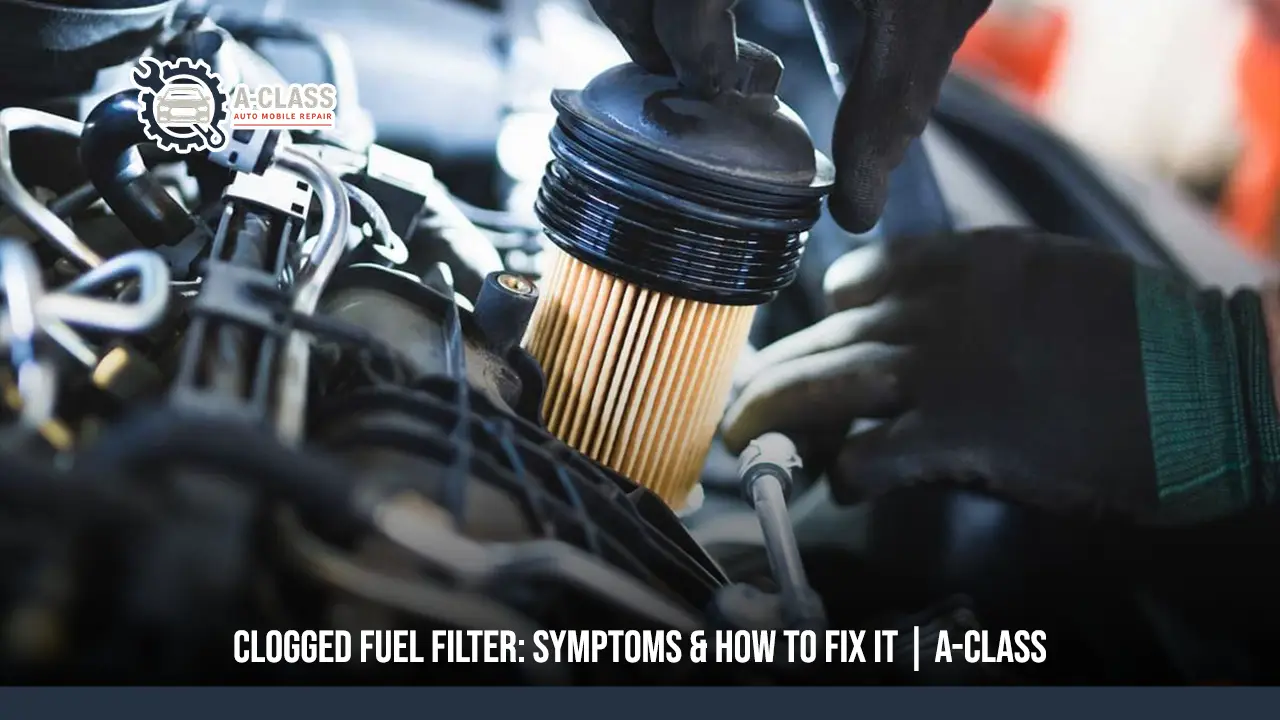
Frequently Asked Questions About Clogged Fuel Filter Symptoms
How do you unclog your fuel filter?
It is generally not recommended or even possible to unclog a modern automotive fuel filter. The internal paper or synthetic element is designed to trap microscopic debris permanently. Trying to blow it out or clean it can push contaminants into your engine or damage the filter media. The only safe, effective, and reliable fix is to completely replace the fuel filter with a new one.
Will a bad filter affect acceleration?
Yes, absolutely. A bad or restricted fuel filter starves the engine of the necessary gasoline required during high demand. This results in sluggish acceleration, a noticeable lack of power, and engine hesitation or sputtering when you press the gas pedal, especially when you are driving uphill or trying to merge onto a highway.
Does a Chevy Equinox have a fuel filter?
Yes, like all internal combustion vehicles, a Chevy Equinox has a fuel filter. However, in most modern Chevy Equinox models (and many other modern vehicles), the fuel filter is not an external, easily replaceable part. It is integrated directly into the fuel pump assembly inside the gas tank. It is considered a “lifetime” filter and is usually only replaced if the entire fuel pump module is being changed.
How does a car act when it needs a new fuel filter?
When a car needs a new fuel filter, it will exhibit classic clogged fuel filter symptoms such as sputtering, rough idling, and hesitation during acceleration. You will likely experience hard starts, sudden engine stalling while driving or stopped at traffic lights, and an illuminated Check Engine Light on your dashboard due to a lean fuel mixture.