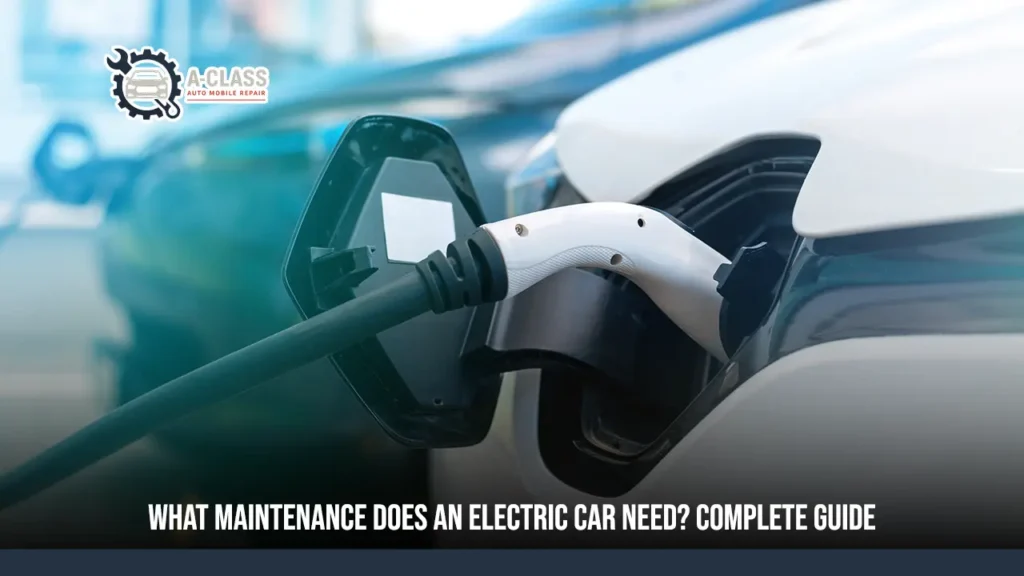
Regular vehicle maintenance for an electric car includes tire rotation and replacement, air filter changes, brake fluid service, and battery replacement. Software updates, system checks, coolant monitoring, and wiper replacement help maintain efficiency.
What Are the Types of Maintenance an Electric Car Needs?
- Tires: Electric cars are heavier, so tires wear out faster. Rotate them every 7,000–9,000 miles.
- Tire Pressure & Wheel Alignment: Check regularly to maintain driving range and stable handling.
- Brakes: Regenerative braking reduces wear, so brakes can last 90,000 miles or more.
- Brake Fluid: Replace every 2 years or about 25,000 miles.
- General Inspections: Check for rust or stuck brake parts, especially in winter or coastal areas.
- Cabin Air Filter: Replace every 18,000 miles or 2 years.
- Wipers & Washer Fluid: Change wipers every 6–12 months and refill fluid when needed.
- Battery Management: Regular diagnostics help keep the battery healthy and extend its life.
Why Electric Car Maintenance Is Different From Gas Cars
Maintaining an electric vehicle (EV) differs significantly from servicing a gasoline-powered car, mainly due to simpler mechanical systems and a stronger reliance on software features.
This distinction has made electric car maintenance vs gas clearly less expensive and less frequent, The difference is evident in:
| Aspect | Electric Vehicles (EVs) | Gasoline Vehicles (ICE) |
| Mechanical Parts | ~15–25 moving parts in the drivetrain | 2,000+ moving parts (engine, belts, valves, fuel systems, etc.) |
| Oil Changes | Not required (no engine oil) | Required regularly |
| Spark Plugs & Belts | Not needed | Routine replacement needed |
| Exhaust System | None | Includes mufflers, catalytic converters, oxygen sensors |
| Fuel System | No fuel pump or injectors | Requires cleaning and maintenance |
| Braking System | Regenerative braking reduces wear—pads may last 100,000+ miles | Pads and rotors wear faster due to full reliance on friction |
| Brake Fluid | Less frequent changes (approx. every 2 years) | More regular flushing required |
| Coolant | Focused on battery and electronics, longer service intervals | Cools the engine, requires frequent top-ups and replacement |
| Air Filters | Cabin air filter only | Cabin + engine air filters |
| Tires | Faster wear due to weight and torque | Moderate wear |
| Suspension | Heavier load may require more frequent inspections | Standard wear |
| Software Updates | OTA updates for performance, fixes, features | Most updates require service center visits |
| General Maintenance Frequency | Lower overall frequency | Higher, more routine service required |
| Typical Service Cost (2026) | $150–$300 per year | $900+ per year |
Electric Car Battery Maintenance and Care
Proper battery care is essential for maintaining performance, extending battery lifespan, and reducing long-term maintenance costs.
Following these simple battery care tips helps keep your electric vehicle reliable and efficient:
- Maintain a Healthy Charging Range: Keep the battery charge between 25% and 80% during daily use to slow down long-term battery degradation.
- Avoid Frequent Full Charges: Charging to 100% too often can stress the battery. Full charging should only be done when necessary or if recommended for specific battery types.
- Limit Fast Charging When Possible: Frequent use of fast charging can increase battery wear over time. Use it mainly for long trips or when time is limited.
- Protect the Battery from Extreme Heat: Park in shaded or cool areas during hot weather to reduce thermal stress and protect battery capacity.
- Monitor Battery Health Regularly: Request a battery health diagnostic check once a year to detect early signs of degradation and ensure optimal performance.
Brake Maintenance for Electric Vehicles
Proper brake care helps maintain safety and reduce maintenance costs. Follow these simple brake care tips to keep your electric vehicle’s braking system in excellent condition:
- Use Regenerative Braking Wisely:Regenerative braking reduces brake pad wear and helps extend the overall life of the braking system.
- Monitor Brake Pad Condition:Because friction use is lower, brake pads can last over 100,000 miles, but they should still be checked regularly.
- Replace Brake Fluid on Schedule: Change brake fluid every 2 years to prevent moisture buildup and ensure safe braking.
- Keep Brake Rotors Clean: Clean and lubricate brake rotors once a year to prevent rust and surface damage.
- Apply Friction Brakes Occasionally: Using traditional brakes from time to time helps keep rotors clean and prevents corrosion.
Tire Maintenance for Electric Cars
Electric vehicles put extra stress on tires due to their weight and instant torque. These tire care tips help improve safety, efficiency, and tire lifespan:
- Rotate Tires Regularly: Rotate tires every 5,000–7,000 miles to maintain even tread wear.
- Check Tire Pressure Monthly: Proper tire pressure helps maintain driving range and prevents premature tire wear.
- Inspect Wheel Alignment Annually: Have wheel alignment checked once a year or if the vehicle pulls to one side.
- Choose EV-Rated Tires: Use tires designed for electric vehicles to handle extra weight and improve performance.
- Watch for Accelerated Tire Wear: EV torque and weight can increase tire wear, so inspect tires more frequently than gas cars.
Cooling System and Thermal Management Maintenance
Proper cooling system care is essential for protecting the battery and electronic components from overheating.
Following these practical maintenance tips can help prevent long-term damage and costly repairs:
Monitor Coolant Condition Regularly: Check the coolant for proper level and clarity, and watch for any leaks or discoloration that may indicate a problem.
Replace Coolant on Time: Change the coolant every 100,000–150,000 miles or every 5–7 years, depending on the vehicle manufacturer’s recommendations.
Pay Attention to Warning Signs: Never ignore temperature warnings, dashboard alerts, or unusually loud cooling fans, as these may signal overheating issues.
Avoid Extreme Heat Exposure: Whenever possible, park in shaded or cooler areas to reduce thermal stress on the battery and cooling system.
Schedule Professional Cooling System Checks: Using a mobile mechanic service makes it easy to inspect the cooling system, check coolant health, and diagnose thermal issues without visiting a service center.
Need a fast and reliable mobile mechanic in Houston Texas? A-Class Auto offers 24/7 mobile auto repair with 47+ expert mechanics & 8+ years of experience. Call now!
Call NowSoftware Updates and System Diagnostics
Software plays a critical role in electric vehicle performance. Use these smart maintenance tips to keep systems running smoothly:
1. Keep Vehicle Software Updated Regularly
Enable automatic over-the-air (OTA) updates to receive performance improvements, safety patches, and system enhancements without visiting a service center.
2. Follow a Software Maintenance Schedule
Software updates and system checks should be part of your overall car maintenance schedule, focusing specifically on electronic systems, diagnostics, and software performance.
3. Monitor System Performance After Updates
Pay attention to changes in acceleration, driving range, dashboard alerts, or system behavior after updates, as these may indicate software-related issues.
4. Schedule Annual System Diagnostics
Have a certified EV technician perform a full electronic and software diagnostic once a year to ensure all vehicle systems are functioning correctly.
5.Use Mobile Diagnostics for Convenience
A mobile mechanic service can provide convenient on-site diagnostics, software checks, and system updates without the need for a dealership visit.
6.Reduce the Average Car Maintenance Cost
Keeping vehicle software updated and detecting issues early helps lower the average car maintenance cost by preventing larger electronic or system failures.
Electric Car Maintenance by Mileage
Electric car maintenance needs vary by mileage. This schedule helps maintain performance and safety while avoiding unexpected issues:
1.Every 7,000 to 8,000 miles
Tire rotation is essential due to instant torque. Perform a general inspection covering lights, wipers, washer fluid, and a visual brake system check.
2.Every 14,000 to 16,000 miles or once per year
Run a battery health diagnostic, replace the cabin air filter, check wheel alignment, and complete a full software system scan.
3. Every 28,000 to 32,000 miles or every two years
Replace brake fluid to prevent moisture buildup. Conduct a detailed inspection of suspension components, high-voltage cables, and replace worn wiper blades.
4. Around 100,000 miles
Inspect or replace electric drive unit fluid and long-life battery coolant depending on the EV model and manufacturer guidance.
5. Helpful maintenance tip
Keeping a consistent inspection schedule helps prevent minor issues from affecting range, safety, or battery performance.
Electric Car Maintenance Costs Compared to Gas Cars
Maintenance costs between electric cars and gas-powered vehicles differ due to design, components, and service requirements.
The table below highlights the main differences in maintenance needs and cost-related factors without focusing on specific prices:
| Aspect | Electric Cars (EVs) | Gas Cars |
| Maintenance Frequency | Less frequent due to fewer moving parts | More frequent because of engine-related services |
| Cost per Mile | Lower, with fewer service procedures per mile | Higher due to regular engine maintenance |
| Routine Services | Mainly inspections, tire care, and software updates | Oil changes, belt replacements, exhaust maintenance |
| Mechanical Parts | Very few moving components | Hundreds to thousands of moving engine parts |
| Fluid Requirements | Limited to brake fluid, coolant, washer fluid | Multiple fluids including engine oil and transmission fluid |
| Long-Term Ownership | Lower maintenance needs over time | Higher maintenance demands as the car ages |
| Collision Repairs | Can be complex due to electronics and battery systems | Generally mechanical and more familiar repairs |
Common Electric Car Maintenance Myths
Myth: Electric cars don’t use any fluids
While EVs do not require engine oil, they still rely on essential fluids such as brake fluid, thermal coolant for battery temperature control, and windshield washer fluid.
Myth: Electric vehicles are completely maintenance-free
Although EVs have fewer moving parts, their higher weight and instant torque mean that tires, brakes, and suspension components must be inspected on a regular basis.
Myth: Battery replacement is a normal maintenance expense
Modern EV batteries are engineered to last longer than the vehicle’s structure itself. Replacing the battery is considered a rare repair, not part of routine maintenance.
What Happens If You Skip Electric Car Maintenance?
Reduced Driving Range
Ignoring tire pressure checks or skipping software updates can increase energy consumption and reduce the distance traveled per charge.
Safety Concerns
Because electric cars are heavier than traditional vehicles, worn suspension parts or neglected brakes can result in longer stopping distances and reduced vehicle control.
Battery Performance Loss
Failing to maintain the cooling system or ignoring software-managed thermal controls may cause permanent battery capacity degradation over time.
Warranty Issues
Most manufacturers require documented, scheduled inspections, Skipping maintenance can lead to partial or complete loss of the battery warranty, which typically lasts 8–10 years.
Frequently Asked Questions
Do Electric Cars Need Oil Changes?
No. Electric vehicles do not use internal combustion engines, so engine oil changes are unnecessary.
However, some models contain a small amount of lubricant in the reduction gearbox, which may require inspection or replacement after approximately 90,000–100,000 miles.
How Often Does an Electric Car Need Maintenance?
Most EVs require a basic service every 8,000–12,000 miles, mainly for tire rotation and general inspections.
A more comprehensive service is usually needed every two years or around 25,000 miles, which may include replacing cabin filters and brake fluid.
Is Electric Car Maintenance Cheaper Than Gas Cars?
Yes. By 2026, maintaining an electric car typically costs 35%–50% less than a gasoline vehicle.
This is largely due to the absence of oil changes, spark plugs, and timing belts, as well as reduced brake wear from regenerative braking systems.
How Long Does an Electric Car Battery Last?
Most modern EV batteries are designed to last between 15 and 20 years, or roughly 150,000 to 300,000 miles.
Manufacturers usually provide an 8–10 year battery warranty, guaranteeing at least 70% of the original battery capacity.
Can Any Mechanic Service an Electric Car?
Not entirely. While general mechanics can handle basic tasks such as tire replacement or wiper blade changes, servicing high-voltage components, batteries, and advanced thermal systems requires specialized training and certified equipment.
Using a certified EV technician is strongly recommended.