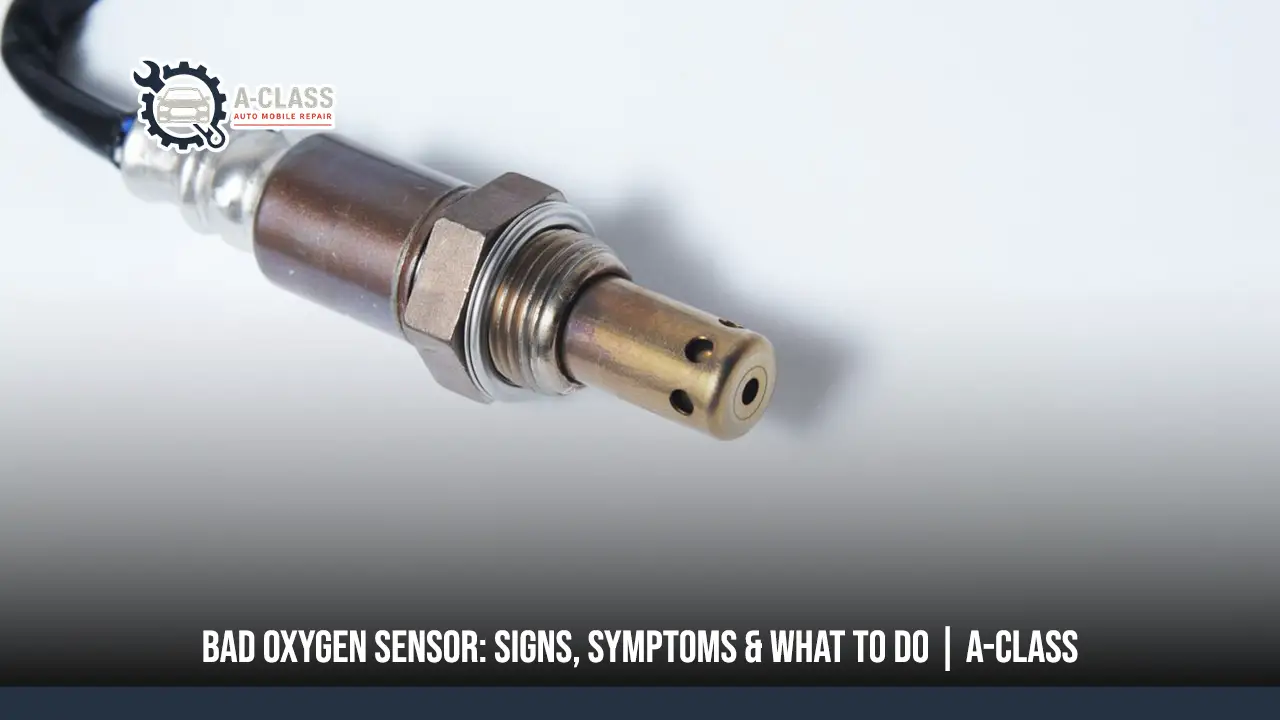
Bad oxygen sensor symptoms often include poor fuel economy, rough idling, engine misfires, and a glowing check engine light. A failing oxygen sensor can also cause slow acceleration, strong exhaust odors, and an incorrect air-fuel mixture that puts extra stress on the engine and catalytic converter. Ignoring these warning signs may lead to expensive exhaust system damage and reduced vehicle performance over time.
Bad Oxygen Sensor Symptoms You Should Never Ignore
Recognizing the warning signals your vehicle sends is highly crucial for maintaining engine health and avoiding sudden roadside breakdowns. The most critical indicators that require your immediate attention and quick intervention are:
- Thick Black Smoke from the Exhaust: When the monitor fails to read oxygen levels correctly, the engine might pump massive amounts of unnecessary fuel, leading to incomplete combustion and visible dark smoke trailing behind your car.
- Pungent Rotten Egg or Sulfur Smell: Unburned fuel traveling down into the exhaust system causes a severe buildup of sulfur compounds inside the catalytic converter, which produces a highly noticeable and offensive odor.
- Severe Loss of Throttle Response: Your car’s electronic brain relies on precise readings to deliver the perfect mix of air and gas, and without this data, the vehicle will feel incredibly heavy and sluggish when you try to accelerate on highways.
- Consistent Failure in Emissions Tests: Since the primary function of this exact component is to monitor and regulate harmful greenhouse gases, even a minor glitch will instantly cause your vehicle to fail official state environmental inspections.
- Sudden Engine Stalling at Low Speeds: In advanced cases where the combustion mixture balance is completely thrown off, the engine might lose its ability to stay running, causing it to shut down abruptly while waiting at traffic lights.
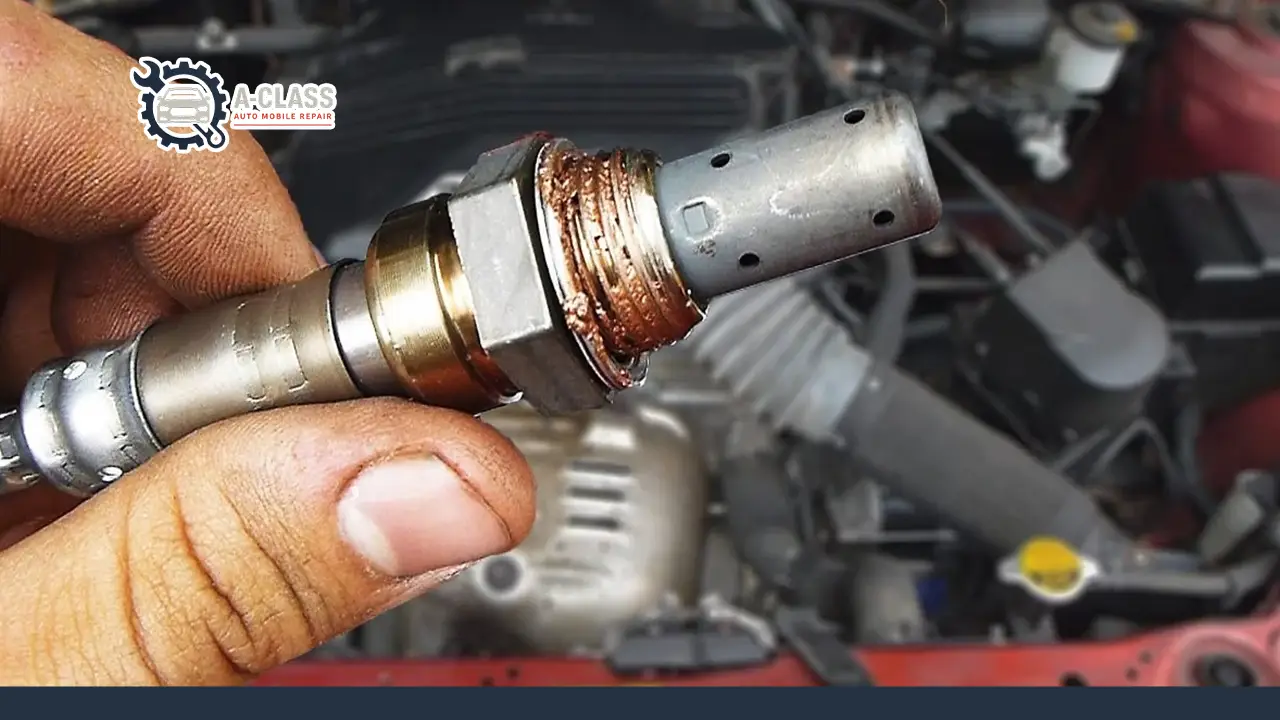
Early Bad Oxygen Sensor Symptoms
Discovering minor issues before they escalate into massive mechanical failures can save you a tremendous amount of money, effort, and time. Here are the subtle signs you must watch closely before things get worse:
1. Slight Hesitation Upon Acceleration
You might notice a very brief delay or a mild stutter the exact moment you press the gas pedal from a complete stop. This happens because the internal computer momentarily struggles to calculate the precise fuel volume required to move efficiently.
2. Minor Change in Exhaust Tone
The sound coming from the rear of your car begins to alter, becoming slightly louder or more irregular compared to its usual smooth purr. This minor acoustic shift is caused by the combustion process not happening evenly inside the engine chambers.
3. Gradual and Unnoticed Power Loss
Your car will not stop suddenly, but over the weeks, you will feel it no longer possesses the same pep and vigor it once had. The engine power slowly degrades because the system relies on inaccurate, estimated data to compensate for the missing live readings.
4. Unusual Heat Around the Underbelly
Due to unbalanced amounts of fuel burning in places it shouldn’t, the temperature of the lower exhaust pipes rises significantly over time. You can sometimes feel this excessive, radiating heat if you stand close to the vehicle after a very short drive around town.
5. Black Soot Buildup on the Tailpipe
If you wipe the inside of the rear exhaust tip with a tissue and notice a thick layer of dry black soot, consider it an early warning. This rapid buildup indicates that your vehicle is continuously burning slightly more gas than the normal factory rate.
O2 Sensor Failure Signs
This tiny component is deeply connected to your car’s beating heart, and any defect instantly reflects on how the vehicle behaves on the road. The most prominent O2 sensor failure signs that destroy your driving experience are:
- Entering the Pre-Programmed Limp Mode: When the computer entirely loses communication with the sensor, it automatically restricts the vehicle’s speed and engine power to protect internal parts from self-destruction caused by erratic combustion. This behavior is often confirmed during car electrical diagnostics.
- Unexpected and Sudden Forward Surging: You might experience a scary sensation where the car forcefully lunges forward for a second and then pulls back, heavily caused by pumping fluctuating, irregular amounts of fuel while driving at steady speeds.
- Loud Metallic Pinging Noises from the Engine: A lack of fuel in the combustion mixture leads to a phenomenon known as pre-ignition or engine knocking, emitting loud metallic clattering sounds that indicate the internal pistons are under abnormal stress.
- Extreme Difficulty Shifting Gears Smoothly: Because the engine’s power output is heavily fluctuating, the automatic transmission struggles immensely to determine the perfect time to switch to the next gear, making the shifting process harsh and uncomfortable.
- Total Inability to Tow Loads or Climb Hills: When you desperately need extra power to ascend a steep incline, the system will completely fail to provide the necessary rich fuel mixture, causing the car to fall back and violently struggle to finish the climb.
Check Engine Light O2 Sensor: Is It the Real Cause?
When the annoying orange symbol illuminates on your dashboard, the first suspect is usually this delicate sensor, but verification is necessary to avoid replacing good parts. Here is how to handle a check engine light O2 sensor code and understand its actual root causes:
1. Reading the Electronic Diagnostic Codes (OBD2)
Reading the Electronic Diagnostic Codes (OBD2): The first and most critical step is using a scanning tool to read the specific codes (like P0131 to P0175) stored in the computer’s memory, which is a key step in understanding common check engine light causes.
2. Ruling Out Vacuum Hose Leaks
Very often, unmetered external air enters the engine through cracked rubber hoses, trickling down and creating an absolute illusion of a sensor problem. The warning light triggers pointing to the exhaust, but the root cause is just a simple air leak needing a quick patch.
3. Checking the Mass Air Flow (MAF) Sensor
If the unit measuring the clean air entering the car is dirty or broken, it sends false information that completely ruins the fuel mixture upfront. The oxygen monitor detects this chaotic mix and triggers the light, even though it is perfectly doing its assigned job.
4. Inspecting Burned Wires and Connections
Because this part is installed extremely close to the scorching hot exhaust pipes, the connecting wires can easily melt or touch bare metal over time. This electrical short circuit instantly triggers the dashboard warning, and the actual fix is repairing the copper wire, not the sensor.
5. Looking for Exhaust System Pinhole Leaks
Any tiny crack or hole in the exhaust piping right before the sensor’s physical location will allow fresh outside air to sneak in and corrupt the readings. The system then falsely believes the engine is running too lean and turns on the light demanding immediate mechanical intervention.
Why a Poor Fuel Economy Oxygen Sensor is wasting gas?
If you notice that your gasoline budget has skyrocketed noticeably lately, the emissions measurement system is highly likely the hidden culprit. Here is exactly how a poor fuel economy oxygen sensor ends up wasting your hard-earned money at the pump:
- Over-Relying on a Permanent Rich Fuel Mixture: When this issue happens, it can trigger severe fuel waste and poor combustion, and in many cases a mobile mechanic houston tx can diagnose the problem on-site by checking fuel trims and oxygen sensor performance before it leads to higher fuel consumption and engine inefficiency.
- Declining Efficiency of Gasoline Droplet Combustion: Instead of converting every single drop of fuel into driving kinetic energy, a massive portion gets dumped without being fully burned, exiting through the tailpipe as wasted garbage you cannot utilize.
- Heavy Carbon Buildup on the Spark Plugs: The continuous excess fuel leaves a thick black coating that entirely insulates the spark plugs and weakens their spark, causing the engine to demand even more gas just to stay running in a vicious cycle.
- Increased Frequency of Weekly Gas Station Visits: You will clearly observe that a full tank of gas that used to last you several days is now depleting in a much shorter time over the exact same distances, heavily indicating a total loss of efficiency.
- Exhausting the Fuel Pump Through Continuous Work: Constantly pumping highly unnecessary amounts of fuel places a massive, continuous strain on the electric pump inside the gas tank, heavily reducing its lifespan and risking a secondary expensive breakdown.
Why a Rough Idle Oxygen Sensor makes your engine unstable?
Sitting in your parked car should feel calm and completely smooth, but when the air sensors fail, this quietness turns into an annoying, worrying shake. Here are the main reasons why a rough idle oxygen sensor issue destroys your engine’s stability:
1. Fluctuating Engine RPM Needle
Instead of sitting perfectly still at a steady number while parked, you will notice the tachometer needle randomly bouncing up and down. The internal computer is desperately trying to find the lost balance between air and gas, causing this continuous surging behavior.
2. Noticeable Vibrations in the Steering Wheel
The internal chaos happening during the combustion process travels straight through the rubber engine mounts and directly into your hands. You will feel a strong, continuous tremor in the steering wheel, especially when the car is in drive and your foot is resting on the brake.
3. Violent Shaking During Cold Morning Starts
In the early morning, the engine needs highly precise data to reach its optimal operating temperature as quickly and safely as possible. A broken sensor completely fails to provide these guidelines, making the first few minutes of running incredibly harsh and violently shaky.
4. Sensation of Choking When Temporarily Stopped
When waiting at a red traffic light, you might feel as if your vehicle is physically choking or taking staggered breaths and is about to stall out. This specific condition is directly caused by a sharp drop in the air ratio versus an unjustified flood of gasoline into the chambers.
5. Irregular Exhaust Puffing Rhythm
If you stand behind the vehicle while it is idling, you will hear an irregular, sputtering sound coming directly out of the tailpipe. This highly inconsistent rhythm is absolute proof that the engine cylinders are not burning fuel with equal, synchronized efficiency.
What Causes Bad Oxygen Sensor Symptoms Suddenly?
Delicate electronic components do not just break down without a solid reason, and a sudden deterioration is often the result of harsh external factors. The main culprits that cause bad oxygen sensor symptoms to appear abruptly without any prior warning are:
- Filling the Tank with Contaminated or Low-Quality Gas: Cheap gasoline contains heavy impurities or high levels of lead and silicone that immediately coat the sensor’s tip, completely blinding it from reading the passing exhaust gases within just a few hours.
- Coolant Fluid Leaking Into the Combustion Chambers: If the head gasket blows and radiator water starts leaking and burning with the gasoline, it will produce highly toxic chemical gases that stick to the sensor and destroy its fragile internal structure rapidly.
- Physical Shocks from Hard Road Debris: The lower sensors are positioned very close to the ground, making them highly vulnerable to snapping off entirely if the car hits a large rock, a harsh speed bump, or solid road debris while driving at high speeds.
- Overusing Aggressive Fuel System Cleaners: Some drivers exaggerate the use of highly potent chemical additives to clean the fuel injectors, and when these harsh chemicals burn, they leave corrosive residues that melt and settle on the delicate sensing probes.
- Excessive and Sudden Spikes in Exhaust Heat: A massive malfunction in the engine timing that allows actual flames to shoot into the exhaust pipes will completely melt the sensor’s head, as it is designed to withstand hot gases, not direct, blazing fire.

Need a fast and reliable mobile mechanic in Houston Texas? A-Class Auto offers 24/7 mobile auto repair with 47+ expert mechanics & 8+ years of experience. Call now!
Call NowHow to Test O2 Sensor at Home?
You do not always have to pay hefty fees to repair shops for an initial diagnosis, as you can determine the health of this part using simple tools. Follow this how to test O2 sensor method using safe, sequential steps to find the truth:
1. Accurately Locating the Sensor
Most modern cars have at least two sensors; one before the catalytic converter to measure combustion and one after to check emission efficiency. Open the hood or look under the car to find a metal part resembling a spark plug with attached thick wires.
2. Comprehensive Visual Inspection
Before grabbing any digital meters, look closely for torn wires, signs of melted plastic, or a heavy buildup of white rust and crusty dirt on the body. Sometimes the physical damage is highly visible and does not require complex electrical measurements at all.
3. Setting Up the Digital Multimeter
Turn the dial on your digital testing device to the DC Volts setting, carefully adjusting it to the 1-volt or millivolt range for precision. Ensure that the vehicle is turned on and has fully reached its normal operating temperature before you begin taking any live readings.
4. Taking Live Voltage Readings
Connect the positive probe of the multimeter to the sensor’s signal wire, and ground the negative probe to the car’s bare metal chassis securely. A perfectly healthy sensor will display numbers rapidly and continuously fluctuating between 0.1 and 0.9 volts to reflect live exhaust changes.
5. Verifying the Internal Heater Circuit
Switch your multimeter to the Ohms (resistance) setting and test the two identically colored wires located on the sensor harness. You should read a steady resistance between 10 to 20 ohms; if the meter shows no reading at all, the internal heater is completely fried.
Can You Drive with Bad Oxygen Sensor Symptoms?
Many drivers wonder if ignoring these dashboard warnings and delaying the repair is a viable option during busy times. While technically you can keep driving with bad oxygen sensor symptoms, it carries silent risks and delayed disasters, mainly including:
- Total Destruction of the Catalytic Converter: The massive amount of excess fuel that fails to burn in the engine will head straight to ignite inside the catalytic converter, melting its precious internal metals and leaving you with a shockingly expensive repair bill.
- Severe Environmental Pollution and Legal Violations: Your car will essentially transform into a massive machine spewing toxic greenhouse gases and carbon monoxide into the air, directly harming the surrounding environment and causing respiratory issues for everyone nearby.
- Dangerous Risk of Stalling in Busy Intersections: Driving with a highly unstable and chaotic combustion system means the engine might decide to shut off at the worst possible moments, like crossing a major intersection, heavily threatening your direct, personal safety.
- Massively Reducing the Internal Engine Lifespan: The constant flood of excess gas washes away the delicate layer of oil protecting the cylinder walls from friction, drastically accelerating internal engine wear and making it age decades before its natural time.
- Daily Financial Bleeding Due to Wasted Gas: Every single day you drive the car with this defect, you are quite literally burning your cash out of the tailpipe, and the cost of wasted fuel over a few weeks easily exceeds buying a brand new sensor.
Bad Oxygen Sensor vs Other Engine Problems
The symptoms of this tiny component heavily overlap with many other engine issues, making accurate diagnosis a huge challenge for beginners. Here is exactly how you can differentiate it from other common faults with similar signs to avoid expensive confusion:
1. Failing or Fouled Spark Plugs
Bad spark plugs cause obvious engine sputtering and severe power loss, but they rarely ever cause a strong, pungent sulfur smell to emit, unlike common bad alternator symptoms that affect power stability differently. If your car’s issue is accompanied by black smoke and an unbearable rotten egg odor, the sensor is highly likely the main culprit.
2. Severely Clogged Fuel Injectors
Clogged injectors starve the engine of gasoline, causing a weak, trembling idle, whereas a broken exhaust monitor usually does the exact opposite by flooding the engine with gas. Scanning the live data will easily reveal if the mixture is running too lean or too rich.
3. Broken Mass Air Flow (MAF) Sensor
Both parts will trigger the check engine light and cause terrible gas mileage, but a faulty air sensor usually shows its ugly face immediately upon hard acceleration. Conversely, a bad exhaust monitor constantly affects the car’s stability even during quiet, standard idling.
4. Heavily Restricted Engine Air Filter
A filthy air filter chokes the incoming air, naturally creating a rich fuel mixture and producing thick black smoke from the exhaust. However, checking and replacing an air filter is drastically easier and cheaper, and should always be your very first step before blaming electronic sensors.
5. Hidden Exhaust Pipe Leaks
An exhaust leak introduces fresh air that tricks the monitor into giving completely false readings, making you think the part itself is broken. You can easily spot a physical leak by listening for a strange, ticking noise under the car that noticeably gets louder when you accelerate.
When Bad Oxygen Sensor Symptoms Become Dangerous
The consequences of ignoring broken parts do not stop at just a dashboard light or spending extra money on gas; they can evolve into a genuine threat. Reaching the late stages of bad oxygen sensor symptoms heavily warns of the following absolute disasters:
- The Catalytic Converter Glowing Fire Red: When the exhaust system is continuously flooded with unburned gas for extended periods, the converter’s temperature skyrockets to insane levels, making it glow bright red and posing a massive risk of igniting dry grass beneath the car.
- High Risk of Underbody Vehicle Fires: The uncontrollable, excessive heat can easily melt the protective paint and wire insulation surrounding the exhaust area, eventually allowing sparks to reach nearby fuel lines and causing a sudden, full-blown underbody fire.
- Toxic Exhaust Gases Leaking Into the Cabin: Due to abnormally high pressure and intense heat, cracks can easily form in the exhaust manifold, allowing deadly, odorless carbon monoxide to sneak into the passenger cabin through the A/C vents, causing silent suffocation.
- Internal Engine Parts Melting from Heat: In extreme cases, the chaotic air-to-fuel mixture raises the combustion chamber temperatures far beyond what the internal cooling system can handle, literally melting the tops of the metal pistons and completely destroying the engine block.
- Total Loss of Control on Fast Highways: If the vehicle’s internal computer decides to abruptly shut off the engine as a final protective measure while you are driving at sixty miles per hour, you will instantly lose power steering and braking assistance, placing you in a terrifying situation.
Ignoring bad oxygen sensor symptoms can lead to severe engine damage, drastically reduced fuel efficiency, and extremely costly catalytic converter replacements over time.
By recognizing the early warning signs and testing your exhaust system promptly, you can protect your vehicle and save hundreds of dollars at the fuel pump. Don’t wait for a complete breakdown—schedule a professional diagnostic check at your trusted local repair shop today to ensure a safe and smooth drive!
Fixing Bad Oxygen Sensor Symptoms
Once you confirm the source of the defect, a highly important question arises regarding the best and most economical solution; should you clean it or buy a new one? To determine the absolute correct path to eliminate this annoying issue permanently, consider these vital points:
1. Why Cleaning is Almost Always a Failure
Some people soak the part in harsh solvents to try and remove the thick carbon layers, but these aggressive chemicals seep inside and permanently destroy the fragile ceramic cells. Cleaning rarely solves the root issue and usually only works for a few days before failing again.
2. Choosing Original Equipment Manufacturer (OEM) Parts
You must always prioritize authentic, factory-recommended sensors over cheap aftermarket alternatives found online or in budget stores. Counterfeit parts often have a terribly slow response time and highly inaccurate readings, which guarantees the engine light will just turn back on within weeks.
3. The Importance of Replacing in Pairs
If your car has two upstream monitors and one fails simply due to natural aging and high mileage, it is economically and mechanically best to replace both simultaneously. This ensures perfectly balanced readings between both engine banks and prevents the other older unit from failing soon.
4. Using the Specific Removal Tool (O2 Socket)
Do not ever attempt to remove the old, stuck part using standard wrenches because they will easily strip the edges and make manual removal impossible. You must use a specially slotted O2 socket that safely clears the wires and provides massive torque to break the rusted threads loose.
5. Reprogramming the Electronic Brain After Installation
After successfully screwing in the brand new part, the dashboard warning light will almost never turn off by itself or reset automatically. You must plug in an OBD2 scanner to manually erase the old error codes from the computer’s memory, allowing the system to start relying on the fresh data.
Ignoring bad oxygen sensor symptoms can lead to severe engine damage, drastically reduced fuel efficiency, and extremely costly catalytic converter replacements over time. By recognizing the early warning signs and testing your exhaust system promptly, you can protect your vehicle and save hundreds of dollars at the fuel pump. Don’t wait for a complete breakdown—schedule a professional diagnostic check with A-Class Auto today to ensure a safe and smooth drive!
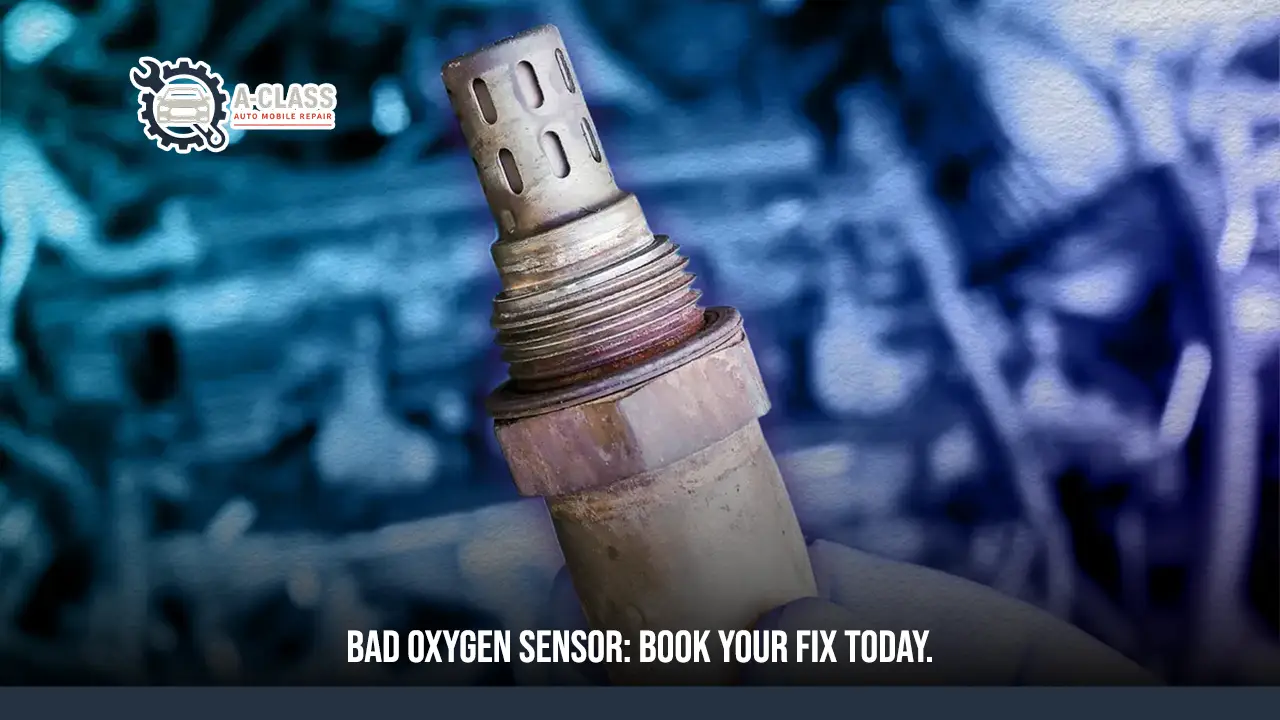
FAQs About Bad Oxygen Sensor Symptoms
What happens when the oxygen sensor goes bad?
When the sensor fails, your car’s computer can no longer accurately read the live air-to-fuel ratio, forcing it to guess the correct fuel mixture. This usually results in the engine running “rich” (burning too much fuel), causing black exhaust smoke, terrible gas mileage, a rough engine idle, and eventually triggering the dashboard check engine light.
How do I know if I have a bad O2 sensor or catalytic converter?
A bad O2 sensor typically causes poor fuel economy, erratic engine surging, and rough idling. In contrast, a failing catalytic converter often produces a distinct “rotten egg” sulfur smell, creates excessive heat under the vehicle, and causes a severe loss of engine power when accelerating. A professional diagnostic scan checking the live data of the downstream sensor is the most accurate way to tell them apart.
What does a bad oxygen sensor feel like?
Driving with a failing sensor feels incredibly jerky and unresponsive, as the vehicle will often hesitate or stutter the moment you press the gas pedal. You will likely experience a very rough, vibrating idle when stopped at traffic lights, and the car may randomly surge forward or lose momentum while cruising at a steady highway speed.
How does Houston’s extreme heat affect bad oxygen sensor symptoms?
The intense summer heat and high humidity in Houston can heavily accelerate the failure of already weakened oxygen sensors by placing extreme thermal stress on their internal heating circuits. High ambient temperatures, combined with heavy stop-and-go traffic on major highways like I-45 or the 610 Loop, can make symptoms like rough idling and sudden engine stalling much more frequent and pronounced.
Where can I fix bad oxygen sensor symptoms in Houston?
If you want to resolve these issues permanently, A-Class Auto provides specialized emissions and advanced electrical diagnostics across the Houston area. Rather than visiting standard quick-lube locations or dealing with random parts swaps, trusting a dedicated service center like A-Class Auto ensures your vehicle receives accurate troubleshooting and a reliable repair.