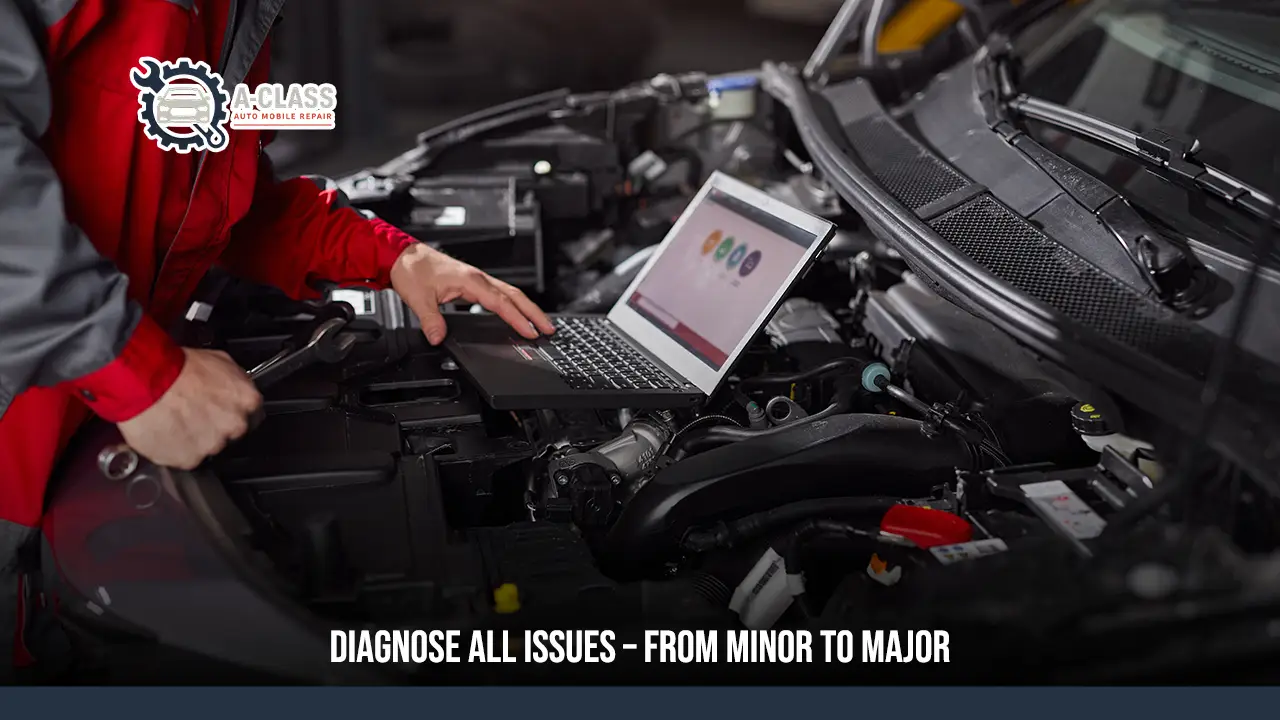

To master how to change oil in car, start by warming the engine to increase fluid mobility, then secure the vehicle on stands and remove the drain plug for a complete gravity drain. Next, perform an oil filter replacement by lubricating the new gasket and hand-tightening it to ensure a perfect seal.
Reinstall the drain plug using a new crush washer and refill the engine with the exact viscosity specified in your owner’s manual. Finally, start the engine briefly to circulate the fluid, then verify the level with the dipstick and inspect the undercarriage for leaks.
How Often Should You Change Car Oil
The definitive interval for most modern vehicles is every 5,000 to 7,500 miles or at least once every six months to prevent chemical degradation.
While timing can vary based on driving habits, keeping a strict schedule is the most critical factor for engine longevity, where it follows these specific standards:
- Full Synthetic Oil: This premium fluid allows for an extended interval of 7,500 to 10,000 miles due to its superior molecular stability.
- Conventional Mineral Oil: To avoid the formation of harmful sludge, this oil must be replaced every 3,000 to 5,000 miles without exception.
- Severe Operating Conditions: Driving in extreme heat or heavy stop-and-go traffic requires a more frequent schedule of every 3,000 miles to protect internal components.
- Low-Usage Vehicles: Even if the car is rarely driven, the oil should be changed every 6 months to eliminate moisture and acid buildup that occurs naturally over time.
Following a professional engine oil change guide ensures that you are replacing the fluid before it loses its ability to lubricate. At a-classauto, we prioritize these strict intervals to guarantee that your engine operates at its highest efficiency and remains protected against premature wear.
If you prefer professional assistance instead of a DIY approach, explore our expert car oil change service to ensure your engine receives certified care and precision handling.
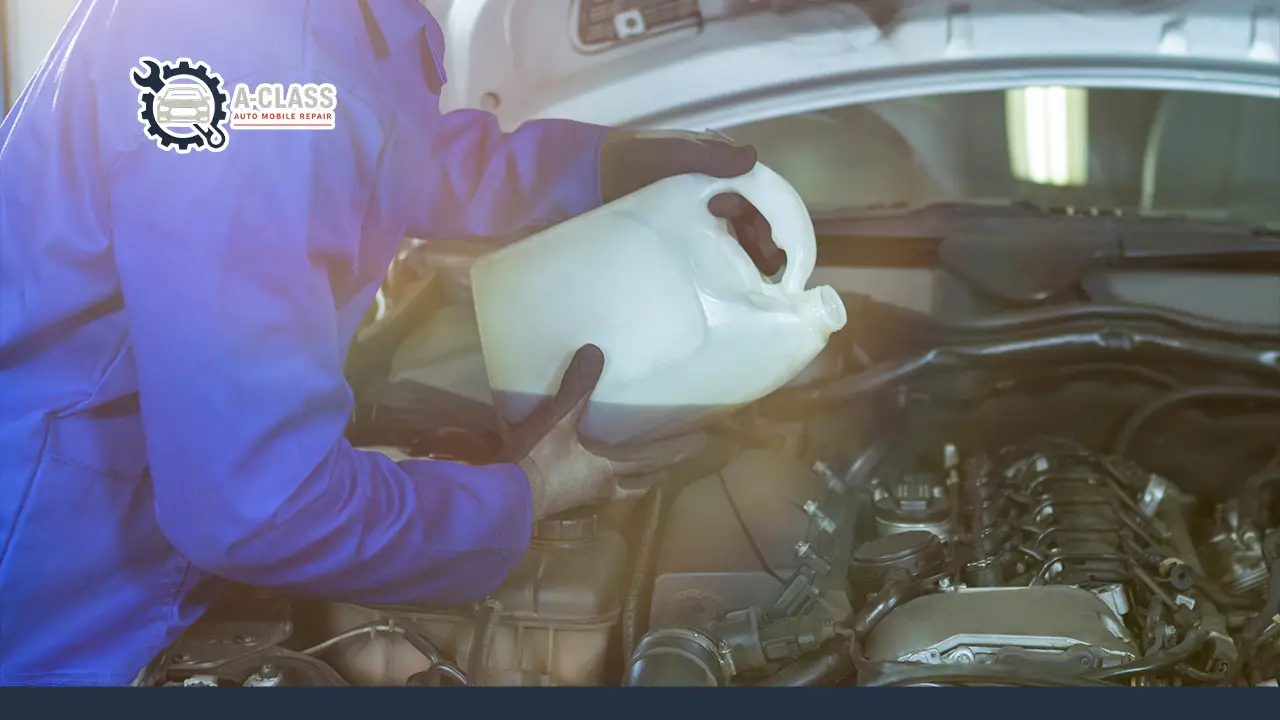
Signs Your Car Needs an Oil Change
Audible Ticking or Knocking
When fluid loses its viscosity, metal components begin to strike each other, creating a distinct rhythmic sound that signals a lack of protection.
Visual Oil Degradation
Fresh oil is translucent and amber; however, once it turns pitch black and develops a gritty texture, it is no longer capable of cleaning or cooling the engine.
Burning Odors
The smell of hot oil inside the cabin is a definitive sign of an external leak or extreme thermal breakdown where the fluid is scorching rather than lubricating.
Persistent Dashboard Lights
The appearance of the oil pressure warning or the check engine light indicates that sensors have detected a critical failure in the lubrication system.
Abnormal Exhaust Smoke
Blue or gray smoke from the tailpipe confirms that oil is bypassing worn seals and entering the combustion chamber.
Tools Needed to Change Car Oil
Attempting a DIY oil change requires a specific set of high-quality tools to ensure the service is performed safely and without damaging the vehicle’s hardware. At a-classauto, we recommend gathering the following definitive equipment list before starting:
- Metric Socket Set or Torque Wrench: Necessary for removing the drain plug and ensuring it is re-tightened to the exact manufacturer specifications.
- Filter Wrench: A specialized gripping tool required to unscrew the filter housing, which often becomes vacuum-sealed during engine operation.
- Low-Profile Drain Pan: A container with sufficient capacity to hold the entire volume of old fluid without spilling.
- Heavy-Duty Jack and Safety Stands: Critical for elevating the vehicle securely to provide enough clearance for the technician to work underneath.
- Clean Funnel: Essential for pouring fresh lubricant into the fill cap without creating a mess on the engine block.
- Protective Gear: Nitrile gloves and shop rags to protect against skin irritation and to clean the sealing surfaces.
Best Engine Oil for Your Car
Full Synthetic Oil
This is the superior choice for modern engines and extreme climates. It provides the highest thermal stability and molecular consistency, ensuring the fluid does not thin out under high pressure.
Conventional Mineral Oil
This remains the standard for older vehicle designs with simpler engine architectures. It is a cost-effective solution for drivers who strictly follow frequent maintenance intervals.
High-Mileage Blends
For vehicles that have surpassed 75,000 miles, these oils contain specific conditioners and additives designed to rejuvenate internal seals and prevent minor leaks.
How to Change Oil Filter
The oil filter replacement is a non-negotiable step in the maintenance process because a clogged filter will allow dirty oil to bypass the system and damage the engine. At a-classauto, we follow a precise protocol to ensure the new filter is sealed and functioning correctly:
- Locate and Remove: After the oil has been drained, use a specialized wrench to unscrew the old filter housing. Be prepared for a small amount of residual oil to escape during this step.
- Clean the Mounting Surface: Use a clean rag to wipe the engine block where the filter attaches. This ensures no old gasket material or debris interferes with the new seal.
- Lubricate the Gasket: Apply a thin layer of fresh oil to the rubber O-ring of the new filter. This prevents the seal from cracking or sticking during the next service.
- Hand Tighten: Screw the new filter on by hand until it is snug. Avoid using a wrench for tightening, as over-tightening can deform the gasket and cause high-pressure leaks.
How Much Oil Does a Car Need
The volume of lubricant required is strictly determined by the displacement and cylinder count of your engine. At a-classauto, we emphasize that using the precise amount is vital, as overfilling can cause foaming while underfilling leads to catastrophic friction,The definitive requirements generally fall into these categories:
- Four-Cylinder Engines: Typically require between 4 to 5 liters of fluid for a complete refill.
- Six-Cylinder (V6) Engines: Most of these powerplants utilize approximately 6 liters to maintain proper internal pressure.
- Eight-Cylinder (V8) Engines: Heavy-duty trucks and high-performance cars often demand 7 to 9 liters due to their larger internal surface area.
- Verification Method: Regardless of the manufacturer’s estimate, the only definitive way to confirm the level is by using the engine dipstick after the vehicle has reached its operating temperature.
Car Oil Change Cost Explained
The cost of this essential maintenance service is influenced by several technical factors rather than a single fixed rate. At a-classauto, we maintain complete transparency regarding these components to ensure you understand the value of the protection your engine receives:
- Fluid Type: High-performance full synthetic oils carry a higher cost due to their complex chemical engineering compared to basic mineral oils.
- Filter Specification: Luxury or heavy-duty vehicles often require specialized high-flow filters that use advanced synthetic media, which impacts the total service cost.
- Engine Volume: As established, larger engines require more liters of oil, which directly increases the material cost of the service.
- Expert Technical Labor: You are investing in the precision of a certified technician who inspects the vehicle for leaks, checks secondary fluids, and ensures the drain plug is torqued to exact specifications.
- Environmental Compliance: Professional services include the ethical collection and recycling of hazardous old fluid, protecting the local ecosystem from contamination.
DIY Oil Change Mistakes to Avoid
Even when you follow a guide to change car oil step by step, small technical oversights can cause significant engine damage. At a-classauto, we have identified these definitive errors that commonly occur during home maintenance:
- Using the Wrong Viscosity: Selecting a lubricant based on price rather than the manufacturer’s specific weight requirement can lead to poor lubrication during cold starts.
- Reusing the Crush Washer: The drain plug gasket is designed for single use; failing to replace it often results in slow, persistent leaks.
- Overtightening the Filter: Applying excessive force can crack the filter housing or damage the rubber seal, leading to a sudden loss of oil pressure.
- Improper Fluid Disposal: Pouring old oil into the ground or trash is an environmental hazard. Professional facilities ensure it is recycled according to legal standards.
- Ignoring the Dipstick: Relying solely on the manual’s estimated capacity without verifying the actual level can lead to dangerous overfilling or underfilling.
How Long Does an Oil Change Take
- The definitive time for a professional maintenance cycle is 30 to 45 minutes.
- This duration covers the essential technical steps, including thermal preparation, fluid drainage, and a comprehensive system check.
- For individuals performing this task at home without professional-grade lifts and pneumatic tools, the process typically takes 60 to 90 minutes.
At a-classauto, we maintain this efficient timeframe to ensure your vehicle is serviced with surgical precision while minimizing your downtime.
Understanding how to change oil in car is the essential first step toward ensuring long-term vehicle reliability and peak engine performance. While the process requires technical precision and the right equipment, maintaining a consistent service schedule is the most effective way to prevent costly mechanical failures.
For guaranteed results and expert technical care, trust the specialists at a-classauto to handle your next maintenance cycle. Contact us today or visit our center to ensure your engine receives the professional protection it deserves.
Frequently Asked Questions
How to Change Your Car’s Oil: A Step-by-Step Guide?
To change car oil step by step, you must first warm the engine, then lift the vehicle and remove the drain plug to empty the old fluid.
After that, perform an oil filter replacement, tighten the plug with a new washer, and refill with the exact oil grade specified for your engine.
How often should I change oil in my car?
The definitive interval is every 5,000 to 7,500 miles or every six months, whichever comes first. Following an expert engine oil change guide is necessary to prevent the fluid from turning into sludge, which can cause permanent engine wear.
What tools do I need to change car oil?
For a successful DIY oil change, you will need a socket wrench set, a specialized oil filter wrench, a drain pan, and a funnel.
Additionally, you must use a hydraulic jack and safety stands to access the undercarriage securely.
What happens if I don’t change my car oil?
Failure to replace the oil causes the fluid to oxidize and lose its lubricating properties, leading to extreme internal friction and overheating.
Over time, this results in catastrophic engine failure and the need for expensive mechanical rebuilds.
How long does it take to change oil in a car?
A professional service takes between 30 to 45 minutes, including a full system inspection and fluid check. If you are performing the task yourself, it typically takes 60 to 90 minutes depending on your experience and tools. We prioritize efficiency at a-classauto so you can get back on the road quickly without compromising on technical quality.