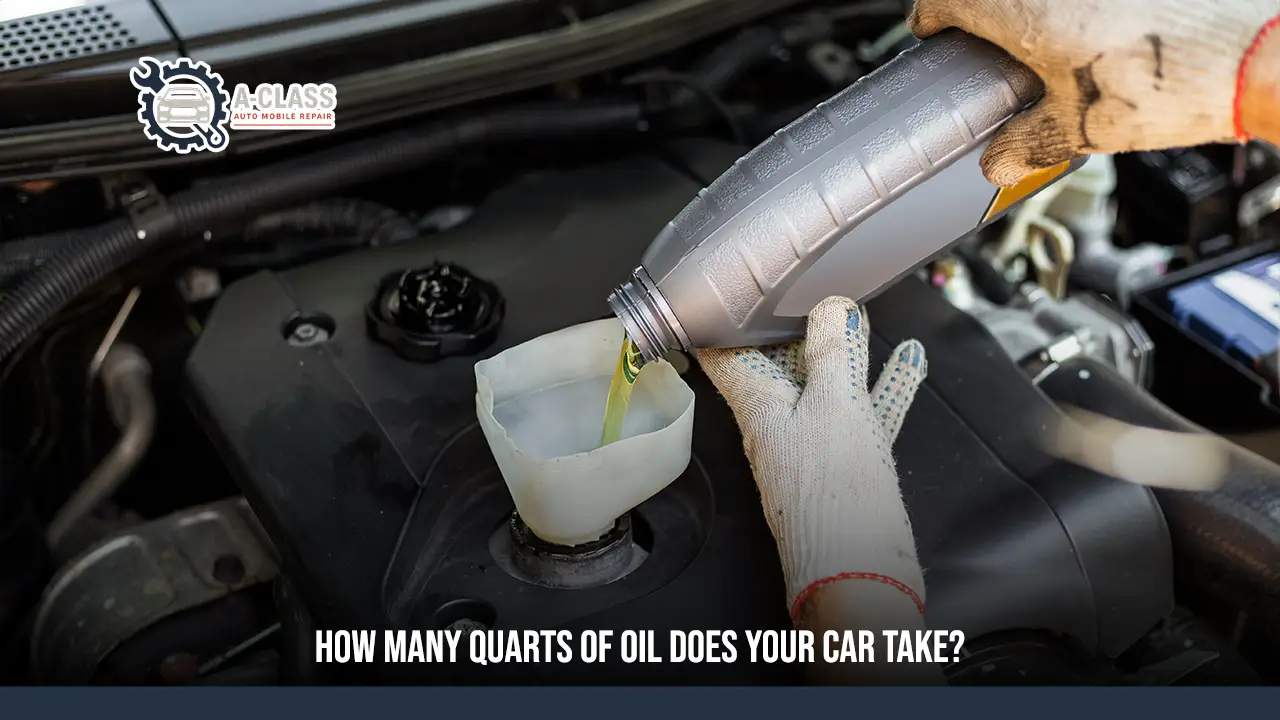

Changing engine oil is one of the most important maintenance tasks for any vehicle. Many drivers ask the same question: how often to change oil in car to keep the engine running smoothly and efficiently. The answer depends on multiple factors, including driving habits, oil type, engine design, and manufacturer recommendations.
Understanding the correct oil change interval can help prevent engine damage, improve fuel efficiency, and extend the lifespan of your vehicle. In this comprehensive guide, we will explore everything you need to know about oil change frequency, oil types, driving conditions, and warning signs that indicate your car is overdue for an oil change.
Whether you are a new car owner or an experienced driver, this guide will help you make informed decisions about engine maintenance and avoid costly repairs.
Why Regular Oil Changes Are Important
Engine oil plays a critical role in keeping your vehicle’s engine healthy. It lubricates moving parts, reduces friction, cleans contaminants, and helps regulate engine temperature.
Knowing how often to change oil in car is essential because old or dirty oil can lose its effectiveness. When oil breaks down, it becomes less capable of protecting the engine, leading to increased wear and potential engine failure.
Key Benefits of Regular Oil Changes
- Reduces friction between engine components
- Prevents overheating by dissipating heat
- Removes dirt, debris, and metal particles
- Improves fuel efficiency
- Extends engine lifespan
Ignoring the recommended oil change mileage can lead to sludge buildup, reduced engine performance, and expensive repairs. Regular oil changes are a simple and cost-effective way to maintain your vehicle.
Professional service providers like A-Class Auto offer comprehensive oil change services, ensuring your engine receives the right oil and proper care at the right time.
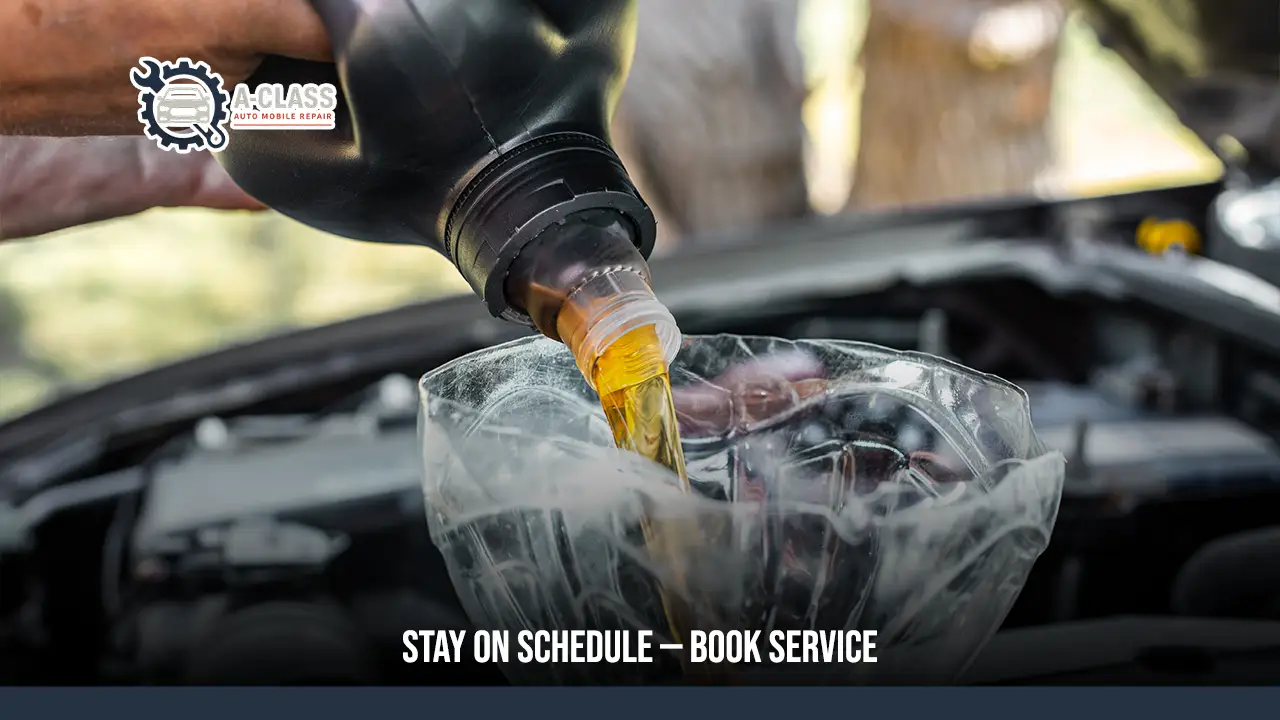
How Often to Change Oil in Car by Mileage
One of the most common ways to determine how often to change oil in car is by mileage. Traditional guidelines suggested changing oil every 3,000 miles, but modern engines and oils have extended this interval.
Traditional Oil Change Guidelines
In older vehicles, oil changes were recommended every 3,000 miles. This was due to less advanced engine designs and lower-quality oils.
Modern Vehicles and Extended Intervals
Today, many manufacturers recommend oil changes every:
- 5,000 miles for conventional oil
- 7,500 to 10,000 miles for synthetic oil
- 12,000 miles or more for high-performance engines
However, the correct oil change interval depends on your driving habits and vehicle type. Always check your owner’s manual for precise recommendations.
Mileage vs Time-Based Oil Changes
Even if you do not reach the recommended oil change mileage, oil should still be changed based on time, typically every 6 to 12 months. Oil degrades over time, even if the car is not driven frequently.
Oil Change Intervals by Oil Type
The type of oil used in your vehicle plays a major role in determining how often should I change oil. Different oils have different lifespans and performance characteristics.
Conventional Oil
Conventional oil is the most basic type of engine oil and is typically recommended for older vehicles or light-duty driving. Its synthetic oil lifespan is shorter than synthetic alternatives.
- Recommended interval: 3,000 to 5,000 miles
- Suitable for older engines and mild driving conditions
Synthetic Blend Oil
Synthetic blend oil combines conventional and synthetic oils, offering better performance and protection.
- Recommended interval: 5,000 to 7,500 miles
- Better resistance to heat and oxidation
Full Synthetic Oil
Full synthetic oil provides the highest level of engine protection and the longest synthetic oil lifespan.
- Recommended interval: 7,500 to 15,000 miles
- Ideal for modern engines, turbocharged vehicles, and extreme driving conditions
Understanding your oil type is essential for determining how often to change oil in car and maintaining optimal engine performance.
Driving Conditions That Affect Oil Change Frequency
Driving conditions significantly impact how often you should change your oil. Even if you follow the recommended oil change mileage, harsh conditions may require more frequent oil changes.
Stop-and-Go Traffic
Frequent short trips and stop-and-go driving can cause oil to degrade faster. The engine may not reach optimal operating temperature, leading to moisture buildup and contamination.
Extreme Temperatures
Driving in very hot or cold climates can affect oil performance. Extreme heat can cause oil to break down faster, while cold temperatures can thicken oil and reduce lubrication.
Heavy Loads and Towing
Towing trailers or carrying heavy loads increases engine stress and heat, requiring more frequent oil changes.
Dusty or Off-Road Conditions
Driving in dusty environments or off-road conditions can introduce contaminants into the oil, shortening its lifespan.
If you frequently drive under these conditions, you may need to reduce your oil change interval and monitor oil condition more closely.
Manufacturer Recommendations Explained
Car manufacturers provide specific guidelines for how often to change oil in car based on engine design and testing. These recommendations are tailored to your vehicle’s needs and should always be followed.
Owner’s Manual Guidelines
The owner’s manual provides the most accurate information about:
- Recommended oil type
- Oil change mileage
- Time-based intervals
- Severe driving conditions
Oil Life Monitoring Systems
Many modern vehicles are equipped with oil life monitoring systems that calculate oil degradation based on driving conditions. These systems provide alerts when an oil change is needed.
Why Manufacturer Recommendations Matter
Ignoring manufacturer guidelines can:
- Void warranties
- Reduce engine lifespan
- Cause performance issues
- Increase repair costs
Professional service centers like A-Class Auto follow manufacturer recommendations to ensure your vehicle receives proper maintenance and remains under warranty.
Signs You’re Overdue for an Oil Change
Even if you follow recommended intervals, it is important to recognize signs that indicate you are overdue for an oil change.
Warning Lights
Many vehicles have oil change or check engine lights that indicate low oil pressure or degraded oil.
Dark or Dirty Oil
Fresh oil is amber in color. If the oil appears dark or gritty, it may be time for a change.
Engine Noise
Increased engine noise or knocking sounds may indicate insufficient lubrication.
Decreased Fuel Efficiency
Old oil can increase engine friction, reducing fuel efficiency.
Exhaust Smoke
Blue or gray smoke from the exhaust may indicate oil burning, which can occur when oil is old or contaminated.
If you notice any of these signs, schedule an oil change immediately. A-Class Auto provides quick and reliable oil change services to keep your engine running smoothly.
Frequently Asked Questions
How often should I change oil in my car?
The recommended frequency depends on your vehicle, oil type, and driving conditions. Generally, oil changes are recommended every 5,000 to 10,000 miles or every 6 to 12 months. Always follow your manufacturer’s guidelines for how often to change oil in car.
Does synthetic oil last longer?
Yes, synthetic oil typically lasts longer than conventional oil. Its synthetic oil lifespan can range from 7,500 to 15,000 miles, depending on driving conditions and engine type.
Can I wait longer between oil changes?
While modern oils and engines allow longer intervals, waiting too long can damage your engine. Always follow recommended oil change interval guidelines and monitor oil condition to avoid engine problems.