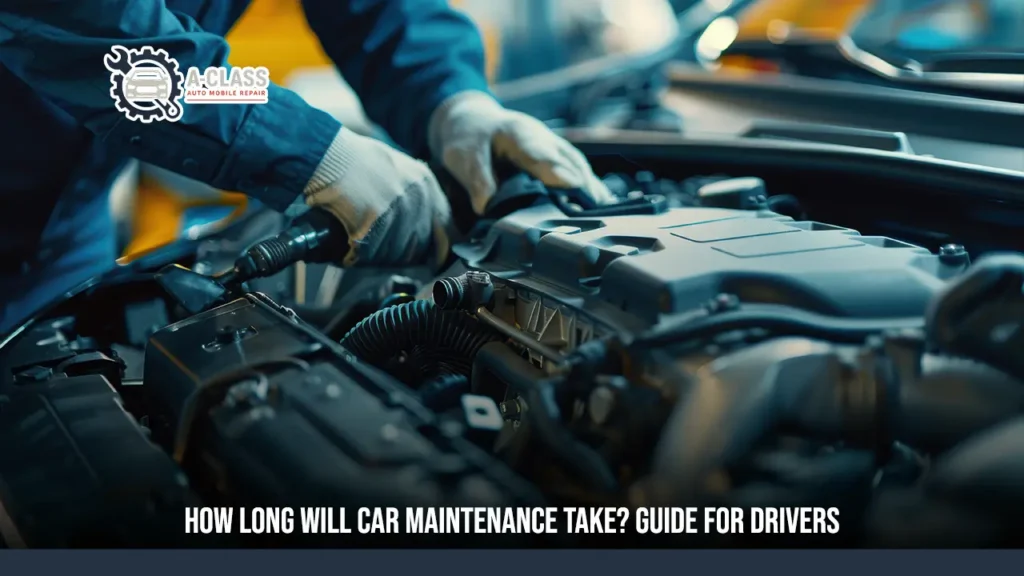
Routine car maintenance usually takes between 30 minutes and a few hours, depending on the type of service and whether multiple tasks are completed during the same visit. Basic services like oil changes and inspections are relatively quick, while major scheduled maintenance requires more time.
Choosing Routine car maintenance Houston providers or a reliable mobile mechanic service like A-Class Auto helps minimize downtime and ensures fast, professional care.
How Long Does Routine Car Maintenance Usually Take?
Routine car maintenance time depends on the type of service being performed and whether tasks are combined during the same visit.
Most standard maintenance services usually take:
- Oil and filter change: This is the most common service and typically takes between 30 and 45 minutes when done as a standalone task.
- Tire rotation and pressure check: When performed alongside an oil change, this usually adds 15 to 20 minutes to the total visit.
- Brake inspection and pad replacement: A basic brake inspection takes about 15 minutes, while replacing brake pads can take 1 to 1.5 hours per axle.
- Multi-point inspection: A full inspection of fluids, belts, hoses, and battery health generally takes 30 to 45 minutes.
- Air filter replacement (engine and cabin): These are quick services that usually take 10 to 15 minutes.
- Full scheduled service (30k or 60k miles): These comprehensive visits often take 3 to 5 hours due to multiple fluid services and deeper mechanical checks.
All of these tasks are typically planned based on a structured Car maintenance schedule.
Factors That Affect Car Maintenance Duration
Several factors can make your maintenance visit shorter or longer, even for the same service, Key factors include:
- Vehicle type (EV vs gas): Electric vehicles often require less time because they don’t need oil changes or complex engine services.
- Software updates and sensor calibration: In modern vehicles, software updates or recalibrating safety sensors can add an extra hour or more.
- Shop workload and equipment: High-volume shops or dealerships may take longer, while well-equipped facilities can complete inspections faster.
- Parts availability: If a worn part is not in stock, the vehicle may stay an extra 24 to 48 hours.
- Service history: Well-maintained vehicles usually move through service faster than neglected ones.
These variables often influence the average car maintenance cost as well.
Engine Maintenance Time
Engine maintenance ranges from quick visual checks to more involved component replacements, depending on the service needed and engine layout.
Typical engine-related service times include:
- Standard engine inspection: Checking belts, hoses, fluid levels, and visible leaks usually takes 30 to 45 minutes and is often part of routine service visits.
- Spark plug replacement: Most modern 4-cylinder engines take 1 to 2 hours, while larger engines or tightly packed engine bays may require up to 4 hours.
- Serpentine belt replacement: Replacing a worn drive belt usually takes 30 to 60 minutes and helps prevent sudden belt failure that could disable critical systems.
- Engine air filter replacement: One of the fastest engine services, typically completed in 10 to 15 minutes, but it plays an important role in engine performance and fuel efficiency.
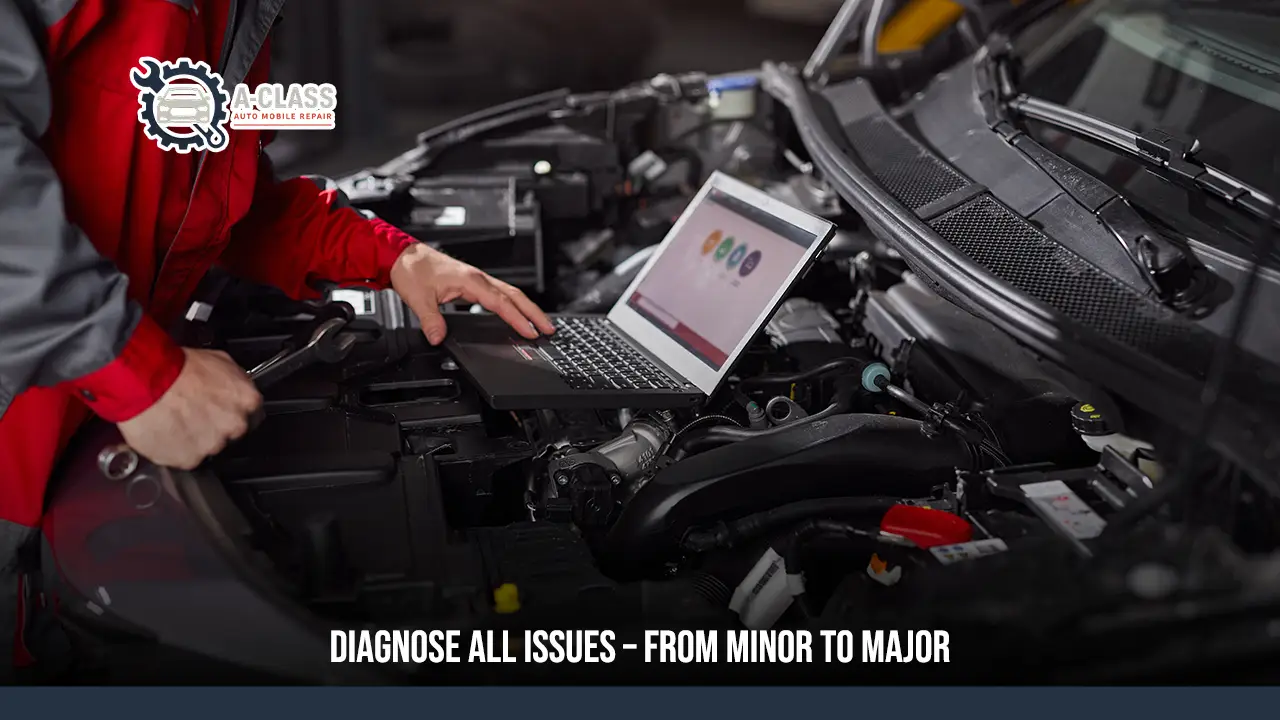
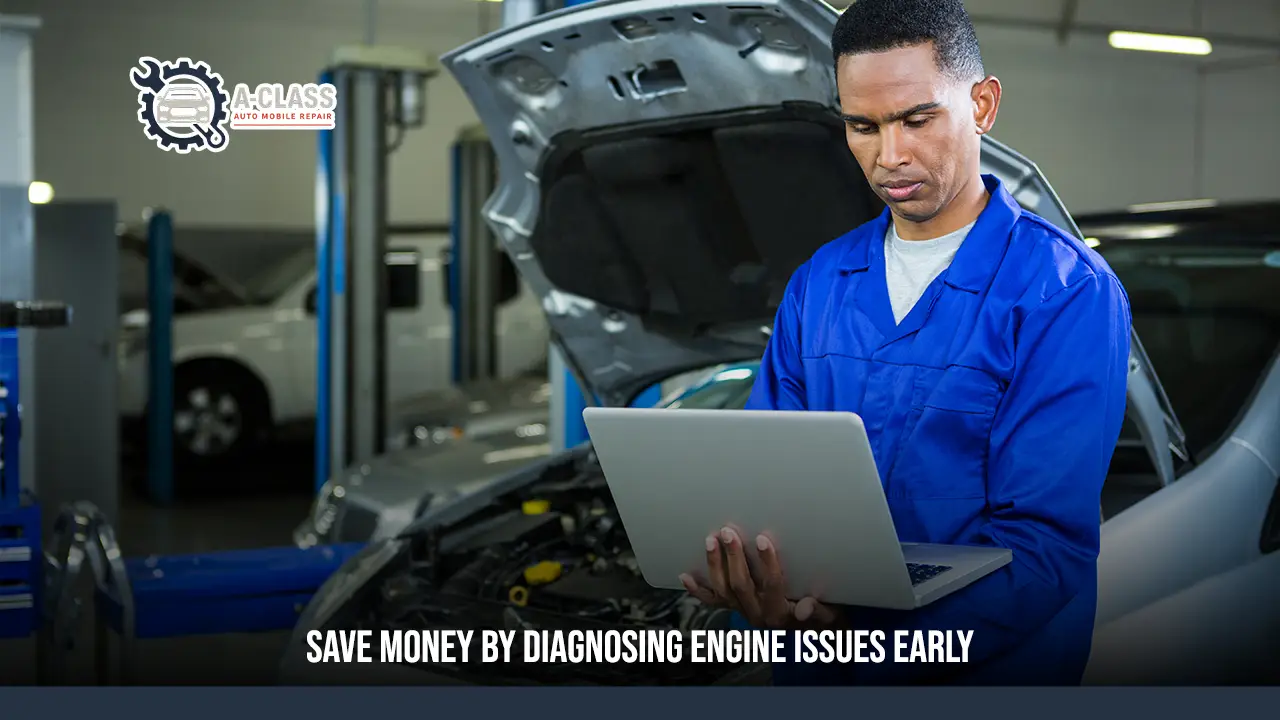
- Diagnostic scan: Reading fault codes and system data usually takes about 15 to 20 minutes and helps detect hidden issues before warning lights appear.
Oil Change and Filter Replacement Time
Oil changes are the most frequent maintenance task and often include other inspections,Typical time expectations are:
- Actual oil change process: Draining old oil, replacing the filter, and refilling usually takes around 20 minutes.
- Total appointment time: With inspections included, most visits take 45 to 90 minutes.
- Express lube centers:These can complete the service in as little as 15 to 30 minutes.
- DIY oil changes: At home, expect 45 to 60 minutes including setup and cleanup.
Brake and Tire Maintenance Duration
Brake and tire services are safety-critical and often take longer than basic engine services.
Common service times include:
- Brake inspection: A full check of pads and rotors takes 15 to 30 minutes.
- Brake pad replacement: One axle takes 1 to 1.5 hours; both axles take up to 3 hours.
- Rotor replacement:Adds extra time, usually extending service to 2 hours per axle.
- Tire rotation: Takes about 15 to 20 minutes.
- Wheel alignment: Modern vehicles may require 1 to 1.5 hours due to sensor calibration.
Choosing cars with low maintenance often means fewer brake and tire service hours over time.
Transmission and Fluid Service Time
Transmission and fluid services are more detailed than basic maintenance and require careful handling to ensure proper system performance.
Typical service times include:
- Transmission fluid flush: This service usually takes between 1 and 1.5 hours and involves replacing old fluid to keep gear shifts smooth and prevent internal wear.
- Transmission filter replacement: When the service includes removing the transmission pan to replace the filter, the process can take 2 to 3 hours depending on vehicle design.
- Coolant flush: Draining and refilling the cooling system typically takes 45 to 60 minutes and is essential for preventing overheating and corrosion.
- Brake fluid flush: Replacing old brake fluid takes about 30 to 60 minutes and helps maintain consistent braking performance.
- Differential or transfer case service (AWD vehicles): Each unit usually requires around 45 minutes, especially in all-wheel-drive vehicles with multiple fluid systems.
Maintenance for New vs Used Cars
The age of a vehicle directly affects how long maintenance takes, as each stage of ownership involves a different level of service depth and inspection. Maintenance timelines typically vary as follows:
New cars (0–3 years)
Maintenance for new vehicles usually includes basic and preventive services such as oil changes, tire rotations, routine inspections, and software updates. These visits are designed to be quick and efficient, often taking one to two hours.
Used cars (3–7 years)
At this stage, maintenance begins to involve additional wear-related services. This typically includes brake servicing, tire replacements, fluid changes, and more detailed inspections, which can extend service time to several hours.
Older cars (7+ years)
Maintenance for older vehicles often includes component replacement rather than simple checks. Services commonly involve fixing leaks, replacing worn parts, and addressing aging systems, making these visits more complex and time-consuming.
Maintenance for Gas, Hybrid, and Electric Cars
The type of powertrain determines both the scope of maintenance and the time required for each service visit. Maintenance requirements generally include the following:
Gas-powered cars
Maintenance usually involves mechanical services such as oil changes, engine inspections, exhaust checks, and general system evaluations, resulting in balanced service times.
Hybrid cars
Hybrid maintenance typically includes both engine-related services and battery system inspections.
This means additional cooling system checks and electrical diagnostics, which can slightly increase service duration.
Electric cars (EVs)
EV maintenance focuses mainly on tires, brakes, battery health, and electronic diagnostics. Since there are no oil changes, service appointments are usually shorter than those for gas or hybrid vehicles.
How Appointment Type Affects Maintenance Time
Where maintenance is performed plays an important role in how long the vehicle remains in the shop. Service experiences generally differ in the following ways:
Dealership service centers
Dealership visits often include advanced diagnostics, manufacturer software updates, and sensor recalibrations. While these capabilities are efficient, high service volume can increase total wait time.
Independent repair shops
Independent shops typically focus on mechanical efficiency and flexible scheduling. Routine services are often completed faster, although some advanced software tasks may still require dealership support.
Tips to Reduce Car Maintenance Time
- Scheduling appointments early in the day.
- Sharing diagnostic data before arrival.
- Requesting express or quick-service options.
- Dropping the vehicle off the night before.
- Confirming part availability in advance.
- Using mobile or valet maintenance services.
Understanding how long car maintenance takes helps you plan your time and avoid unnecessary delays. Regular servicing not only keeps your vehicle running smoothly but also prevents small issues from turning into costly repairs.
If you’re looking for fast, reliable, and professional car maintenance, A-Class Auto is here to help. Our experienced team offers flexible options, including on-site and mobile services, designed to fit your schedule and get you back on the road quickly.
Book your car maintenance with A-Class Auto today and save time without compromising quality.
Frequently Asked Questions About Car Maintenance Time
How Long Does a Full Service Take?
A full car service usually takes 3 to 5 hours, depending on the vehicle and the type of maintenance required. Major services include fluid changes, detailed inspections, and system diagnostics, which naturally take more time than basic checkups.
Does the Type of Car Affect Maintenance Time?
Yes, the type of car makes a difference. Electric cars often require less time since there are no oil changes, while hybrid and gas cars usually take longer due to engine, fluid, and exhaust system maintenance.
Can Regular Maintenance Be Done Faster?
Regular maintenance can be completed faster when services are scheduled on time and combined in one visit. Booking early appointments, using express services, or choosing a mobile mechanic option can significantly reduce wait time.
Is There a Difference Between Dealer and Independent Mechanic Maintenance Time?
Yes. Dealerships often offer faster diagnostics and software updates but may have longer overall wait times due to high volume. Independent mechanics usually complete routine maintenance more quickly, though some advanced software tasks may still require a dealer visit.