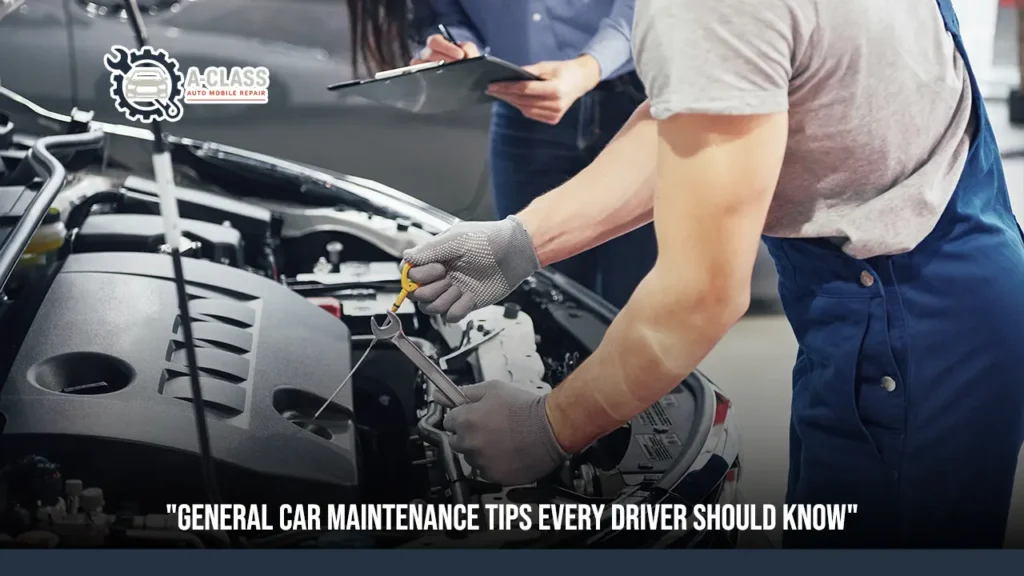
Keeping your car in top shape doesn’t have to be complicated or expensive. With the right approach, even simple habits can prevent costly repairs and keep your vehicle running safely for years.
General Regular vehicle maintenance in Houston is more than just fixing problems when they arise it’s about proactive care. This includes regularly checking oil, tires, and essential fluids like coolant, brake, and windshield washer fluid, as well as inspecting lights and listening for unusual sounds. Scheduled servicing, replacing air and cabin filters, and keeping your car clean also play a key role. By following your owner’s manual and maintaining these routine habits, you can prevent major issues, improve safety, and extend your car’s longevity. Whether you’re a new driver or experienced motorist, adopting these practices ensures your vehicle performs reliably every day.
Why General Car Maintenance Tips Matter for Every Driver
Following general car maintenance tips is essential for every driver. Regular maintenance not only keeps your vehicle running smoothly but also ensures safety, saves money, and extends the life of your car. Proactive care reduces the risk of breakdowns, prevents costly repairs, and gives you peace of mind on the road.
Key Reasons Car Maintenance Matters
- Enhanced Safety: Routine checks of brakes, tires, and lights ensure critical systems perform optimally, reducing the risk of accidents caused by equipment failure.
- Financial Savings: Addressing minor issues early like low fluid levels or worn brake pads prevents major repairs such as engine or transmission damage. Well-maintained cars also run more efficiently, saving fuel over time.
- Increased Vehicle Longevity: Following the manufacturer’s maintenance schedule reduces wear and tear, extending the car’s overall lifespan.
- Improved Reliability & Confidence: Regular maintenance minimizes unexpected breakdowns, allowing you to drive with peace of mind.
- Higher Resale Value: A documented maintenance history demonstrates care, making your car more attractive to future buyers.
- Environmental Benefits: Efficiently running cars produce fewer harmful emissions, helping reduce your environmental impact.
Learn more about what regular maintenance does a car need.
Car Maintenance Tips Every Driver Should Know
Every driver should follow general car maintenance tips to ensure safety, performance, and prevent costly repairs. Essential maintenance covers tires, fluids, lights, brakes, battery, and belts, alongside regular oil changes, filter replacements, and keeping the car clean. Your owner’s manual is your best guide for intervals and specific requirements.
Fluids & Filters
- Engine Oil: Change regularly according to your manual; it’s essential for engine health.
- Other Fluids: Check coolant, brake fluid, power steering, and windshield washer fluid monthly to prevent system failures.
- Filters: Replace engine and cabin air filters as needed to maintain engine performance and cabin air quality.
Tires
- Pressure: Check monthly with a gauge and adjust for temperature changes.
- Tread: Inspect for uneven wear, cracks, or cuts, including the spare tire.
- Rotation: Rotate tires every 8,000–10,000 km (5,000–6,000 miles) for even wear and longer lifespan.
General Practices
- Read Your Manual: Follow manufacturer-specific Car maintenance schedule and instructions.
- Listen & Look: Pay attention to warning lights and unusual sounds; address minor issues early.
- Keep It Clean: Regular washing and waxing protects paint, reduces corrosion, and maintains resale value.
By following these best car maintenance tips, you can prevent breakdowns, extend your vehicle’s lifespan, and ensure safe, reliable driving every day.
Essential Engine Maintenance Tips for Long-Term Performance
Keeping your engine in top condition ensures long-term performance, reliability, and efficiency. Follow these essential tips to prevent costly repairs and extend your vehicle’s lifespan.
- Follow a Consistent Oil Change Schedule
- Function: Engine oil lubricates moving parts, reduces friction, and helps manage heat.
- Action: Stick to the manufacturer’s recommended service intervals. Older cars may need oil changes every 3,000–5,000 miles, while newer models with synthetic oil can go 7,500–10,000 miles.
- Tip: Always use the correct oil type and viscosity specified in your owner’s manual.
- Monitor and Maintain Fluid Levels
- Coolant/Antifreeze: Prevents overheating and freezing. Check levels monthly when the engine is cool and flush/replace every 2 years or 30,000 miles for older coolant.
- Transmission, Brake, and Power Steering Fluids: Maintain proper levels to ensure system performance and prevent wear.
- Replace Filters Regularly
- Air Filter: Keeps airflow clean, improving fuel efficiency and engine performance. Replace as recommended or more often in dusty conditions.
- Fuel Filter: Prevents fuel impurities from reaching the engine. Replacement is often suggested around 30,000 miles.
- Inspect Spark Plugs and Belts
- Spark Plugs: Worn plugs cause misfires, reduced power, and poor fuel economy. Replace every 30,000–100,000 miles depending on manufacturer guidelines.
- Belts and Hoses: Inspect serpentine and timing belts for cracks or fraying. Timing belt failure can cause catastrophic engine damage—replace between 60,000–90,000 miles.
- Adopt Smart Driving Habits
- Warm-Up Gently: Avoid heavy acceleration immediately after starting, especially in cold weather.
- Avoid Overloading: Extra weight strains the engine and reduces efficiency.
- Drive Mindfully: Smooth acceleration and braking reduce stress on engine components.
- Pay Attention to Warning Signs
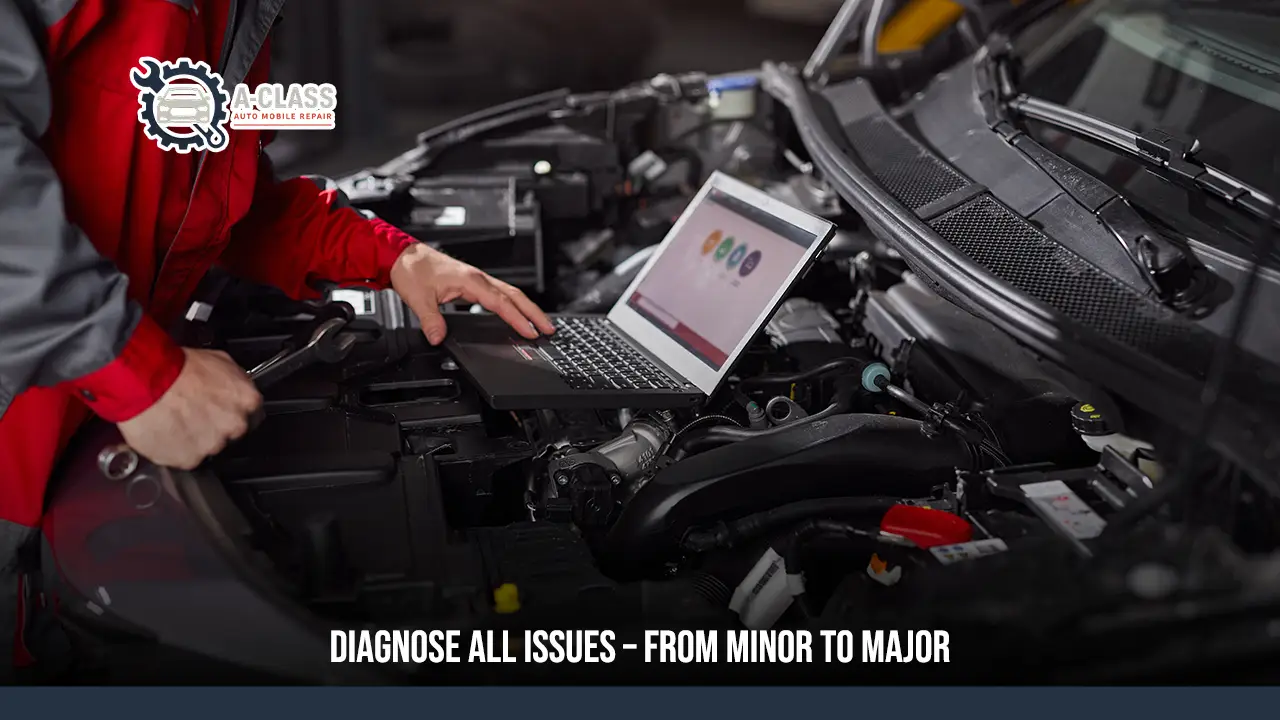
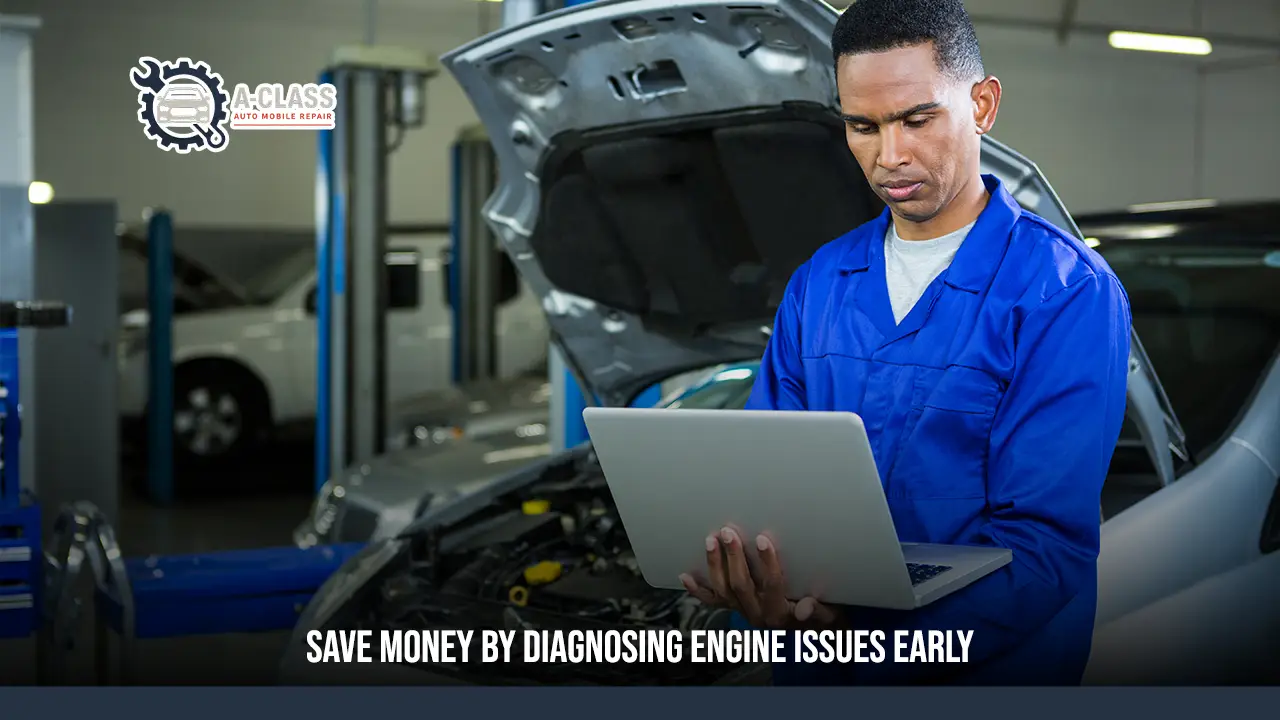
- Never ignore dashboard warning lights, unusual noises (knocking, grinding, tapping), decreased performance, or fluid leaks. Early attention prevents small problems from becoming costly repairs. Professional diagnostics are recommended at the first sign of trouble.
Explore on-site car repair service with A-Class.
Tire Maintenance Tips for Safety and Fuel Efficiency
Proper tire care is essential for safe driving, better fuel efficiency, and longer tire life. Follow these tips to keep your tires in top condition.
1. Check Tire Pressure Monthly
- Why: Underinflated tires increase rolling resistance, reduce fuel efficiency, and wear out edges faster; overinflated tires reduce grip and increase blowout risk.
- How: Use a reliable tire gauge when the tires are cold (before driving). Check the recommended PSI on your car’s door jamb sticker or owner’s manual.
2. Rotate Tires Regularly
- Why: Rotating tires evenly distributes wear, improves handling, and extends tire life.
- How Often: Every 8,000–10,000 km (5,000–6,000 miles), or follow your owner’s manual recommendation.
3. Inspect Tread Depth & Condition
- Why: Adequate tread is vital for traction, especially in wet conditions.
- How: Look for cuts, cracks, bulges, or uneven wear. Use the penny test (Lincoln’s head upside down) to check tread depth.
4. Get Wheel Alignment & Balancing
- Why: Proper alignment prevents uneven wear and improves fuel efficiency, while balancing ensures smooth driving.
- When: If your car pulls to one side or you notice uneven tire wear.
5. Practice Safe Driving Habits
- Why: Aggressive driving accelerates tire wear and reduces efficiency.
- How: Avoid hard braking, rapid acceleration, and sharp turns.
Additional Tips
- Check Spare Tire: Ensure your spare is inflated and in good condition.
- Consider Nitrogen: Nitrogen can help maintain tire pressure more consistently, though regular air works fine for most drivers.
- Replace When Needed: Don’t wait to replace worn or damaged tires promptly for safety.
Read more about why does my car say maintenance required.
Brake Maintenance Tips Every Driver Should Follow
Proper brake maintenance is crucial for your safety and your vehicle’s performance. Follow these tips to ensure your brakes work effectively and last longer.
- Adopt Safe Driving Habits
- Avoid sudden, hard stops to reduce wear on pads and rotors.
- Shift to a lower gear when going downhill to let the engine help slow the car.
- Carry only necessary items to avoid extra strain on the braking system.
- Leave enough space to brake gradually and safely.
- Perform Regular Inspections & Fluid Checks
- Have your brakes inspected annually or every time you rotate your tires (about every 6 months).
- Check levels and color regularly; dark or murky fluid indicates moisture contamination and the need for a flush. Flush and replace fluid every 2–3 years.
- Inspect pads for thickness (replace if under 1/4 inch) and check rotors for scoring, warping, or thin spots.
- Watch for Warning Signs
- Squealing may indicate wear; grinding signals metal-on-metal contact.
- A soft, spongy, or overly hard brake pedal, or vibrations in the pedal/steering wheel, indicates issues.
- Brake warning or ABS lights turning on signals immediate attention is needed.
- Fluid leaks under the car or the car pulling to one side while braking require prompt inspection.
Battery and Electrical System Maintenance Tips
Keeping your battery and electrical system in top shape ensures reliable starts, smooth operation, and prevents unexpected breakdowns. Follow these practical tips to extend battery life and maintain your vehicle’s electrical health.
- Battery Care
- Remove corrosion with a baking soda/water mix and a toothbrush; keep battery tops clean and dry.
- Ensure the battery is tightly fastened to prevent damage from vibration.
- Check Electrolyte Levels For non-maintenance-free batteries, top up with distilled water only, avoiding overfilling.
- Use a multimeter periodically to Test Voltage and check charge and overall battery health.
- Look for cracks, warping, or signs of overheating or overcharging.
- Electrical System Checks
- Examine cables and connections for damage; ensure they are tight and free of corrosion.
- Look for cracks or wear and verify proper tension.
- Avoid using electronics like lights or the radio with the engine off.
- Frequent driving allows the alternator to keep the battery fully charged.
Seasonal Car Maintenance Tips for Summer and Winter
Maintaining your car throughout the year means adjusting care for seasonal challenges. Summer heat and winter cold affect tires, fluids, battery performance, and other key systems, so following season-specific tips ensures safety, efficiency, and longevity.
Summer Maintenance Tips (Beat the Heat)
- Cooling System: Check coolant levels, inspect hoses for cracks, and flush if necessary to prevent overheating.
- Air Conditioning: Test AC performance; service if airflow is weak or smells musty.
- Tires: Monitor pressure regularly, as heat expands air, and check tread for wear. Consider summer tires for optimal performance.
- Fluids: Top off oil, brake fluid, and windshield washer fluid.
- Battery: Heat can stress batteries; check terminals for corrosion and test overall strength.
- Wipers & Washers: Replace worn blades and fill washer fluid for clear visibility.
- Exterior Protection: Wash and wax to guard against UV damage; use sunshades to protect the interior.
Winter Maintenance Tips (Brave the Cold)
- Winter Tires: Install winter tires for improved grip and check tread depth frequently.
- Antifreeze: Ensure the proper antifreeze-to-water ratio in your coolant to prevent freezing.
- Battery: Cold weather drains batteries faster; make sure it is healthy and fully charged.
- Fluids: Use winter-grade windshield washer fluid and check other fluid levels.
- Wipers: Install winter wiper blades for optimal performance in snow and ice.
- Lights: Verify that all headlights, brake lights, and indicators function properly.
- Exterior Care: Apply wax to protect the paint and inspect weatherstripping for proper seals.
Warning Signs That Your Car Needs Immediate Maintenance
Knowing when your car requires urgent attention can save you from costly repairs and keep you safe on the road. Ignoring warning signs especially unusual noises, dashboard alerts, or fluid leaks can lead to severe damage.
Dashboard Alerts
- Check Engine Light: Could indicate engine misfires, sensor issues, or other mechanical problems.
- Oil Pressure or Battery Light: Signals critical lubrication or charging system problems.
- Brake Warning Light: Alerts you to potential brake system failure.
Sounds & Smells
- Squealing or Grinding Brakes: Worn brake pads contacting the rotors.
- Knocking or Tapping Sounds: May indicate low oil or internal engine issues.
- Burning Smell: Could be caused by overheating, oil leaks, or electrical problems.
- Clunking or Rattling: Loose suspension components or other worn parts.
Performance & Feel
- Fluid Leaks: Oil, coolant, or other fluid puddles under the car.
- Vibrations: Shaking in the steering wheel or car body, indicating tire, suspension, or brake problems.
- Difficulty Starting or Stalling: Issues with the battery, starter, or fuel system.
- Overheating: High temperature gauge readings or steam from the hood.
- Transmission Slipping: Hesitation, delayed response, or strange noises when shifting gears.
Stay ahead of costly repairs follow these general car maintenance tips and keep your vehicle running smoothly. Schedule your next service with A-Class today!
FAQ about general car maintenance tips
Are General Car Maintenance Tips Enough Without a Mechanic?
General tips help prevent minor issues, but professional inspections are essential for complex problems, safety checks, and major repairs.
What Are the Most Important Car Maintenance Tips Every Driver Should Know?
Check oil and fluids, monitor tire pressure and tread, inspect brakes and lights, replace filters, maintain the battery, and follow your owner’s manual schedule.
Can General Car Maintenance Tips Extend a Car’s Lifespan?
Yes, regular maintenance prevents premature wear, keeps systems running efficiently, and reduces the risk of costly breakdowns.
Do General Car Maintenance Tips Apply to New and Used Cars?
Yes, both new and used cars benefit from routine checks, fluid top-ups, and timely servicing to ensure safety and reliability.