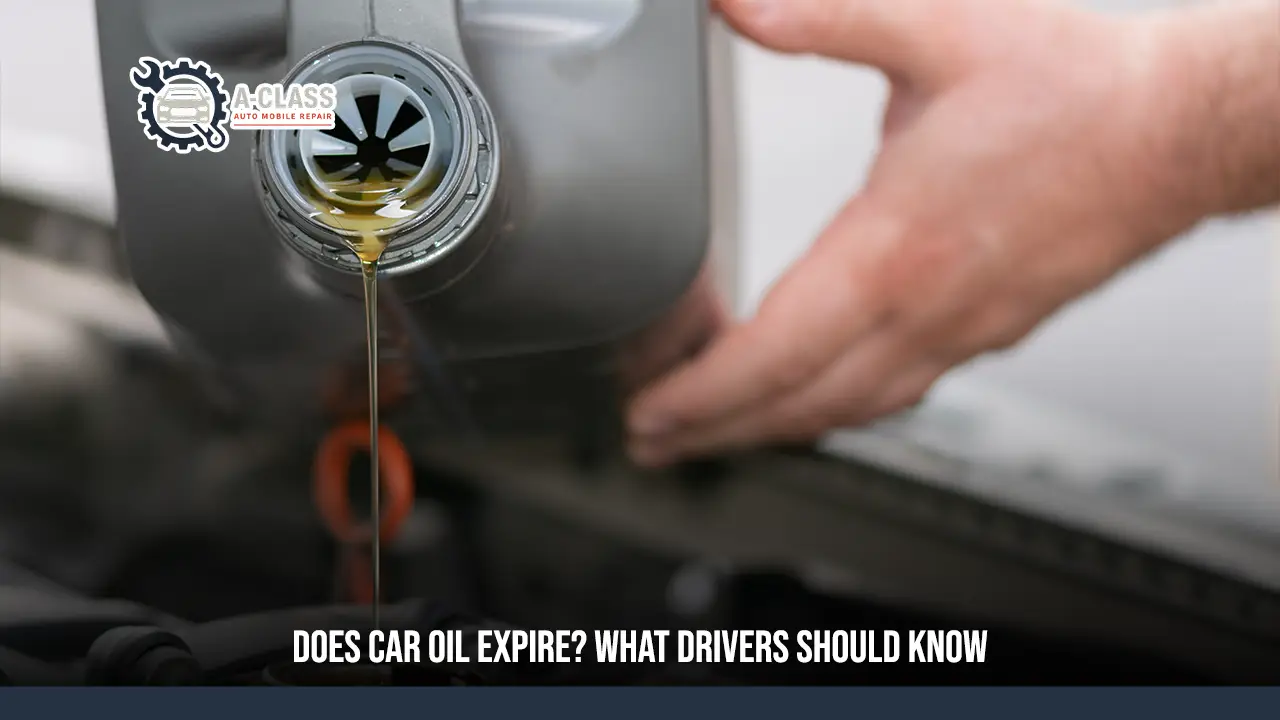
Yes, car engine oil expires due to natural chemical degradation and additive separation over time. Unopened oil typically has a shelf life of up to 5 years when stored properly, while opened bottles should be used within one year to prevent moisture absorption and sludge buildup that can damage your engine.
Does Engine Oil Expire Over Time
Many drivers believe oil lasts forever in the bottle, but the answer to “does car oil expire over time?” is a definite yes due to chemical instability. Here are the scientific reasons why oil degrades even without being used:
- Natural Oxidation: Over time, oxygen molecules slowly react with the oil, breaking down its chemical bonds and causing it to thicken or lose effectiveness.
- Additive Fallout: The complex chemical additives (detergents and anti-wear agents) can become unstable and separate from the base oil, settling at the bottom of the container.
- Plastic Permeability: Even sealed plastic bottles are slightly permeable, allowing minute amounts of air and moisture to pass through over several years.
- Temperature Cycles: Constant fluctuations between hot and cold in a garage cause the oil to expand and contract, which accelerates molecular breakdown.
- Light Exposure: UV rays from sunlight can penetrate the plastic bottle and degrade the oil’s chemical structure if left exposed near a window.
- Base Oil Breakdown: Whether mineral or synthetic, the base oil itself has a finite stability period before it begins to lose its lubricating properties naturally.
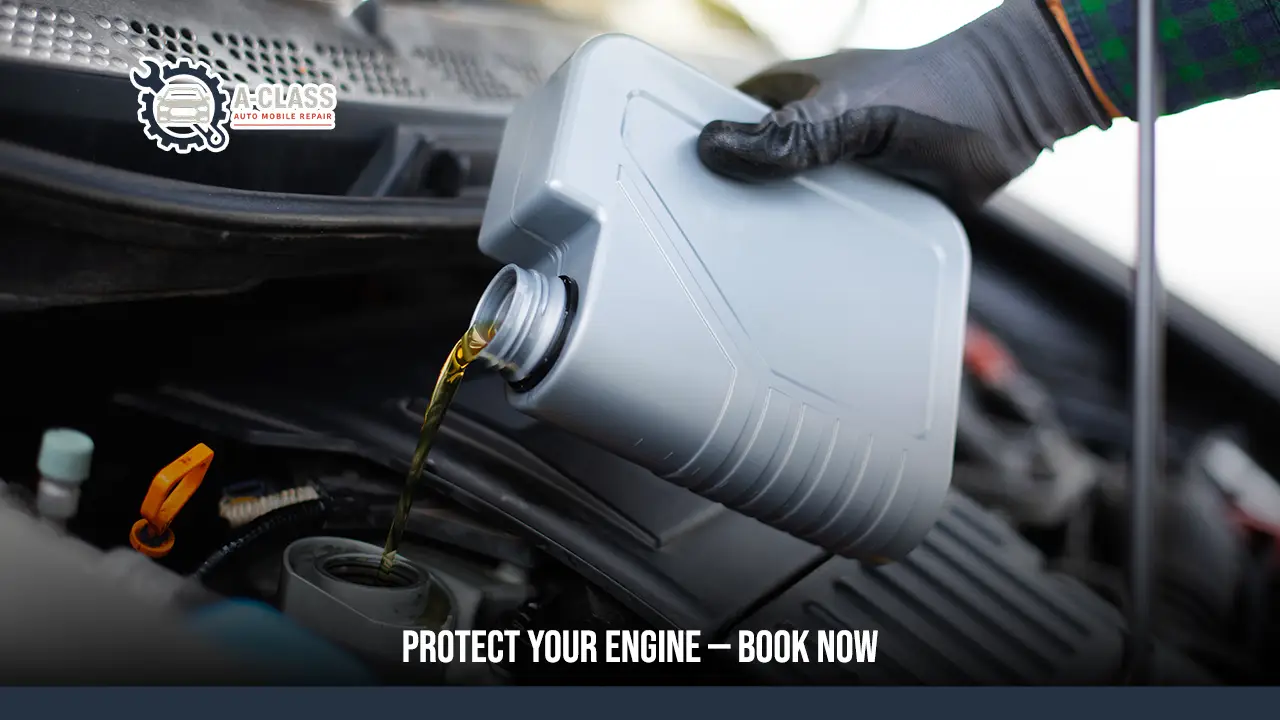
Shelf Life of Unused Engine Oil
When managing your garage inventory, understanding the shelf life of unused engine oil is critical to avoid pouring bad fluid into your engine. Here are the specific standards regarding how long oil lasts in storage:
- Factory-Sealed Limit: Most manufacturers guarantee the quality of their oil for up to 5 years from the production date, provided the factory foil seal is intact.
- Opened Bottle Reduction: Once the seal is broken, the shelf life drops drastically to about 1 year because the protective barrier against humidity is lost.
- Hygroscopic Nature: Engine oil naturally attracts and absorbs moisture from the air; an opened bottle acts like a sponge for water vapor.
- Storage Environment: Oil stored in a climate-controlled room lasts significantly longer than oil kept in a shed subject to freezing or extreme heat.
- Synthetic Advantage: Synthetic oils typically have a longer stable shelf life compared to conventional mineral oils due to their uniform molecular structure.
- Sediment Check: Before using old unused oil, pour a little out; if you see separated layers or sludge at the bottom, the shelf life has definitely expired.
- Container Integrity: If the bottle is swollen, cracked, or leaking, it indicates that the oil has been compromised by environmental factors and should be discarded.
Does Oil Expire Inside the Engine?
Absolutely, and at a much faster rate due to the harsh operating environment.
Here is why engine oil has a strict service life once circulated:
1.Thermal Breakdown
The high operating temperatures of an engine cause the oil molecules to break down and shear, permanently reducing its viscosity and protective capabilities.
2.Oxidation Acceleration
Constant exposure to oxygen at high heat causes the oil to thicken into sludge, which can clog oil passages and starve engine components.
3. Moisture Accumulation
Even if the car is not driven, temperature fluctuations cause condensation to form inside the crankcase, mixing water with the oil.
4. Acid Formation
Combustion byproducts (like sulfur) mix with moisture in the oil to form acids, which eat away at metal bearings and seals if the oil is not changed.
5. Additive Depletion
The detergent and dispersant additives are consumed as they neutralize acids and hold soot in suspension, eventually rendering the oil useless.
6. Fuel Dilution
In direct-injection engines, small amounts of raw fuel can seep into the oil pan (blow-by), thinning the oil and lowering its flash point.
7.Time vs. Mileage
This is why manufacturers recommend changing oil every 6-12 months regardless of mileage; the chemical degradation happens even when the car is parked.
Signs of Expired or Degraded Oil
Before using an old bottle from your garage or ignoring a service interval, you should inspect the fluid for physical signs of expired motor oil.
Here are the visible indicators that the oil is no longer safe to use:
Hazy or Milky Appearance
If the oil looks cloudy or resembles a latte, it indicates water contamination or moisture separation, making it unsafe for the engine.
Separation of Layers
In stored oil, if you see a distinct layer of additives or sludge at the bottom that does not mix back in after shaking, the oil has separated permanently.
Consistency Changes
Pour a small amount; if the oil pours like thick syrup (too viscous) or like water (too thin), its molecular structure has failed.
Abrasive Texture
Rub a drop of used oil between your fingers; if you feel grit or metal particles, the oil has lost its lubricity and caused engine wear.
Burnt or Acidic Smell
Fresh oil has a mild petroleum scent; a sharp, acrid, or burnt smell indicates severe oxidation or chemical breakdown.
Dark Color (In the Bottle)
While oil turns black in an engine due to soot, fresh oil in a bottle should be amber; if it turns dark brown or black in storage, it has oxidized.
Solidified Sludge
In extreme cases of expiration, the oil may develop gelatinous lumps or solid deposits that can block the oil pump pickup screen.
Risks of Using Expired Oil in Your Engine
Ignoring the expiration date and using expired motor oil can lead to catastrophic engine failure and costly repairs.
Here are the specific risks associated with pouring degraded oil into your vehicle:
- Sludge Formation: As oil oxidizes, it thickens into a gel-like sludge that clogs oil passages and restricts flow to critical engine parts.
- Increased Friction: Expired oil loses its lubricating film strength, leading to metal-on-metal contact and rapid wear of bearings, pistons, and camshafts.
- Corrosion and Rust: When anti-corrosion additives fail, acidic byproducts from combustion attack internal metal surfaces, causing pitting and rust.
- Overheating Issues: Degraded oil cannot effectively transfer heat away from the engine block, leading to higher operating temperatures and potential overheating.
- Seal Damage: Old oil can become acidic or change chemical properties, causing rubber seals and gaskets to harden, crack, and leak.
- Viscosity Breakdown: If the oil has thinned out (sheared), it cannot maintain the necessary oil pressure, triggering the “Low Oil Pressure” warning light.
- Filter Clogging: The sediments and separation byproducts in expired oil can quickly overwhelm and clog the oil filter, forcing it into bypass mode (circulating dirty oil).
How to Store Engine Oil Properly
To ensure your oil lasts for the full manufacturer-recommended shelf life “typically 5 years”, you must follow strict oil storage tips. Here is how to keep your engine oil fresh and effective while stored in your garage:
- Temperature Control: Store oil in a cool environment (ideally between 40°F and 85°F) to prevent thermal degradation and additive separation.
- Keep it Dry: Humidity is the enemy; ensure the storage area is dry to prevent moisture from condensing inside the bottle, especially if it has been opened.
- Original Containers: Always keep oil in its original, factory-sealed bottle; transferring it to other containers can introduce contaminants and confuse the expiration date tracking.
- Tightly Sealed Caps: If you have an opened bottle, ensure the cap is screwed on as tightly as possible to minimize air exchange and oxidation.
- Avoid Direct Sunlight: UV rays and heat from direct sunlight can accelerate the chemical breakdown of the oil; keep bottles in a dark cabinet or shelf.
- Clean Before Opening: Before opening a stored bottle, wipe the dust and dirt off the cap area to prevent debris from falling into the oil stream.
- Rotation System: Use a “First-In, First-Out” (FIFO) system; use your oldest stock of oil first to ensure nothing sits on the shelf past its expiration date.
Frequently Asked Questions
Does unused car oil expire?
Yes, unused oil typically has a shelf life of up to 5 years if the bottle remains factory-sealed and stored in optimal conditions. Once opened, it should be used within 1 year due to moisture absorption and oxidation.
Can expired oil damage the engine?
Absolutely. Using expired oil can lead to sludge buildup, increased friction, and corrosion inside the engine. The breakdown of chemical additives means the oil can no longer protect critical components from wear and heat.
How can I tell if oil is expired?
You can identify expired oil by its appearance and smell. Look for a hazy or milky color (indicating water), separation of layers, solid sediments at the bottom, or a strong acidic/burnt odor. If it feels gritty, do not use it.
Your engine’s health depends on the quality of the fluids you put into it. While oil may seem like a simple product, its shelf life and storage conditions play a massive role in its performance. Using expired motor oil is a risk that can lead to expensive repairs far outweighing the cost of a fresh bottle.
Need a professional oil check? At A-Class Auto, we specialize in keeping your vehicle running at its peak.
Whether you need a routine oil change with fresh, premium lubricants or a comprehensive engine inspection, our team is here to help. Trust A-Class Auto for quality service you can rely on.