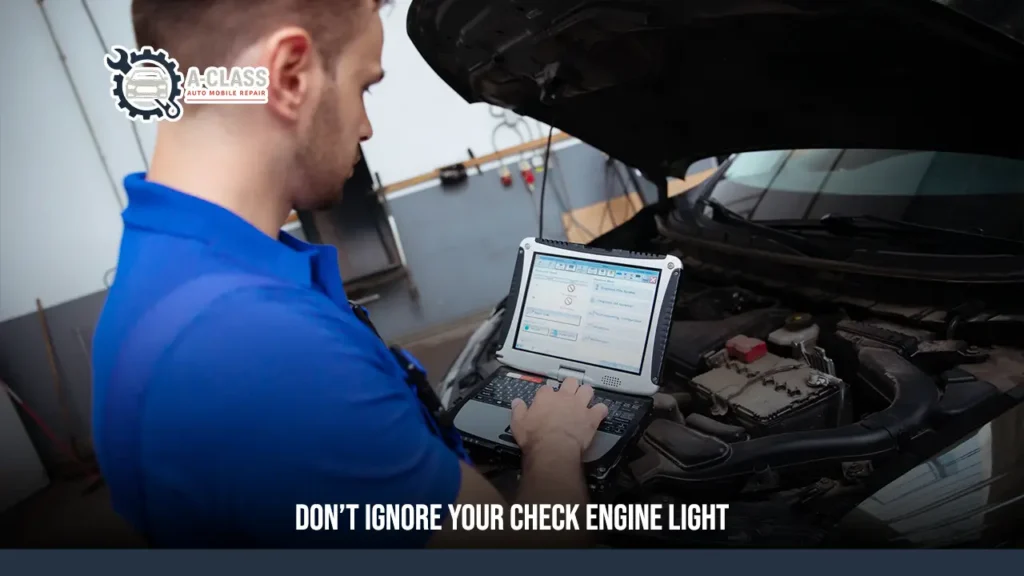
The check engine light typically illuminates due to common mechanical issues such as a loose gas cap, a faulty oxygen sensor, worn spark plugs, or a failing catalytic converter. Ignoring this vital dashboard warning can quickly turn a minor sensor malfunction into a catastrophic and expensive engine failure
. To deal with it safely, you should immediately schedule a professional mobile diagnostic scan to accurately decode the exact error and resolve the root cause on the spot.
What Does the Check Engine Light Mean?
The check engine light is a vital visual indicator from your vehicle’s onboard computer system signaling a direct malfunction within the engine, transmission, or emissions components.
It illuminates in amber or yellow to instantly warn the driver that a specific sensor has detected an electrical or mechanical abnormality outside of its normal range. This critical alert requires an immediate professional OBD-II scan to accurately decode the hidden issue before it escalates into a dangerous and expensive breakdown.
Top Reasons Your Check Engine Light Is On in 2026
The most common electrical and mechanical triggers that activate your dashboard warning indicator include:
- Faulty Oxygen Sensor: Your vehicle relies on this sensor to monitor unburned oxygen in the exhaust, and ignoring it can ruin your fuel economy and eventually damage other expensive engine components.
- Loose or Damaged Gas Cap: A surprisingly simple issue like a loose cap disrupts the fuel delivery system’s internal pressure, triggering the computer to alert you of potential harmful fuel vapor leaks.
- Failing Catalytic Converter: This vital exhaust component reduces environmental emissions, and neglecting to book a check engine light service near me can lead to a completely clogged system that stops your car from running.
- Charging System Issues: Problems with your alternator or battery can trigger the light; if your battery isn’t holding a charge, you may need to visit a charging system repair shop to prevent a total electrical failure while driving.
- Worn Spark Plugs and Wires: Damaged ignition components directly cause engine misfires, leading to rough idling, noticeable loss of acceleration power, and a flashing dashboard light that requires immediate attention.
- Mass Airflow Sensor Malfunction: When this sensor fails to properly measure the air entering the engine, your car’s computer cannot balance the air-to-fuel ratio, resulting in stalling and poor overall performance.
How a Check Engine Light Diagnostics Test Works
Finding the exact root cause of your dashboard warning involves a precise and professional process including the following steps:
Connecting the Advanced Scanner
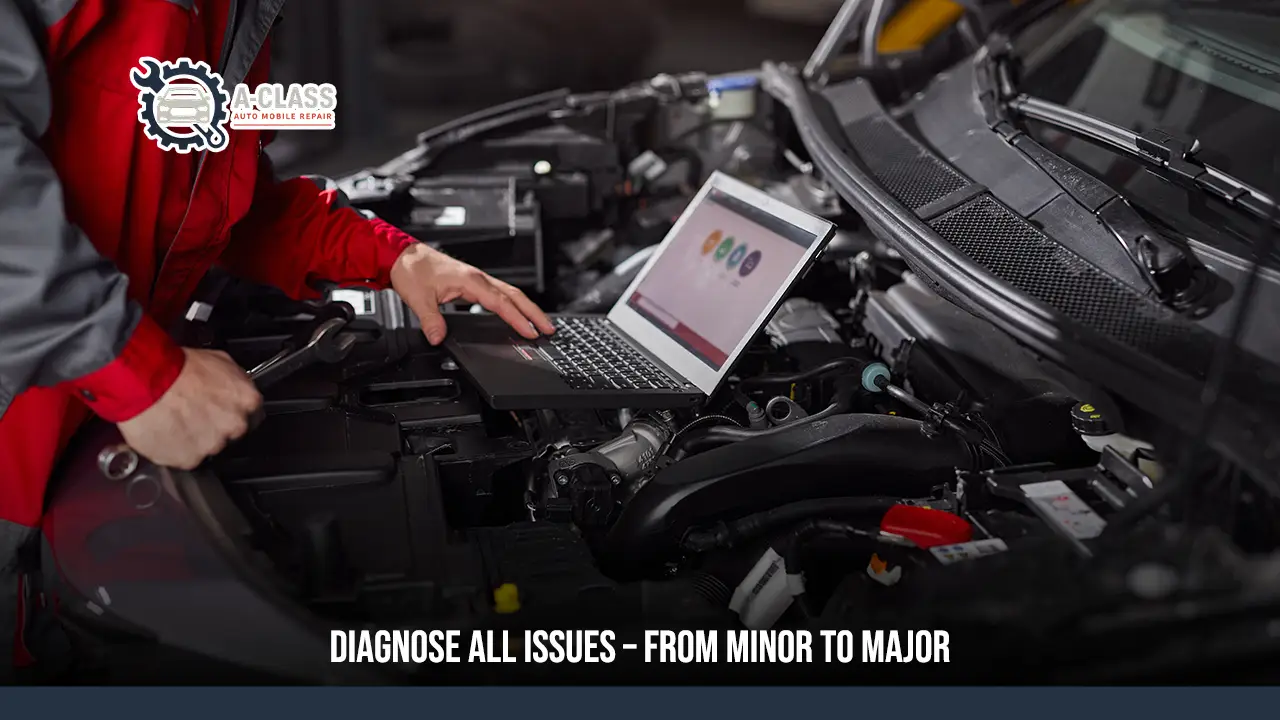
Our mobile mechanics hook up a specialized OBD-II scanner directly to your vehicle’s computer port to retrieve the specific digital malfunction codes.
This crucial first step ensures we get an accurate reading during your diagnostic test for check engine light.
Expert Code Translation
We never rely solely on generic code definitions that can mislead average mechanics into replacing the wrong parts.
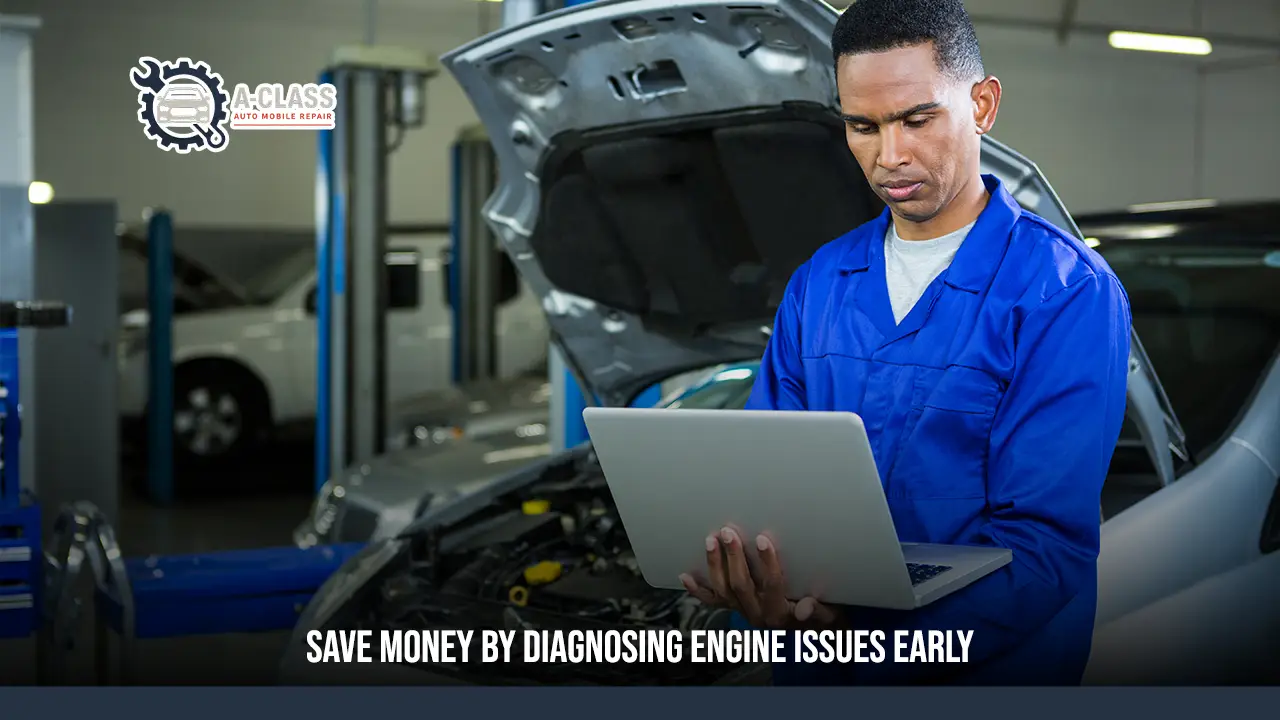
Our certified technicians expertly translate this raw digital data to pinpoint the exact failing engine or emissions component.
Thorough Visual Inspection
The retrieved digital codes are always verified through a meticulous physical inspection under your car’s hood.
We actively look for disconnected vacuum hoses, chewed electrical wires, or physically broken sensors that scanners might miss.
Live Engine Data Monitoring
We carefully observe your vehicle’s live performance metrics while the engine is actively running and reaching normal temperatures.
This dynamic testing allows us to catch intermittent drivability issues that a simple static code scan cannot detect.
Providing a Transparent Repair Plan
Once the true mechanical root cause is identified, A-Class Auto provides a clear and honest upfront repair estimate.
Read More: Why Your Car Displays ‘Maintenance Required’ & What to Do
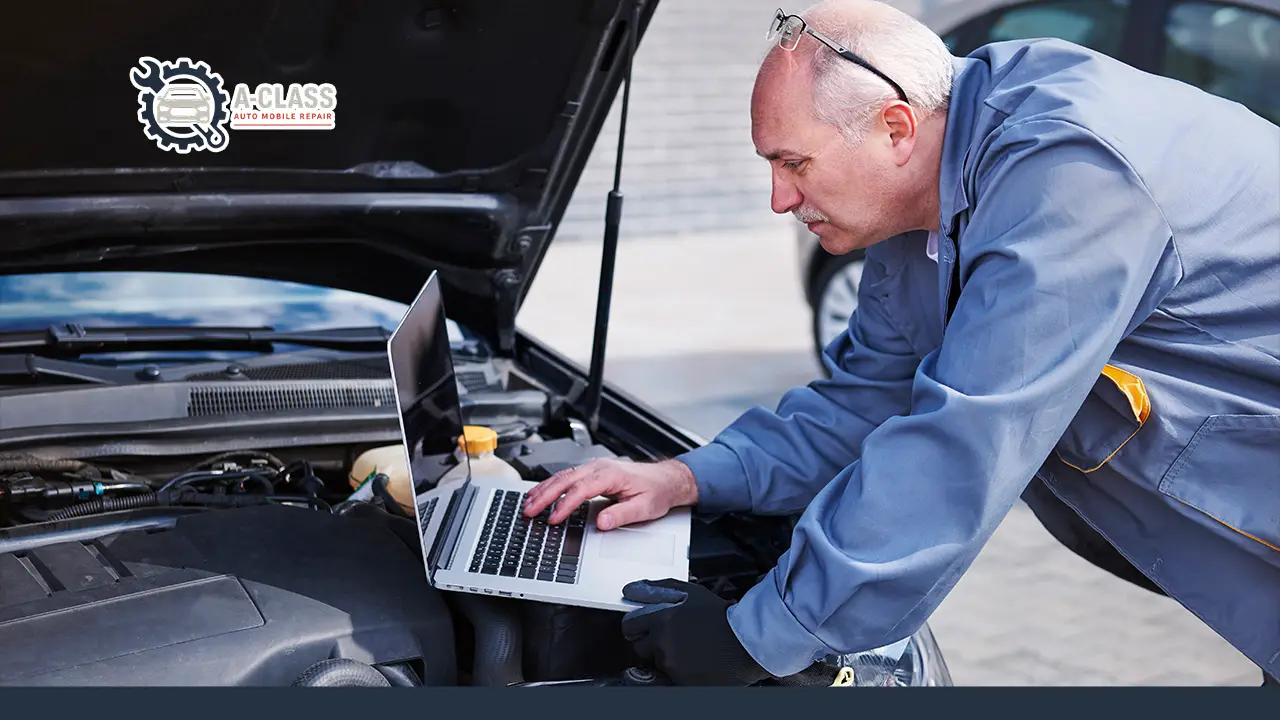
When to Search for a car engine check near me
You must urgently contact our reliable Houston mobile mechanics if your vehicle exhibits any of the following critical warning signs:
- Flashing Dashboard Warning Light: A blinking light signals a severe misfire. Pull over immediately to prevent destroying your catalytic converter.
- Sudden Loss of Engine Power: If your car hesitates to accelerate or enters limp mode, pull over safely to prevent total breakdowns.
- Rough Idling and Frequent Stalling: Intense vibrations or stalling at red lights indicate failing spark plugs or vacuum leaks requiring urgent repair.
- Noticeable Drop in Fuel Efficiency: A sudden drop in gas mileage means a failing oxygen sensor is burning excess fuel daily.
- Unusual Exhaust Smells or Smoke: Strong exhaust smells or thick smoke indicate a compromised emissions system. Getting a car engine check near me is essential.
Tips to Prevent the Check Engine Light from Turning On
Keeping your dashboard clear of expensive warning indicators requires a proactive approach to vehicle care, including the following strategies:
Regular Vehicle Maintenance
Sticking to your manufacturer’s recommended service schedule is the most effective way to prevent unexpected dashboard warnings.
Routine tune-ups by our mobile mechanics ensure your spark plugs are replaced long before they cause rough idling.
Using Quality Fuel and Parts
Always fill your tank with the correct octane fuel to prevent engine knocking and protect your catalytic converter.
When repairs are necessary, we exclusively use high-quality OEM parts to guarantee optimal sensor performance and vehicle reliability.
Secure Your Gas Cap Properly
Always ensure you tighten your fuel cap until it clicks multiple times after every single visit to the gas station.
This simple two-second habit maintains internal fuel system pressure and prevents the most common diagnostic trouble codes.
Monitoring Fluid Levels Consistently
Regularly checking your engine oil changes and coolant protects your engine’s internal moving parts from severe friction and wear.
Maintaining proper fluid levels prevents catastrophic overheating, which is a leading cause of permanent engine and sensor damage.
Addressing Minor Issues Promptly
Never ignore small changes in how your car drives, such as slight hesitations or sudden minor drops in fuel economy.
Fixing these minor drivability symptoms early prevents them from escalating into major mechanical failures that trigger emergency lights.
Keep Your Vehicle Safe with Regular Diagnostics
Your vehicle’s warning system is designed to keep you safe and prevent catastrophic mechanical failures while driving around Houston.
Do not let a simple glowing dashboard symbol turn into an expensive towing nightmare or a ruined engine.
Contact A-Class Auto today, and let our expert mobile mechanic in Houston bring the repair shop directly to your driveway or office. Book your reliable check engine light service near me right now, and enjoy complete peace of mind knowing your car is in the hands of certified professionals.
Read More: top 10 low maintenance car brands
Frequently Asked Questions by Houston Drivers
Can extreme Houston heat trigger my check engine light?
Yes, the brutal Texas summer temperatures can easily cause your vehicle’s sensitive cooling system sensors to detect dangerous overheating issues.
High heat also accelerates battery wear and expands fuel vapors, frequently triggering emission codes that require a professional mobile scan.
Will a check engine light fail my Texas state inspection?
Absolutely, Harris County mandates strict emissions testing, and an active dashboard warning light guarantees an automatic state inspection failure.
You must have a certified mechanic diagnose and permanently fix the underlying emissions or sensor issue before you can legally retest your vehicle.
Is it safe to drive on I-45 with an active warning light?
Driving on busy Houston highways with a solid light is risky, but a flashing light is an absolute emergency requiring you to pull over safely.
A blinking warning indicates a severe misfire that can cause your car to stall dangerously in the middle of fast-moving highway traffic.
Can driving through heavy Houston rain cause sensor issues?
Navigating through flooded local streets or heavy seasonal downpours can easily splash water directly into your vehicle’s sensitive electrical connections.
Moisture entering the lower oxygen sensors or the mass airflow system will instantly trigger the main computer to illuminate the engine warning light.
How fast can A-Class Auto reach me during rush hour?
We dispatch our fully equipped mobile vans from strategic locations across the city to bypass the worst traffic bottlenecks as efficiently as possible.
Our primary goal is to reach stranded drivers quickly, offering same-day emergency diagnostics right where your car is safely parked.