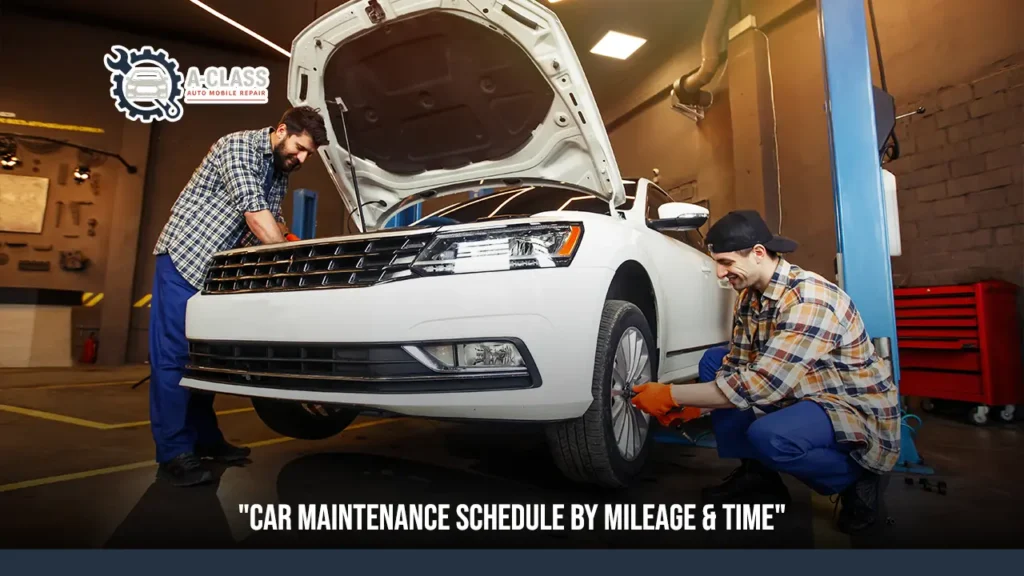
A car maintenance schedule is the key to keeping your vehicle safe, reliable, and running at peak performance. It’s built around regular inspections and timely part replacements, with minor services every 6 months or 10,000 km such as oil changes, fluid checks, and tire inspections and major services at higher mileage intervals like 30,000, 60,000, and 90,000 miles for more intensive work, including spark plugs and timing components. While general guidelines are helpful, your owner’s manual remains the most accurate reference, especially when factoring in driving conditions, climate, and vehicle usage.
At its core, a proper maintenance plan includes oil changes every 3,000–10,000 miles (or 3–6 months), tire rotations every 5,000–8,000 miles, annual battery testing, and air and cabin filter replacements every 15,000–30,000 miles. Following a structured car maintenance schedule doesn’t just prevent unexpected breakdowns—it improves fuel efficiency, extends your car’s lifespan, and protects both your safety and your investment over the long term.
What Is a Car Maintenance Schedule?
A car maintenance schedule is a manufacturer-provided, mileage/time-based plan detailing when to perform routine services like oil changes, fluid checks, filter replacements, and inspections to keep a vehicle running reliably and prevent major issues, found primarily in the owner’s manual. Key tasks include oil/filter changes, tire rotations, fluid top-offs (coolant, brake, transmission), air/cabin filter swaps, and brake checks, often following patterns like 30-60-90 day/mile intervals.
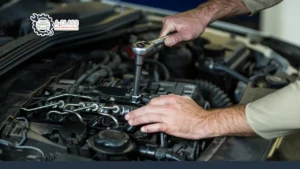
Keep your vehicle safe with A-Class routine car maintenance in Houston
Why Following a Car Maintenance Schedule Is Important
Following a car maintenance schedule is essential for keeping your vehicle safe, reliable, and cost-effective over time. Routine maintenance helps identify wear and minor issues early before they turn into major, expensive repairs. By staying consistent with oil changes, fluid checks, inspections, and timely replacements, you protect your car’s performance, efficiency, and long-term value.
A structured maintenance plan also ensures your vehicle operates as designed, improving fuel efficiency and reducing the risk of unexpected breakdowns. For newer vehicles, adhering to the recommended service intervals may also be necessary to maintain warranty coverage. Overall, regular maintenance gives drivers confidence, safety, and peace of mind on the road.
Key Benefits of Regular Car Maintenance
- Prevents Costly Repairs: Catching small issues such as worn belts, low fluids, or clogged filters early prevents serious mechanical failures and high repair costs.
- Enhances Safety: Regular inspections help identify brake wear, tire damage, lighting issues, and other safety-critical problems before they become dangerous.
- Improves Fuel Economy: Properly inflated tires, clean fluids, and a well-maintained engine help your vehicle run more efficiently and consume less fuel.
- Extends Vehicle Lifespan: Consistent care reduces long-term wear and tear, allowing your car to last longer and perform better over time.
- Maintains Performance & Reliability: Routine servicing keeps systems working smoothly, minimizing breakdowns and ensuring dependable performance.
- Protects Your Warranty: Many manufacturer warranties require proof of scheduled maintenance to remain valid.
- Increases Resale Value: A complete maintenance history shows responsible ownership, making your car more attractive to buyers and increasing its resale or trade-in value.
General Car Maintenance Schedule by Mileage
Following a mileage-based car maintenance by mileage helps ensure your vehicle receives the right care at the right time. While exact intervals vary by manufacturer and driving conditions, the guidelines below cover the most common service milestones for most vehicles.
Routine Checks
Every 5,000–10,000 Miles or Every 6 Months
- Oil & Filter Change: Essential for engine protection. Intervals depend on oil type conventional oil typically requires more frequent changes than synthetic oil.
- Tire Rotation: Helps promote even tread wear and extend tire life; usually performed alongside oil changes.
- Fluid Level Checks: Inspect and top up brake fluid, coolant, power steering fluid, and windshield washer fluid.
- Tire Inspection: Check tire pressure and tread depth to maintain safety, handling, and fuel efficiency.
- Wiper Blades: Inspect for streaking or cracking and replace when worn, typically once per year.
Milestone Services
- 30,000-Mile Service: Includes routine maintenance plus inspections of belts, hoses, suspension components, and brakes. Spark plugs and certain fluids may also be checked or replaced depending on the vehicle.
- 60,000-Mile Service: Often involves transmission fluid replacement, new engine and cabin air filters, and more detailed inspections of drive belts and cooling system components.
- 90,000-Mile Service: A major service interval that may include timing belt replacement (if equipped), spark plug replacement, fluid changes, and comprehensive system inspections.
Always consult your owner’s manual for manufacturer-specific recommendations, especially for vehicles like Honda, Mazda, or VW, as service intervals and requirements can vary significantly.
Follow our 50,000 mile car maintenance guide for oil changes, tire rotations, and fluid checks.
Honda Accord Car Maintenance Schedule
The Honda Accord typically requires maintenance every 7,500 miles, focusing on routine services such as oil changes, tire rotations, and fluid inspections. As mileage increases, additional inspections and part replacements become necessary to maintain performance, reliability, and safety.
Newer Honda Accord models use Honda’s Maintenance Minder System, which provides personalized service alerts based on driving conditions, so always follow the dashboard codes and owner’s manual for exact requirements.
Mazda Car Maintenance Schedule
A Mazda car maintenance schedule is designed to keep your vehicle efficient, reliable, and safe over the long term. Most Mazda models require oil and filter changes every 7,500–10,000 miles or when the wrench indicator light appears, along with regular tire rotations and system inspections. However, service intervals vary by model, engine type (such as SKYACTIV-G or SKYACTIV-G 2.5T), and driving conditions, so always follow your owner’s manual for exact recommendations.
How to Customize Your Car Maintenance Schedule
Every car is different, and factors like model, driving habits, and conditions can affect how often maintenance is needed. Customizing your car maintenance schedule ensures your vehicle stays safe, reliable, and efficient. Follow these steps:
1. Start with the Owner’s Manual
Your owner’s manual is your most reliable guide for manufacturer-recommended service intervals, including mileage and time-based checks. Focus on key tasks such as:
- Oil and filter changes.
- Tire rotations.
- Brake inspections.
- Fluid checks (coolant, transmission, brake).
- Air filter replacements.
2. Factor in Your Driving Style
Driving conditions can dramatically affect wear and tear:
- Severe Driving Conditions: Frequent short trips, dusty roads, extreme weather, towing, heavy idling, or stop-and-go traffic may require more frequent servicing.
- Normal Driving Conditions: For mostly highway or moderate daily driving, you can follow the standard intervals recommended in your manual.
3. Track & Remind Yourself
Staying organized helps prevent missed maintenance:
- Digital Tools: Use apps or smartphone reminders to alert you for upcoming services.
- Physical Logs: Keep a notebook or spreadsheet to track service dates, mileage, and details.
- In-Car Alerts: Modern vehicles often include dashboard reminders use them for extra security.
4. Schedule Proactive Checks
Proactive inspections reduce the risk of unexpected problems:
- Monthly Checks: Oil and coolant levels, tire pressure, and lights.
- Bi-Annual/Annual Checks: Full professional evaluations including diagnostics, brakes, suspension, and other critical systems.
5. Get Expert Input
Consult a trusted mechanic or service professional to tailor your schedule to your car’s age, model, and condition. Personalized advice ensures you only perform necessary tasks while maximizing your vehicle’s lifespan and performance.
Learn the key tasks for car maintenance at 100k miles to keep your engine running smoothly.
Common Car Maintenance Schedule Mistakes to Avoid
Even the most careful car owners can make mistakes that reduce vehicle performance, safety, and longevity. Avoid these common errors to keep your car running smoothly:
- Skipping Oil Changes
Old oil loses its lubricating properties, causing friction and wear on engine parts. Always use the recommended oil type and adhere to the intervals listed in your owner’s manual.
- Ignoring Dashboard Warning Lights
Lights such as Check Engine, ABS, or battery warnings are early indicators of potential issues. Delaying diagnosis can turn small, inexpensive repairs into major, costly problems.
- Neglecting Tire Maintenance
Underinflated or worn tires reduce grip, decrease fuel efficiency, and increase blowout risk. Check tire pressure monthly and rotate or replace tires as needed.
- Forgetting Fluid Checks
Essential fluids including coolant, brake fluid, transmission fluid, and power steering fluid are critical for safe operation. Don’t just top off fluids; check levels regularly to prevent overheating and system failures.
- Delaying Brake Services
Squealing or grinding brakes indicate worn pads. Ignoring these signs can damage rotors, leading to far more expensive repairs and compromised safety.
- Overlooking Filters
Clogged engine or cabin air filters reduce fuel efficiency and engine performance. Fuel filters also require periodic replacement to prevent impurities from damaging your engine.
- Ignoring Belts and Hoses
Worn or cracked belts and hoses can cause sudden breakdowns. Inspect them regularly and replace at the first signs of fraying, cracking, or wear.
- Using Wrong Fluids or Parts
Using low-quality or incorrect oil, fluids, or replacement parts can harm your vehicle’s components and reduce reliability. Always follow manufacturer specifications.
What Happens If You Ignore a Car Maintenance Schedule?

Neglecting your car’s maintenance schedule can lead to a cascade of problems that affect safety, performance, and your wallet. Common consequences include:
- Safety Hazards: Worn brakes, underinflated tires, or failing lights can lead to accidents or blowouts.
- Expensive Breakdowns: Minor issues like delayed oil changes or clogged filters can escalate into major engine or transmission failures.
- Reduced Performance: A poorly maintained car may struggle with acceleration, braking, or handling.
- Lower Fuel Efficiency: Dirty filters, old fluids, and unmaintained tires force your engine to work harder, increasing fuel consumption.
- Shorter Vehicle Lifespan: Ignoring routine maintenance accelerates wear and tear, reducing the overall life of your car.
- Voided Warranty: Skipping scheduled maintenance can violate your manufacturer’s warranty, leaving you fully responsible for repairs.
Don’t wait for a breakdown to remind you. Use your car’s maintenance schedule to plan oil changes, tire rotations, fluid checks, and inspections. Start your personalized car maintenance schedule today and keep your car running like new with A- Class.
FAQ
Is the 100,000 Mile Car Maintenance Checklist the Same for All Cars?
No, the 100000 mile car maintenance checklist can vary depending on the make, model, and year of your vehicle. While many cars share common tasks like timing belt inspections, spark plug replacements, and fluid flushes, always consult your owner’s manual for model-specific recommendations. Factors such as driving conditions and vehicle type (sedan, SUV, hybrid) can also affect the schedule.
Do Different Car Brands Need Different Maintenance Schedules?
Yes, different brands follow unique maintenance intervals. For example, a VW car maintenance schedule might emphasize certain inspections or fluid replacements at specific mileages, while Honda Accord car maintenance schedules or Mazda car maintenance schedules have their own recommended tasks.
Can a Car Maintenance Schedule Reduce Long-Term Repair Costs?
Absolutely. Sticking to a car maintenance schedule helps catch minor issues early before they escalate into costly repairs. Routine services like oil changes, tire rotations, brake inspections, and filter replacements prevent major component failures, improve fuel efficiency, and extend your vehicle’s lifespan, saving you money in the long run.
What is the Most Important Maintenance on a Vehicle?
The most critical maintenance tasks include regular oil and filter changes, brake inspections, tire care, fluid checks, and timely replacement of belts, hoses, and spark plugs.