While computerized scans are incredibly accurate at instantly pinpointing hidden engine misfires, transmission faults, and complex electronic sensor failures, they simply cannot physically detect structural mechanical wear like thinning brake pads or leaking suspension struts.
Therefore, a diagnostic scan is undeniably the absolute best first step for addressing sudden performance drops or illuminated warning lights, but it must be intelligently combined with a hands-on visual inspection by a professional mechanic.
This completely integrated approach guarantees that both the digital brain and the physical, heavy metal components of your vehicle are fully evaluated and entirely safe to drive.
What Car Diagnostics Actually Means
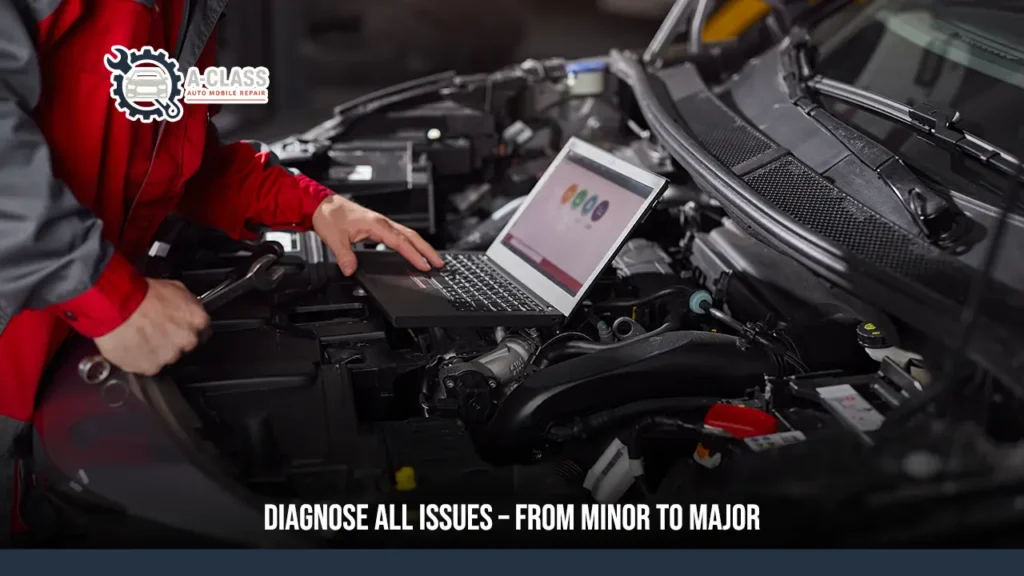
Car diagnostics is a sophisticated digital dialogue between your vehicle’s central computer and professional scanning tools, designed to translate complex electronic signals into clear, actionable data.
This precise process instantly pinpoints the root cause of hidden malfunctions, effectively eliminating the expensive guesswork and unnecessary labor associated with traditional “trial-and-error” repairs. By providing a detailed roadmap of your car’s internal health, these diagnostic scans ensure that technicians address the exact failing component on the very first visit.
Ultimately, it transforms confusing dashboard warnings into a straightforward, cost-effective solution that restores your vehicle’s peak performance and long-term reliability.
When Diagnostics Is the Best First Step
Scheduling a professional car diagnostic service should always be your immediate and primary response when you suddenly encounter any of the following frustrating vehicle behaviors:
- Sudden Dashboard Warning Lights: Whenever the check engine light or any other mysterious indicator unexpectedly illuminates while driving, a computerized scan is the only accurate way to decode the warning without relying on blind guesswork.
- Failing an Emissions Test: If your vehicle unexpectedly fails a mandatory state emissions inspection, a digital read-out will instantly pinpoint the exact faulty oxygen sensor or degraded catalytic converter responsible for the poor result.
- Unexplained Drops in Fuel Economy: Experiencing a sudden, noticeable decrease in your daily gas mileage heavily suggests a hidden electronic malfunction that is silently throwing off your engine’s delicate air-to-fuel ratio.
- Rough Idling and Random Stalling: When your car violently shakes at a red light or completely shuts off in traffic, scanning the internal computer quickly identifies the exact disrupted sensor causing the power loss.
- Evaluating a Pre-Owned Vehicle: Running a thorough digital check and conducting pre-purchase inspections before handing over cash for a used car is a vital protective measure that instantly reveals any hidden, recently cleared error codes the seller might be trying to hide.
The Technology Behind Modern Car Diagnostics
The impressive accuracy of modern automotive diagnostics relies on a sophisticated network of hidden computers and responsive sensors working seamlessly together:
The Engine Control Module (ECM)
Think of the ECM as the primary brain of your vehicle, constantly making split-second decisions to keep the entire system running smoothly.
It continuously monitors incoming data from dozens of engine sensors to perfectly balance the air-to-fuel ratio and ignition timing for maximum daily efficiency.
The Standardized OBD-II Port
Every modern car features a universal On-Board Diagnostics port securely hidden just beneath the driver’s side dashboard area.
This exact plug-in allows professional scanners to establish a secure, direct link with the vehicle’s internal computer network to download stored error logs.
Sophisticated Scanning Tools
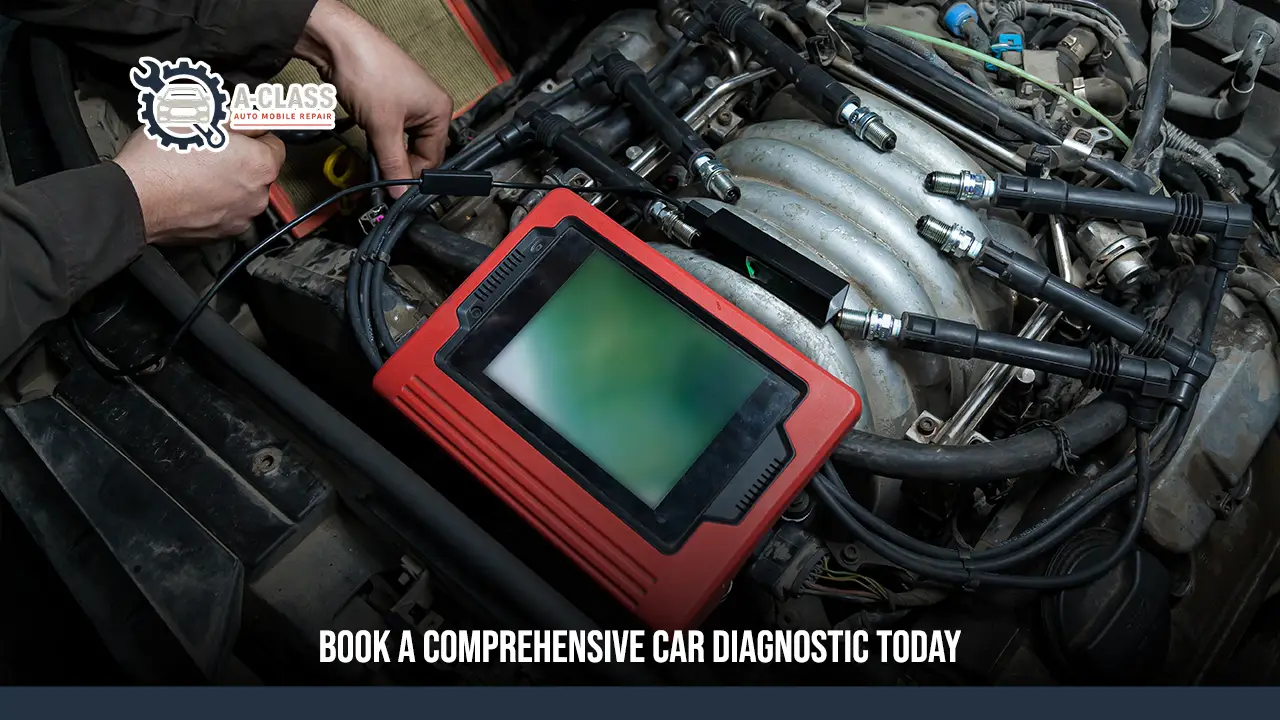
Professional-grade scanning devices are incredibly advanced handheld computers, vastly superior to the cheap, basic code readers found at local auto parts stores.
They have the processing power to read specific manufacturer codes, view live streaming data, and even command specific vehicle components to test their individual functionality.
A Network of Sensitive Sensors
Your car is packed with highly sensitive electronic monitors that constantly measure everything from internal coolant temperature to the exact amount of oxygen in your exhaust.
The moment one of these vital sensors detects a physical reading outside of its normal operating range, it instantly triggers a warning to the main computer.
Diagnostic Trouble Codes (DTCs)
When a malfunction is completely verified by the sensors, the computer generates a specific alphanumeric sequence known as a trouble code to permanently log the event.
These standardized digital codes point the technician directly to the failing system or circuit, making the initial troubleshooting phase incredibly fast and highly accurate.
Read More: top 10 low maintenance car brands
Types of Problems Car Diagnostics Can Detect
Running a comprehensive car diagnostics scan is highly effective at pinpointing a wide variety of specific internal failures, including the following common vehicle problems:
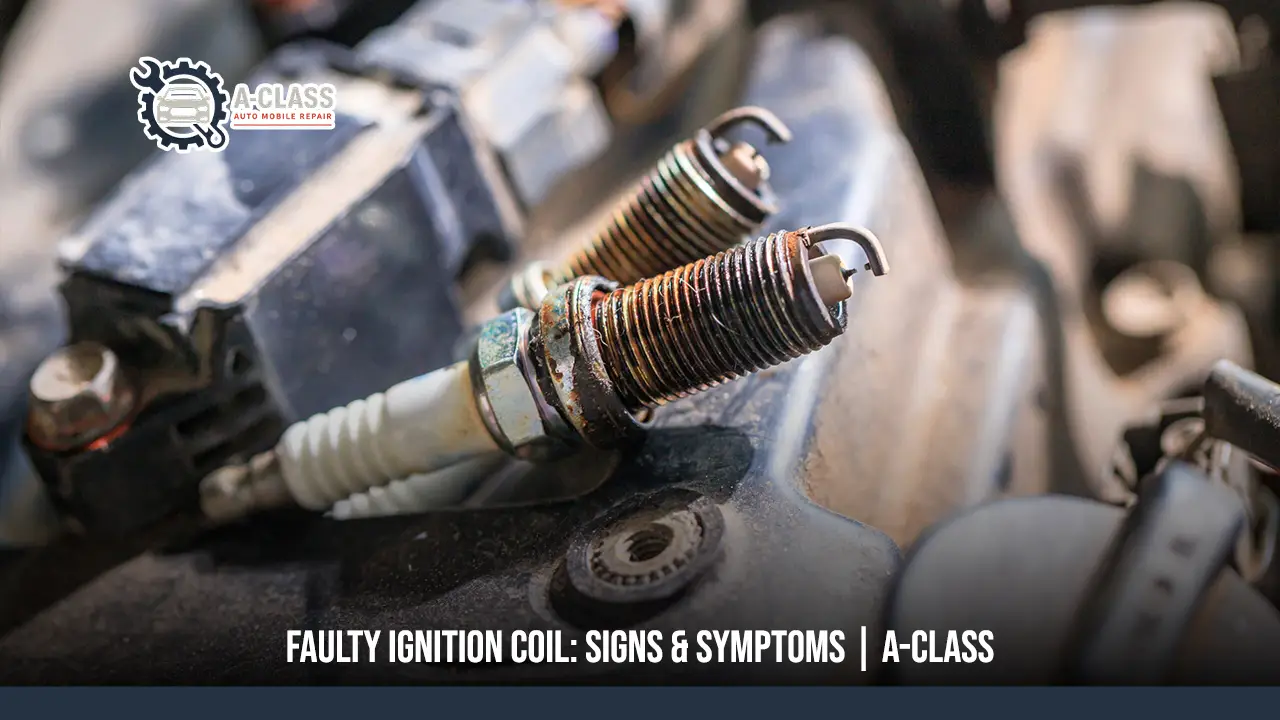
- Engine and Ignition Misfires: Detecting worn-out spark plugs or faulty ignition coils that make your vehicle stutter, hesitate, and struggle to gain speed during acceleration.
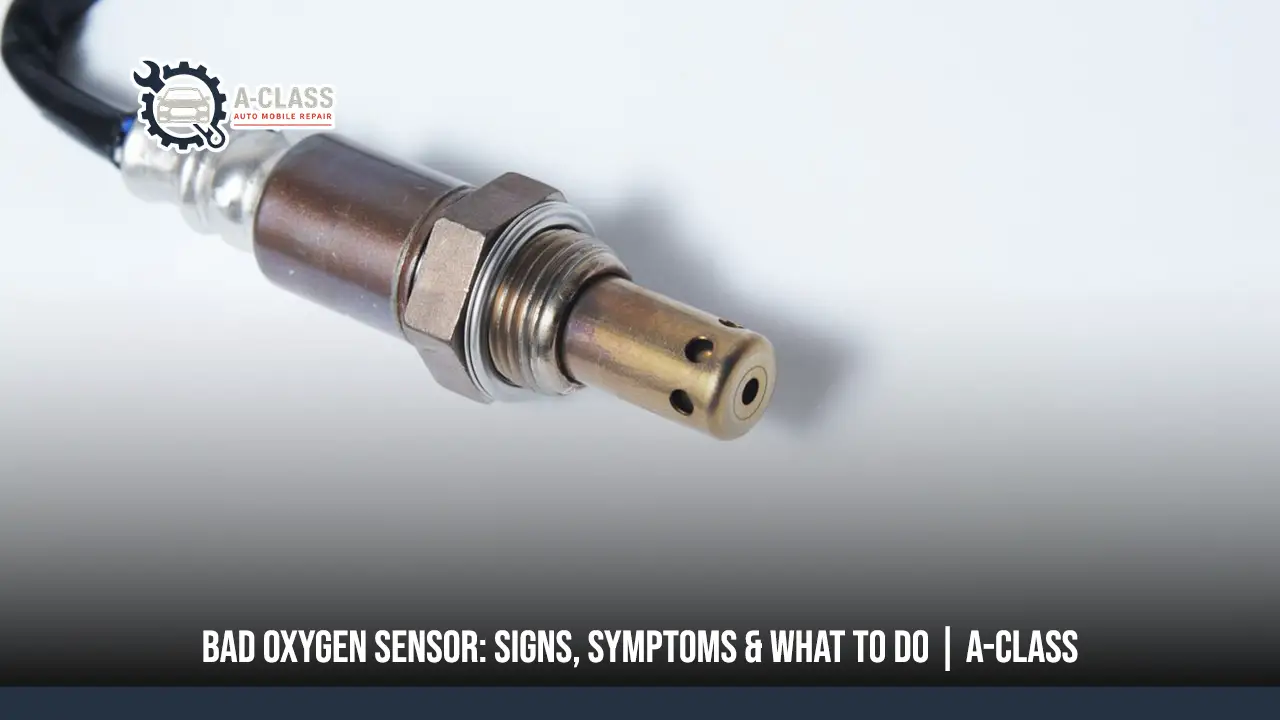
- Exhaust and Emissions Failures: Identifying a degrading catalytic converter or a sluggish oxygen sensor that directly harms your daily fuel economy and causes your car to fail state emissions tests.
- Electronic Transmission Faults: Flagging internal transmission pressure anomalies or delayed shifting patterns long before the physical metal gears break down and require a devastatingly expensive complete rebuild.
- Brake System Performance: Identifying sensor errors within the ABS module or worn pad indicators; we provide professional brake replacement Heights Houston to ensure your stopping power is never compromised.
- Fuel Delivery Restrictions: Pinpointing clogged fuel injectors or a dying fuel pump that restricts the necessary flow of gas, leading to rough idling or an engine that completely refuses to start.
- Cooling and Airflow Glitches: Spotting hidden malfunctions within the mass airflow sensor or the engine coolant thermostat, preventing your motor from dangerously overheating in heavy traffic.
Car Issues That Diagnostics May Not Identify
While computers are incredibly smart, a digital scan cannot see everything, which is why a manual car engine check up is still absolutely required to uncover these specific physical issues:
Worn Brake Pads and Rotors
Your car’s central computer system generally does not have electronic sensors attached directly to the actual friction material of your brake pads or the metal surface of the rotors.
Therefore, identifying dangerously thin pads or warped metal discs still entirely relies on a mechanic physically taking off the wheels and visually inspecting the braking components.
Suspension and Steering Wear
Electronic scanners cannot detect physical looseness or wear in crucial mechanical parts like aging ball joints, tie rods, or leaking shock absorbers that make your ride incredibly bumpy.
A mobile mechanic near me must manually lift the vehicle and physically shake or pry these heavy undercarriage components to accurately assess their structural integrity and overall safety on the road.
Hidden Fluid Leaks
While a dashboard sensor might eventually warn you if your engine oil or coolant level drops drastically low, the computer cannot tell you exactly where the fluid is escaping from.
Finding a silently cracked rubber hose, a weeping water pump, or a damaged oil pan gasket strictly requires a trained human eye and a bright flashlight under the hood.
Tire Condition and Alignment
Modern cars can monitor internal tire pressure, but the computer is completely blind to dangerous tread wear patterns, sidewall bubbles, or a steering wheel that constantly pulls to one side.
Properly evaluating the remaining rubber tread depth, performing a spare tire replacement ,and aligning the wheels flawlessly are physical tasks that require specialized mechanical racks, not a digital code reader.
Strange Noises and Vibrations
A computer module simply cannot hear a loose piece of plastic rattling inside your dashboard or feel a physical, rhythmic vibration coming from a slightly unbalanced drive shaft.
Diagnosing these highly frustrating, sensory-based problems requires an experienced mechanic to actually test drive the car and perfectly replicate the specific conditions you are experiencing.
Need a fast and reliable mobile mechanic in Houston Texas? A-Class Auto offers 24/7 mobile auto repair with 47+ expert mechanics & 8+ years of experience. Call now!
Call NowCombining Diagnostics with Professional Inspection
To achieve a truly comprehensive understanding of your vehicle’s overall health, relying solely on a car diagnostics scan is never enough; it must be perfectly paired with a hands-on mechanical evaluation. Finding a reliable mechanic shop near me in these crucial ways ensures that digital data is backed by professional physical inspection and expert judgment:
Validating the Digital Trouble Codes
A computer code simply acts as a helpful digital compass, pointing the mechanic in the right general direction by indicating which specific circuit or sensor is currently reporting an abnormality.
The technician must then physically trace the actual wiring harness to ensure the issue isn’t just a simple chewed wire or a loosely corroded connector rather than a completely broken, expensive sensor.
Assessing Actual Physical Damage
While the scanning tool can confidently tell you a specific engine cylinder is actively misfiring, it completely lacks the ability to tell you if the root cause is a heavily worn spark plug or a physically cracked ignition coil.
Only by manually removing the actual engine components and inspecting them closely under a bright light can a professional accurately determine the true extent of the physical wear and tear.
Checking Vital Fluid Integrity
Electronic internal sensors might eventually warn you about a dangerously low engine oil or coolant level, but they are entirely blind to the actual visual condition and lubricating quality of the fluid itself.
A trained mechanic needs to physically pull the dipstick to check if the oil is dangerously sludgy, the transmission fluid smells horribly burnt, or the coolant is severely contaminated with rust.
Preventing Unnecessary Part Replacements
Inexperienced mechanics or DIY enthusiasts often make the expensive mistake of blindly replacing the exact part mentioned in the code, which frequently fails to actually solve the underlying root problem.
A seasoned professional uses the scan tool purely as an initial guide but heavily relies on their physical testing and deep mechanical knowledge to repair the actual, hidden source of the failure.
Ensuring Comprehensive Vehicle Safety
A computerized scan will happily report that the engine is running flawlessly, even if the car’s physical brake pads are dangerously worn down to the bare metal and ready to fail.
Therefore, combining the digital brain scan with a highly thorough manual inspection of the tires, brakes, and heavy suspension is the absolute only way to guarantee the car is truly safe to drive on the highway.
How Regular Diagnostics Helps Prevent Major Repairs
Making routine car diagnostics a consistent part of your vehicle’s maintenance schedule acts as a powerful financial shield against devastating mechanical failures in these crucial ways:
- Protecting the Engine Block: Identifying a slightly malfunctioning temperature sensor early completely prevents your engine from silently overheating and warping the expensive metal cylinder head during a long daily commute.
- Preserving the Transmission: Detecting microscopic internal pressure drops or delayed electronic shifting commands immediately saves you from the astronomical cost of completely rebuilding a shredded automatic transmission.
- Saving the Catalytic Converter: Spotting a cheap, failing spark plug or ignition coil instantly stops raw, unburned fuel from dumping into your exhaust system and permanently destroying your highly expensive emissions equipment.
- Stopping the Domino Effect: Addressing one flagged, faulty electronic component promptly prevents it from forcing the surrounding mechanical parts to overwork, a principle that applies equally to finding a specialized charging system repair shop ,which inevitably leads to a massive, cascading chain reaction of secondary breakdowns.
- Maximizing Vehicle Lifespan: Continuously monitoring the internal computer network ensures your engine runs at absolute peak factory efficiency, adding years of reliable life to your car and delaying the heavy financial burden of financing a brand-new vehicle.
Get Expert Help Right at Your Doorstep
Ultimately, recognizing the early warning signs of car trouble is only half the battle; getting a fast, accurate solution is what truly saves you money.
Instead of risking a dangerous breakdown on busy Texas highways or waiting for hours in the lobby of a traditional repair shop, simply contact A-Class Auto for expert mobile services right here in Houston.
Our certified technicians bring the repair shop directly to your driveway or office, providing transparent, on-the-spot solutions to keep your vehicle running powerfully and safely for years to come.
Frequently Asked Questions
Can a diagnostic scan tell me why my car overheats in Houston traffic?
Yes, a professional computerized scan quickly identifies if a failing electronic coolant temperature sensor, a blown fuse, or a malfunctioning electric radiator fan is causing your engine to dangerously overheat during our brutal Texas summers.
Do I need to tow my car to a shop for a diagnostic test in Houston?
Not at all. With specialized mobile mechanics like A-Class Auto, certified technicians come directly to your home, office, or stranded location anywhere in the Houston area equipped with state-of-the-art scanning tools, completely eliminating expensive towing fees.
Will a diagnostic scanner check my AC system before the summer heat hits?
Modern diagnostic tools can easily access your vehicle’s climate control modules to quickly identify hidden electrical faults, failing AC compressor clutches, or faulty blend door actuators that physically stop the cold air from reaching your cabin.
How long does a mobile diagnostic appointment usually take?
The actual computer scanning process and initial data analysis usually take less than an hour. This highly efficient method allows our mobile technicians to quickly provide you with a completely transparent, accurate repair estimate right on the spot.
Are diagnostic tests reliable for older vehicles driven heavily in Texas?
As long as your vehicle was manufactured after 1996 and features a standard OBD-II port, professional diagnostics are incredibly reliable for pinpointing exactly how heavy mileage and extreme local heat have affected your specific engine sensors.