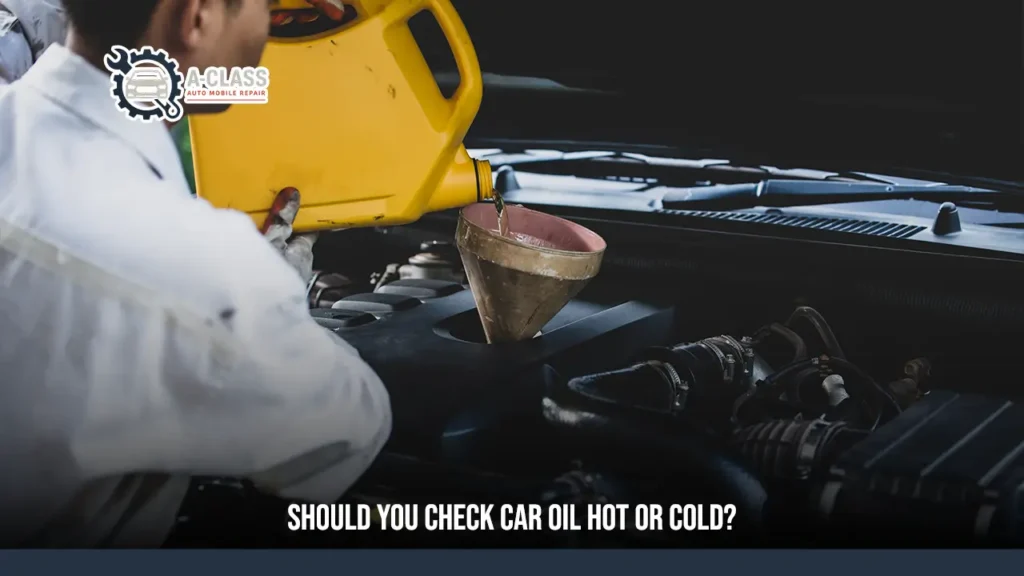
A proper car oil check hot or cold starts with understanding your manufacturer’s recommendation and choosing one consistent method. In most modern vehicles, checking the oil while the engine is warm after letting it sit for 5–10 minutes provides the most accurate reading. Always park on level ground, wipe the dipstick clean, reinsert it fully, and confirm the oil level sits between the minimum and maximum marks before driving.
Why checking oil level is important
Keeping a close eye on your vehicle’s vitals is the simplest way to avoid major headaches, and the primary benefits of a regular check engine oil level are:
Preventing Catastrophic Engine Failure
Maintaining the right fluid volume ensures that every fast-moving metal component stays fully lubricated, stopping the kind of extreme friction that can destroy an engine in minutes.
Early Detection of Hidden Leaks
Noticing a sudden drop on your dipstick serves as a perfect early warning system, allowing you to catch minor gasket or seal issues before they turn into oil puddles on your driveway.
Maintaining Peak Engine Performance
When your motor has exactly the amount of fluid it needs, it operates with much less internal resistance, resulting in a smoother, more responsive feel whenever you hit the gas.
Maximizing Your Vehicle’s Lifespan
Consistent maintenance is the secret to reaching high mileage milestones, ensuring that your car remains a reliable partner for daily commuting or long-distance travel for years to come.
Optimizing Your Fuel Economy
Engines that don’t have to fight against excessive internal friction simply burn less gas, which keeps your fuel costs down and helps your car run much more efficiently overall.
Controlling Internal Operating Heat
Beyond just lubrication, your oil is responsible for carrying heat away from the combustion chamber, preventing sensitive components from warping or cracking due to overheating.
Peace of Mind During Long Trips
Spending just two minutes to verify your levels before a highway journey eliminates the anxiety of a potential breakdown, keeping your focus on the road instead of the dashboard.
If you find your oil is low or notice a leak, don’t risk driving to a shop. Searching for a reliable mobile mechanic near me is the fastest way to get an expert to your location to perform a top-up, oil change, or leak repair right in your driveway.

Should car oil be checked hot or cold?
most modern manufacturers recommend checking your fluid when it is warm, but understanding the right approach for a car oil check hot or cold involves these clear facts:
The Industry Standard (Warm Check)
The general rule for modern vehicles is to check the fluid after the engine has reached its normal operating temperature from a recent drive.
This provides the most accurate measurement because oil naturally expands when heated, showing you the exact volume that circulates while you are on the road.
The Mandatory Cooldown Period
Even though a warm check is recommended, you should never pull the dipstick out the exact second you turn off your ignition.
You must let the car sit parked on a level surface for about five to ten minutes, allowing the fluid in the upper engine to drain safely back into the pan.
The Cold Engine Exceptions
While warm is the modern standard, some specific automakers and older vehicle models still strictly instruct owners to perform inspections on a completely cold engine.
Checking it first thing in the morning ensures all the fluid has settled overnight, offering a very clean, unambiguous line without any splashing on the stick.
The Ultimate Decider
Because internal engine designs vary wildly between different brands, the only way to get a 100% undeniable answer for your exact car is the owner’s manual.
It will explicitly tell you whether the engineers who built your motor calibrated the physical dipstick to be read at a heated or cooled state.
The Synthetic Fluid Factor
If your vehicle runs on high-quality full synthetic fluids, the temperature difference matters slightly less because these modern chemicals are incredibly stable.
They do not expand or contract as drastically as older conventional fluids, meaning a cold reading will still be very close to a warm reading in an emergency.
Need an Expert Opinion?
If you’re unsure about your oil levels or if the dipstick shows signs of contamination, don’t leave it to chance. Contacting a professional mobile mechanic in Houston is the most convenient way to get an on-site oil change or a full engine health check without ever leaving your home or office.
Read More: how to check oil level in car
Step-by-step guide to checking oil level
Getting a highly accurate oil dipstick reading requires following a simple yet specific routine to ensure your engine is properly protected without any guesswork:
- Always park your vehicle on perfectly level ground to ensure the fluid settles evenly in the pan, as even a slight incline can drastically skew the final measurement.
- Turn off the ignition and give the engine at least five to ten minutes to rest, allowing all the circulating liquid in the upper block to safely drain back to the bottom.
- Pop the hood securely and locate the dipstick handle, which is usually brightly colored in yellow or orange and easily accessible near the front or center of the engine.
- Pull the stick out completely and use a clean, lint-free paper towel or shop rag to wipe the entire metal blade dry so you can start with a fresh, unsmudged surface.
- Carefully reinsert the wiped stick all the way back into its tube, ensuring it is fully seated at the base so it reaches the absolute bottom of the fluid reservoir.
- Withdraw the stick one more time in a smooth motion, keeping it completely horizontal so the liquid doesn’t run up or down the metal and give you a false impression.
- Examine the markings at the tip to verify the fluid level sits comfortably between the designated minimum and maximum indicators, confirming your car is safe to drive. If you find your oil level is critically low or see signs of a leak, it may be time to call for roadside assistance to avoid engine damage.
Differences between hot and cold oil readings
Understanding the physical changes your fluid undergoes clarifies the real oil level hot vs cold debate when maintaining your vehicle:
| Comparison Aspect | Hot Oil Reading | Cold Oil Reading |
| Fluid Expansion | Naturally expands due to operating heat, showing the actual volume actively circulating while you are driving. | Remains in its most condensed, contracted state, showing the absolute base volume resting entirely in the pan. |
| Visual Clarity | The fluid becomes thinner when heated, which can sometimes make it slightly harder to see clearly on a shiny metal stick. | The fluid is thicker and darker, providing a very distinct, solid, and easy-to-read line that leaves no room for doubt. |
| Required Settling Time | Absolutely requires waiting 5 to 10 minutes after shutting off the engine to let the upper areas drain properly. | Requires zero waiting time at all if the vehicle has been parked in your driveway or garage overnight. |
| Personal Safety | Carries a minor risk of accidental burns if you accidentally brush your hand against hot engine components or the exhaust. | Completely safe and comfortable to perform without any risk of burning your hands on heated metal parts under the hood. |
| Manufacturer Preference | Highly recommended by most modern automakers because it accurately reflects the fluid’s behavior under real-world driving conditions. | Often preferred by older vehicle manufacturers or required for specific high-performance engines with tight internal tolerances. |
Need a fast and reliable mobile mechanic in Houston Texas? A-Class Auto offers 24/7 mobile auto repair with 47+ expert mechanics & 8+ years of experience. Call now!
Call NowCommon oil checking mistakes
Avoiding simple errors during a routine car oil inspection ensures you get an accurate reading without accidentally damaging your engine:
- Pulling the stick out and reading it immediately without wiping it clean first will always give you a falsely high and completely inaccurate fluid measurement.
- Holding the wiped metal blade upside down or at a steep angle causes the liquid to run down the stick, instantly ruining the exact measurement line you need to see.
- Checking the level the exact second you turn off the ignition doesn’t give the thick fluid enough time to drain back down into the main reservoir pan.
- Focusing only on the volume while completely ignoring the fluid’s color or burnt smell means you might miss critical signs of internal mechanical failure or coolant leaks.
- Mistaking the transmission fluid dipstick for the engine lubrication one can lead to pouring the wrong chemical into the wrong system, causing catastrophic damage.
- Adding a full quart of new fluid just because the level is slightly below the maximum line often leads to dangerous overfilling and excessive internal engine pressure.
- Forgetting to push the handle firmly all the way back into its tube until it clicks leaves a vacuum leak and allows harmful road dirt to enter the engine block; if you notice electrical flickering while doing this, you may need a charging system repair shop to inspect your battery and alternator connections.
How often to check engine oil
Developing a consistent maintenance schedule is just as important as knowing how to perform a car oil check hot or cold, and here is when you should look under the hood:
The Monthly Baseline Habit
Every driver should establish a strict routine of popping the hood at least once a month, regardless of how new or reliable their vehicle is.
This consistent frequency catches slow, invisible leaks early on and keeps you fully aware of your engine’s health long before a dashboard light forces you to panic.
Before Extended Road Trips
You should never embark on a long highway journey without verifying that your fluid levels are safely sitting right in the middle of the dipstick markers.
Driving at sustained high speeds burns through lubrication much faster than normal city commuting, making this quick visual check an absolute safety necessity.
Older High-Mileage Vehicles
Cars with over 100,000 miles naturally consume more fluid as internal rubber seals age, harden, and slowly wear down over years of continuous driving.
For these aging but reliable engines, taking a minute to verify the volume every time you fill up your gas tank is a smart, defensive strategy to prevent running dry.
After Noticeable Dashboard Warnings
If your check engine or low-pressure light flickers even for a single second while driving, you must pull over safely and inspect the situation immediately.
Getting an instant visual reading in an emergency scenario can literally save your expensive motor from instant, irreversible destruction.
Following a Professional Service
Even highly certified mechanics can occasionally make mistakes, so verifying the level the morning after an oil change is always a wise and protective move.
This simple step ensures the shop didn’t accidentally underfill the reservoir or leave the bottom drain plug slightly loose, protecting your financial investment.
If your schedule is too busy for these routine checks or you’ve noticed the level is low, you can easily book a professional Oil change at home Humble TX to keep your engine running smoothly without leaving your driveway.
Keep Your Engine Protected with A-Class Auto Repair
Consistently monitoring your fluid levels is the absolute best way to protect your engine from premature wear and unexpected breakdowns.
However, if you pull the dipstick and notice the fluid is dangerously low, smells heavily burnt, or if your dashboard warning lights suddenly illuminate, it is time to call in the professionals before minor wear turns into a massive repair bill.
At A-Class Auto Repair, we take the hassle out of vehicle maintenance by bringing the auto shop directly to you. Our certified mobile mechanics provide expert car diagnostics, fluid leak inspections, and comprehensive engine repairs right at your home, workplace, or on the roadside anywhere in Houston. You never have to waste your day waiting in a repair shop lobby again.
Don’t let a simple oil issue compromise your vehicle’s reliability.
Call us today at (713-909-3696) or Book Your Mobile Service Online for fast, transparent, and professional auto care wherever you are in Houston!
Frequently Asked Questions About Car Oil Check Hot or Cold
Is it bad to check oil when engine is hot?
No, it is not bad at all. In fact, most modern vehicle manufacturers highly recommend checking the fluid when it is warm.
Just make sure you park on a level surface and wait a few minutes after turning off the ignition to get a highly accurate reading.
How long should the engine cool before checking oil?
You should let the vehicle sit for at least five to ten minutes after turning it off.
This brief resting period allows all the thick liquid circulating at the top of the motor to safely and completely drain back down into the main pan.
Why does oil level change after driving?
The fluid naturally expands in physical volume due to the intense heat generated by engine combustion.
This thermal expansion is exactly why understanding the dynamics of a car oil check hot or cold is so important for keeping your vehicle properly maintained.