If you’re asking why is my car burning oil, the most common causes are worn piston rings, hardened valve seals, or a faulty PCV system that allows oil to enter the combustion chamber.
Burning oil often shows up as blue exhaust smoke, a strong burning smell, or dropping oil levels without visible leaks.
Common reasons why a car burns oil
If you are constantly topping up your dipstick and wondering why is my car burning oil without leaving a single puddle on the driveway, here are the main culprits:
- A clogged PCV valve: This tiny valve regulates pressure, and when it gets blocked, it forces oil directly into the combustion chambers.
- Worn piston rings: When these rings degrade, they fail to scrape oil off the cylinder walls, letting it burn up and causing a massive spike in your engine oil consumption.
- Brittle valve seals: Over time, intense engine heat bakes these rubber seals until they crack, allowing oil to leak downward into the cylinders.
- Wrong oil viscosity: Running a super thin, lightweight oil in an older, worn-in motor makes it incredibly easy for the oil to vaporize and burn off.
Signs your car is burning oil
Before a minor hiccup turns into a blown engine, keep your senses sharp for these clear warning signs:
1. Blue smoke from the exhaust
- You will usually spot a thick puff of blue-tinted smoke right when you start a cold engine in the morning.
- It also tends to show up in your rearview mirror when you accelerate heavily on the highway.
2. A distinct car burning oil smell
- You might catch a harsh, acrid scent drifting into the cabin, especially while idling in traffic.
- Pop the hood after a long drive, and the smell will hit you instantly.
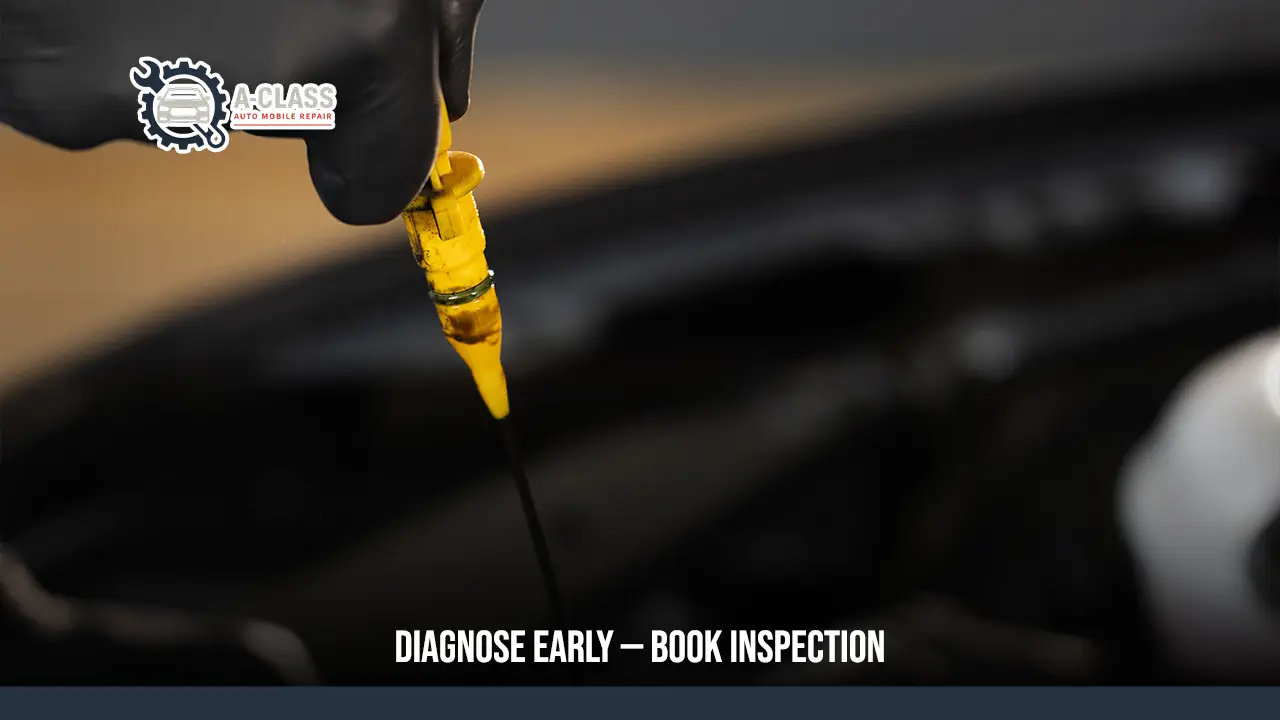
3. Dropping oil levels on the dipstick
- You find yourself pouring in a fresh quart of oil between your regular maintenance intervals.
- The level keeps going down, yet your parking spot remains completely clean and stain-free.
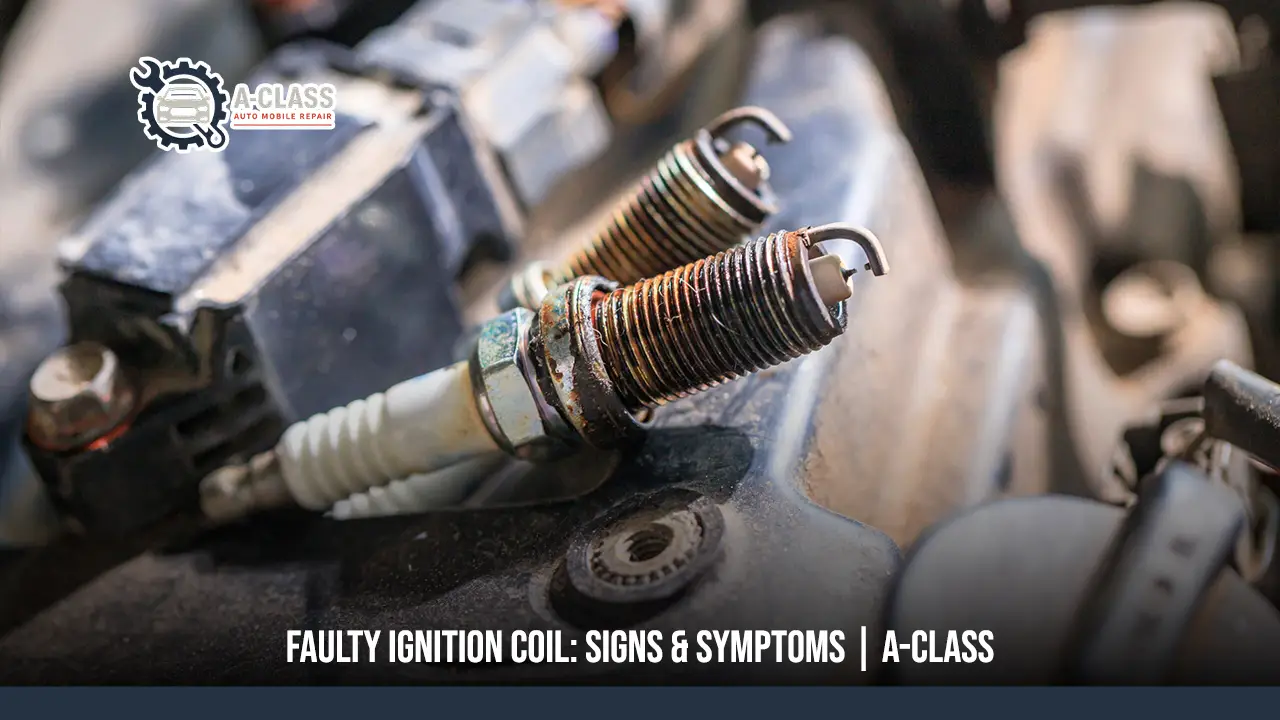
4. Fouled spark plugs
- When pulling the spark plugs, you notice the tips are coated in a dark, greasy, black residue.
- This oily buildup leads to rough idling, misfires, and a jerky driving experience.
5. Noticeable loss of power
- The car feels unusually heavy, struggling to get up to speed or tackle steep hills.
- Your gas pedal feels less responsive and muffled because the engine isn’t combusting efficiently.
6. Worsening gas mileage
- You are making trips to the gas station much more frequently despite driving your usual daily route.
- Burning oil messes with the air-fuel ratio, forcing the engine to work harder and drink more fuel.
7. The dashboard oil light turning on
- That little red oil can symbol starts flickering or stays solidly lit while you are driving.
- This is a critical warning that oil pressure has dropped to a dangerous level, starving the engine’s moving parts.
Read More: top 10 low maintenance car brands
Is burning oil dangerous for the engine?
Beyond the annoyance of constant top-ups, ignoring why is my car burning oil triggers a chain reaction of catastrophic internal failures:
Catalytic converter meltdown
- Engine oil contains heavy anti-wear additives like zinc and phosphorus (ZDDP).
- When burned, these metallic compounds coat the converter’s internal honeycomb structure.
- This chokes the exhaust flow and permanently ruins a highly expensive emissions component.
Low-Speed Pre-Ignition (LSPI) damage
- In modern turbocharged engines, vaporized oil drastically lowers the fuel’s octane rating.
- This causes the mixture to detonate prematurely before the spark plug even fires.
- The resulting violent shockwave can easily shatter piston ring lands or bend connecting rods.
Severe carbon packing in GDI engines
- Gasoline Direct Injection (GDI) engines lack the traditional fuel wash over intake valves.
- Oily vapors from a faulty PCV system bake directly onto these dry, scorching hot valves.
- Over time, this forms rock-hard carbon deposits that destroy engine compression and restrict airflow.
Oxygen sensor blinding
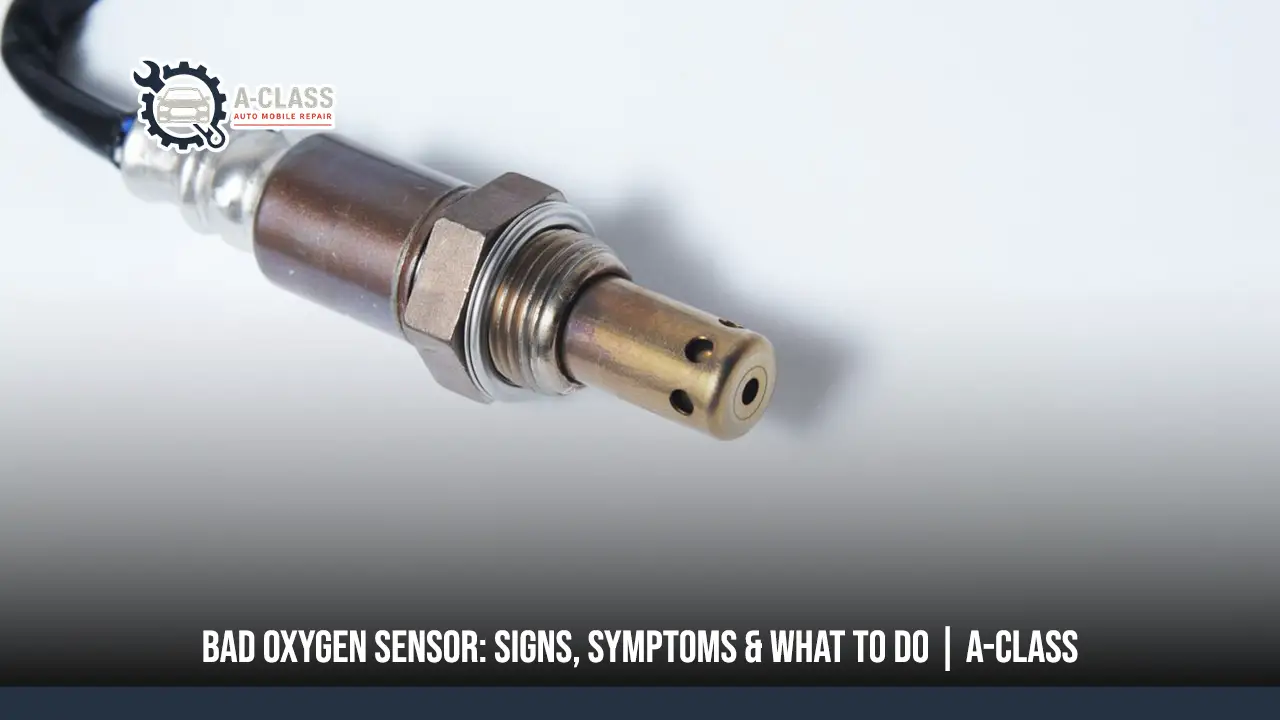
- Thick, burnt oil ash coats the sensitive tips of your exhaust O2 sensors.
- This blinds the sensors to actual oxygen levels, tricking the computer into running rich.
- The engine then dumps excess fuel, ruining your gas mileage and accelerating engine wear, and increasing the risk of a breakdown that requires roadside assistance.
How to diagnose oil burning problems
To accurately pinpoint internal engine oil problems without a complete engine teardown, professionals rely on these advanced diagnostic tests:
The cylinder leak-down test
- This test pumps highly compressed air into the cylinder while it sits at top dead center.
- Hearing air hiss out of the oil filler cap directly indicates compromised, leaking piston rings.
- Hearing air escape from the exhaust tailpipe points to warped or failing exhaust valves.
Borescope inspection for “Piston Wash”
- Mechanics thread a tiny, high-definition camera down the spark plug tube to examine the piston crown.
- They specifically look for unusually shiny, clean edges on an otherwise dark, carbon-coated piston.
- This clean edge is called “piston wash,” proving raw oil is slipping past the rings and physically washing the carbon away.
Intake manifold vacuum testing
- A healthy engine generates a perfectly steady vacuum pressure during idle.
- Hooking a gauge to the intake manifold reveals fluctuating needles if the valve guides are worn out.
- It also exposes a stuck PCV system that is aggressively sucking oil vapor straight from the crankcase.
Forensic spark plug analysis
- Pulling a spark plug offers an immediate look into the health of the combustion chamber.
- If you are performing a routine oil change at home Humble TX, finding wet liquid oil on the threads usually points to a simpler top-end leak, like a valve cover gasket.
- However, a thick, yellowish-white ashy crust on the center electrode confirms the engine is actively incinerating oil.

Need a fast and reliable mobile mechanic in Houston Texas? A-Class Auto offers 24/7 mobile auto repair with 47+ expert mechanics & 8+ years of experience. Call now!
Call NowSolutions to reduce oil consumption
Once you definitively diagnose why is my car burning oil, you can tackle the root mechanical cause to drastically lower your engine oil consumption.
Upgrading the PCV system with a catch can
- Do not just blindly replace the PCV valve; inspect the entire routing of the vacuum hoses for hard blockages.
- Installing a high-quality aftermarket oil catch can physically intercepts oil vapors before they reach the intake manifold.
- This keeps GDI intake valves spotless and permanently stops the engine from drinking its own oily blow-by.
Performing a piston ring soak treatment
- If stuck oil control rings are the culprit, mechanics pour a specialized heavy-duty solvent (like B-12 Chemtool) directly down the spark plug holes.
- Letting this aggressive solvent soak overnight dissolves the baked-on carbon that is freezing the rings in place.
- This instantly restores the ring’s outward tension against the cylinder wall, saving you from a massive engine rebuild bill.
Switching to High-Mileage Synthetic Oil
- These specific oil formulations contain heavy doses of seal conditioners and seal-swelling chemical agents.
- They actively rejuvenate hardened, brittle valve stem seals, making the rubber soft and pliable again.
- They also utilize a thicker base oil film to bridge the physical gap in slightly worn, high-mileage cylinder walls.
Replacing valve stem seals (Without pulling the head)
- Advanced technicians can swap out leaking valve seals while the engine block remains fully assembled in the car.
- They pump compressed air into the spark plug hole to hold the valves up, then use a specialized overhead spring compressor.
- This entirely fixes top-end oil burning at a fraction of the labor cost of a traditional cylinder head removal.
When to see a mechanic for oil burning
If basic fixes fail and you are still wondering why is my car burning oil, it is time to hand the keys to a master technician.
Severe blow-by pressure popping the dipstick
- If the oil dipstick physically blows out of its tube while driving, the internal crankcase pressure is critically high.
- This means the piston rings are completely shattered, allowing raw combustion pressure to pressurize the oil pan.
Coolant and oil cross-contamination
- If your oil looks like a thick, frothy chocolate milkshake on the dipstick, the burning is paired with a blown head gasket.
- This requires an immediate, massive engine teardown to check the aluminum block for severe warping or cracking.
Continuous heavy blue smoke under load
- A tiny puff on cold startup is one thing, but laying a continuous smokescreen on the highway indicates total catastrophic failure.
- The engine is likely suffering from deeply scored cylinder walls that demand a full machine shop rebuild or a complete engine swap.
If you notice any of these extreme symptoms, don’t wait—search for a reliable mechanic shop near me immediately to prevent a total engine seizure.
Don’t Wait Until It’s Too Late
If you’re still asking why is my car burning oil, don’t ignore it. Oil burning isn’t just an inconvenience, it’s often an early warning sign of serious internal engine damage that can turn into a costly repair if left unchecked.
Every mile you drive without diagnosing the issue could mean:
- A damaged catalytic converter.
- Loss of engine compression.
- Or even a complete engine rebuild.
At A-Class Auto, we don’t guess, we diagnose. Using advanced diagnostic tools like leak-down testing and internal borescope inspections, our certified technicians pinpoint the exact cause before recommending any repair.
Protect your engine. Protect your investment.
Schedule your inspection today at A-Class Auto and let our experts restore your vehicle’s performance with precision and care.
Frequently Asked Questions
Why does my car burn oil but not leak?
The oil is escaping internally past failing piston rings or valve seals straight into the fiercely hot combustion chamber.
It incinerates instantly alongside the gasoline and exits as invisible exhaust gas, resulting in a frustrating oil loss no leak situation.
Is it normal for older cars to burn oil?
Yes, as internal metal components endure hundreds of thousands of extreme heat cycles, factory tolerances naturally loosen.
This microscopic physical wear creates larger clearances between moving parts, leading to unavoidable, steady engine oil consumption over the years.
How much oil burning is acceptable?
Many modern automakers controversially claim in their manuals that burning one quart of oil every 1,000 miles is perfectly within spec.
However, if your baseline consumption suddenly spikes beyond this rate, you have every right to ask why is my car burning oil and investigate deeply.
Does burning oil damage the engine?
Absolutely; chronic oil starvation quickly destroys the main bearings, while the resulting abrasive carbon ash heavily scores the cylinder walls.
Ignoring the root cause of why is my car burning oil guarantees a highly expensive, catastrophic engine failure down the road.