Oil is the lifeblood of any vehicle engine. It lubricates moving parts, reduces friction, helps regulate temperature, and protects internal components from excessive wear. When a car leaking oil becomes noticeable, it is not just a minor inconvenience—it is often a warning sign that something inside the engine or related systems needs attention. Ignoring an engine oil leak can lead to serious mechanical problems, costly repairs, and even complete engine failure.
What Does It Mean When a Car Is Leaking Oil
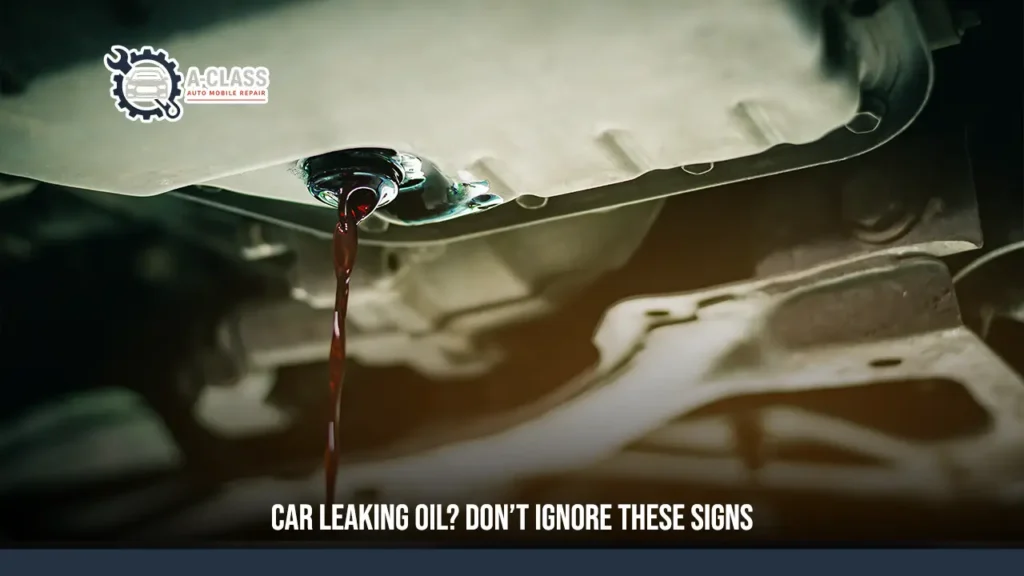
When a car leaking oil is observed, it usually means that engine oil is escaping from a sealed system designed to keep it contained. Modern engines rely on gaskets, seals, and tightly fitted components to prevent oil from leaking. Over time, these parts can wear out, crack, or loosen, allowing oil to seep out.
Oil leaking under car conditions can range from a few drops on the driveway to a steady drip that leaves noticeable puddles. In some cases, the leak may only occur while the engine is running or when the vehicle is parked after driving. The severity of the leak often depends on its location and cause.
Car leaking oil does not always mean immediate danger, but it should never be ignored. Even small leaks can gradually lower oil levels, reducing lubrication and increasing friction inside the engine. Over time, this can cause overheating, accelerated wear, and internal damage.
Common Causes of Car Oil Leaks
Understanding car oil leak causes is the first step toward proper oil leak repair. Oil leaks usually occur because of aging components, poor maintenance, or physical damage.
Worn or Damaged Gaskets and Seals
Gaskets and seals are designed to prevent oil from escaping between engine components. Over time, exposure to heat, pressure, and oil itself can cause them to harden, shrink, or crack. Valve cover gaskets and crankshaft seals are common failure points.
Oil Pan Leak
An oil pan leak is one of the most common reasons for oil leaking under car conditions. The oil pan sits at the bottom of the engine and is vulnerable to damage from road debris, potholes, or speed bumps. Even a small crack or a loose drain plug can cause oil to leak.
Loose or Improperly Installed Oil Filter
After an oil change, a loose or incorrectly installed oil filter can cause oil to leak while the engine is running. In some cases, a damaged filter gasket may also be responsible.
Worn Oil Drain Plug or Washer
Car leaking oil drain plug seals the opening at the bottom of the oil pan. If the plug is stripped, overtightened, or missing its washer, oil can slowly seep out, timely car parts replacement is essential to prevent further oil loss and potential engine damage.
High Engine Pressure
Excessive engine pressure, often caused by clogged ventilation systems, can force oil past seals and gaskets. This type of engine oil leak may appear in multiple locations.
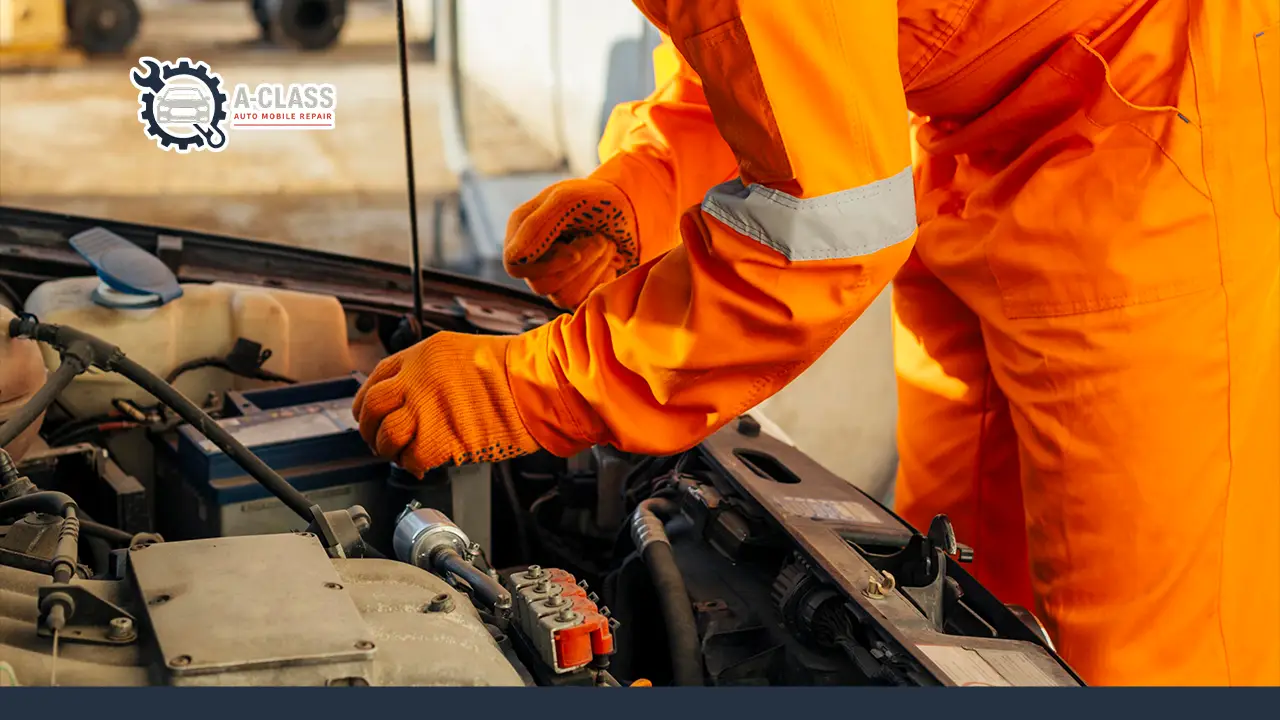
Signs Your Car Is Leaking Oil
Recognizing the early signs of a car leaking oil can prevent more serious problems later.
Common warning signs that Car Leaking Oil include:
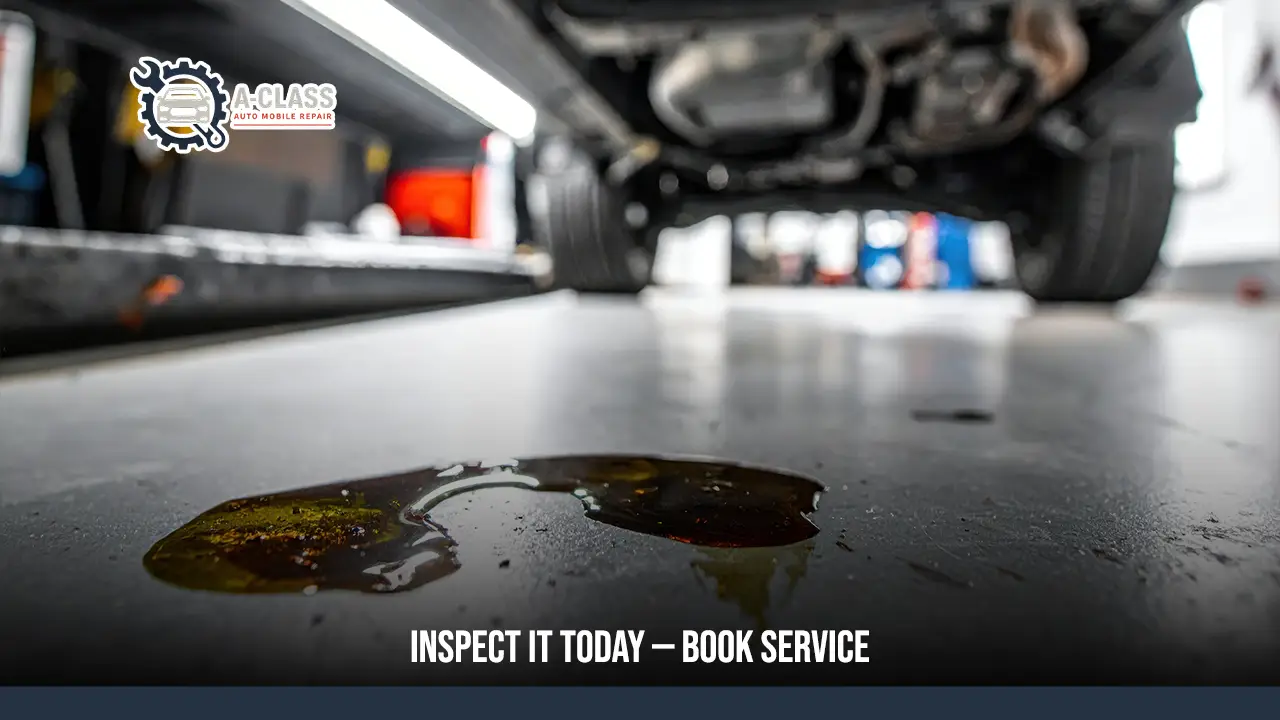
- Dark brown or black puddles under the vehicle
- Burning oil smell, especially after driving
- Smoke coming from the engine bay
- Low oil level warning light on the dashboard
- Oil stains on engine components
- Greasy or wet areas under the hood
Oil leaking under car surfaces may be easier to notice after parking overnight. If you regularly see spots forming beneath your vehicle, it is important to investigate further especially if you’re searching for a mechanic shop near me to diagnose and fix the issue quickly.
How to Identify Where the Oil Leak Is Coming From
Identifying the source of an engine oil leak can be challenging, especially since oil can spread across engine components as the car moves.
Visual Inspection
Start by checking the area under the hood. Look for wet or greasy spots around the valve cover, oil filter, and oil pan. Fresh oil usually appears shiny and dark.
Check Under the Car
If Car Leaking Oil under car conditions are present, examine where the oil is collecting. The position of the puddle can give clues about the source.
Clean and Recheck
Cleaning the engine with a degreaser can help reveal the exact location of the leak. After cleaning, drive the car briefly and inspect again.
Monitor Oil Levels
Frequent drops in oil levels without visible smoke often indicate an external oil leak rather than oil burning inside the engine.
How Serious Is an Engine Oil Leak
The seriousness of an engine oil leak depends on its size, location, and how quickly oil is lost.
Small leaks may not pose an immediate threat, but they can worsen over time. Larger leaks can cause rapid oil loss, leading to insufficient lubrication. Without enough oil, engine components can overheat and wear out quickly.
In severe cases, a car leaking oil can lead to:
- Engine overheating
- Increased friction and wear
- Damage to engine bearings
- Complete engine failure
Oil leaks can also create safety hazards if oil drips onto hot engine parts or the exhaust system.

Need a fast and reliable mobile mechanic in Houston Texas? A-Class Auto offers 24/7 mobile auto repair with 47+ expert mechanics & 8+ years of experience. Call now!
Call NowTemporary Fixes for Oil Leaks
Temporary solutions can help reduce oil loss until proper car leaking oil leak repair is performed. These fixes should not replace professional repairs but may be useful in emergencies.
Use Engine Oil Leak Additives
Some additives are designed to soften seals and reduce small leaks. These products may help with minor gasket leaks but are not effective for damaged components.
Tighten Loose Components
If the oil filter or drain plug is loose, tightening it properly may stop the leak.
Use Temporary Sealants
Certain sealants can temporarily slow leaks from gaskets or oil pan leak issues. These should only be used as short-term measures.
Read more: How to check oil level in car
When to See a Mechanic for an Oil Leak
A mobile mechanic in Houston should inspect your vehicle if:
- car leaking oil under car surfaces continues despite topping up oil
- You notice burning smells or smoke
- Oil levels drop rapidly
- The leak is coming from hard-to-reach engine areas
Professional diagnosis ensures that the correct repair is performed and prevents further damage.
Cost to Fix a Car Oil Leak
The cost of oil leak repair varies depending on the cause and severity of the problem.
Minor repairs such as replacing a drain plug or oil filter are relatively inexpensive. More complex repairs involving gasket reseal or seals require more labor and higher costs.
Factors affecting repair cost include:
- Location of the engine oil leak
- Type of vehicle and engine design
- Labor time required
- Replacement parts needed
Addressing leaks early usually results in lower repair costs.
How to Prevent Oil Leaks in Your Car
Preventive maintenance plays a major role in avoiding a car leaking oil.
Helpful prevention tips include:
- Regular oil changes using the correct oil type
- Inspecting seals and gaskets during routine maintenance
- Avoiding rough driving conditions when possible
- Addressing small leaks before they worsen
- Keeping engine components clean
Consistent care can significantly reduce the risk of oil leaking under car conditions.
Frequently Asked Questions
What causes a car to leak oil?
Car oil leak causes include worn gaskets, oil pan leak issues, loose oil filters, damaged seals, and excessive engine pressure. Aging components are the most common reason.
Can I drive my car if it’s leaking oil?
Driving with an engine oil leak depends on the severity. Small leaks may allow short trips, but continuous driving can lead to low oil levels and engine damage.
How do I know if the leak is engine oil?
Engine oil is usually dark brown or black and has a slippery texture. Checking the oil level and observing oil leaking under car areas can help confirm it.
Is an oil leak expensive to fix?
Some oil leak repair jobs are inexpensive, while others can be costly depending on the location and labor required. Early repairs are usually more affordable.
Can oil leaks cause engine failure?
Yes, untreated oil leaks can result in insufficient lubrication, overheating, and internal damage, which may ultimately cause engine failure.